

More news on this day
Travelers across the United States faced another day of cascading disruption on April 3 as Denver International Airport recorded 323 delayed departures and 15 cancellations, snarling operations for Southwest, SkyWest, United and other carriers on routes linking Denver with Chicago, Atlanta, Los Angeles and additional major hubs.
Get the latest news straight to your inbox!
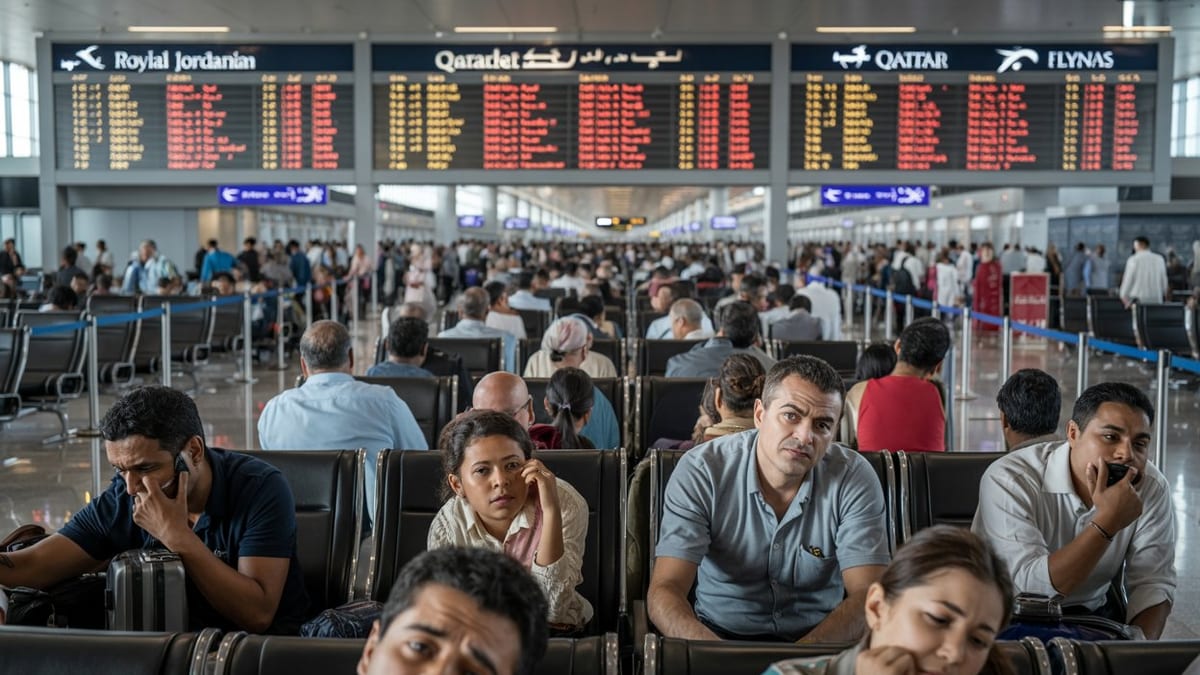
Denver Becomes Focal Point of Nationwide Disruptions
Publicly available aviation tracking data for April 3 indicates that Denver International Airport ranked among the most heavily affected U.S. airports, with 323 delayed flights and 15 cancellations logged over the course of the day. The figures reflect disruptions across both departures and arrivals, illustrating how a single airport’s operational bottlenecks can reverberate through the broader domestic network.
The disruption volume at Denver was significant when set against typical daily activity at the airport, which consistently ranks as one of the busiest in the country by passenger throughput. Even a modest percentage of flights running late can quickly translate into hours of additional waiting time, missed connections and rebookings for thousands of passengers moving through the hub.
Operational performance reports suggest that delays at Denver were concentrated during peak travel periods, when traffic levels are already near capacity and turnaround windows are tight. Once those early waves were affected, knock-on delays accumulated throughout the day as aircraft and crews cycled through subsequent legs.
Industry analyses published in recent weeks note that the U.S. system has been especially vulnerable in early 2026, with a series of winter and early spring storms and infrastructure issues amplifying the impact of any localized problem. The latest wave of disruptions at Denver therefore landed in a network that was already strained from repeated irregular operations days.
Southwest, SkyWest, United and Others See Schedules Strain
Southwest, SkyWest and United were among the carriers most exposed to the April 3 disruptions, reflecting their substantial operations at Denver and on key routes to Chicago, Atlanta and Los Angeles. According to published coverage drawing on flight-tracking databases, Southwest in particular has faced elevated delay volumes across 2026, and the Denver event added another spike to an already challenging period for the airline.
United’s extensive connecting network through Denver meant that delays there affected not only point-to-point travelers, but also passengers using the airport as a transfer hub. When an early departure from Denver was pushed back, the inbound aircraft often arrived late at its next city, forcing schedule adjustments on subsequent flights on that aircraft’s rotation.
SkyWest, which operates many regional flights under major airline brands, was similarly affected as regional connections into and out of Denver fell behind schedule. This had immediate consequences for passengers traveling to smaller markets that depend on regional feeders to connect to long-haul and cross-country services.
Other carriers with smaller but still significant footprints at Denver also reported scattered delays and cancellations. Because multiple airlines share common runways, taxiways and airspace, any slowdown in airport throughput tends to be distributed across carriers, even when underlying issues may be concentrated within a particular operation.
Ripple Effects Hit Chicago, Atlanta, Los Angeles and Beyond
The impact of Denver’s 323 delays and 15 cancellations extended far beyond Colorado. Flight status data and media summaries for April 3 show that major hubs including Chicago, Atlanta and Los Angeles experienced secondary delays as aircraft arriving from Denver missed their scheduled slots or required additional time on the ground.
Chicago’s airports, which have already seen weather-related disruptions in recent weeks, faced additional pressure as delayed Denver-originating flights squeezed into already busy arrival banks. This created longer taxi times and, in some cases, departure delays on Chicago-based flights waiting for gates or connecting passengers.
Los Angeles and Atlanta, two of the nation’s largest connecting hubs, reported similar knock-on effects. Aircraft arriving late from Denver often turned around behind schedule, leading to rolling delays on subsequent flights to other cities. Even routes that did not touch Denver directly could be affected if their assigned aircraft had previously cycled through the airport earlier in the day.
These ripple effects highlight the interconnected nature of the U.S. aviation system. A disruption at one core node such as Denver quickly propagates across the network, particularly when it coincides with wider patterns of unsettled weather and already strained airline schedules.
Weather, Infrastructure and Crew Constraints Combine
Reports on early 2026 operations describe a complex blend of contributing factors behind recurrent U.S. flight delays, with Denver’s April 3 disruptions fitting into a broader pattern. Recent severe winter and spring storms across North America have forced airports and airlines to repeatedly slow or halt operations, leaving aircraft and crews displaced and schedules more fragile than usual.
At Denver, operational summaries and regional weather information point to intermittent adverse conditions that required spacing out arrivals and departures at various points in the day. Even when skies began to clear, backlogs in deicing, gate availability and ramp traffic continued to affect turnaround times.
Infrastructure and staffing constraints have also played a role. As carriers run near peak capacity on busy travel days, there is limited slack in the system to absorb delay shocks. If crews reach maximum duty time limits after earlier disruptions, flights can face additional delays or cancellations while replacements are sourced.
Industry commentators note that while some delays are unavoidable in periods of challenging weather, the cascading nature of April’s disruptions suggests that ongoing investments in infrastructure, technology and staffing will be critical to improving resilience at large hubs such as Denver.
Passengers Confront Long Waits and Limited Options
For passengers, the operational realities translated into long lines, crowded gate areas and limited same-day rebooking options on April 3. With Denver serving as a key connecting point for both domestic and international journeys, even short delays often led to missed connections and overnight stays for travelers relying on tight itineraries.
Travel advisories published by consumer travel outlets in recent days have urged passengers flying through Denver and other major hubs to allow extra connection time, monitor flight status frequently and prepare contingency plans. The pattern observed on April 3 suggests that travelers with early morning departures may have the best chance of departing on time before delay chains build through the day.
Passenger accounts shared across social media and travel forums described hours-long waits for customer service and difficulty securing hotel rooms near major airports, as multiple carriers simultaneously rebooked disrupted customers. Some travelers opted to switch to ground transport for shorter regional journeys once it became clear that evening departures would face continued delays.
With further unsettled spring weather expected across portions of the United States, published analyses indicate that Denver and other high-traffic hubs may continue to see intermittent operational stress. For now, the 323 delays and 15 cancellations recorded at Denver on April 3 stand as a clear indication of how quickly conditions at a single airport can affect passengers nationwide.