

More news on this day
Travelers across the United States are facing another wave of flight disruption after Denver International Airport reported more than 320 delays and 15 cancellations in a single day, snarling operations for Southwest, SkyWest, United and other carriers and sending knock-on effects through major hubs including Chicago, Atlanta and Los Angeles.
Get the latest news straight to your inbox!
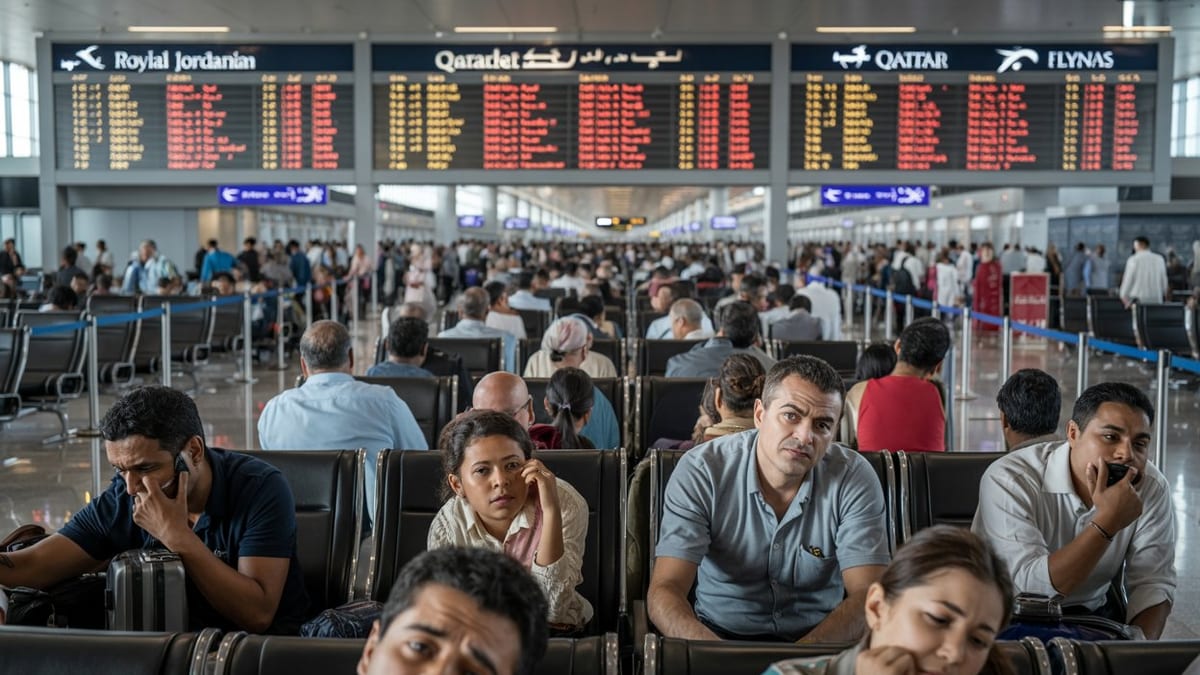
Operational Snarls Mount At Denver International
Publicly available flight tracking data for early April indicates that Denver International Airport logged roughly 323 delayed departures and arrivals along with at least 15 cancelled flights in a single 24 hour period, putting strain on one of the country’s busiest connecting hubs. The disruptions affected a mix of mainline and regional operations, with Southwest, SkyWest and United among the most impacted carriers.
The high volume of late departures and arrivals at Denver quickly reduced available aircraft and crew across carriers’ networks. Because Denver functions as a central transfer point linking the Mountain West with both coasts and the Midwest, delays on even a handful of departures rapidly spread into a larger operational challenge. Aircraft scheduled to continue onward to other cities arrived late, compressing already tight turnaround times and increasing the risk of further schedule slippage.
Reports from national flight-status aggregators show that the delays were spread across the day rather than concentrated in a single peak window. That pattern points to a combination of contributing factors, from weather-related air traffic management constraints to routine mechanical checks and crew reassignments, rather than a single isolated incident.
Historic performance data compiled by federal transportation analysts has highlighted Denver among the large U.S. airports that can experience elevated delay levels during periods of heavy traffic or unsettled weather, reflecting its role as a high-altitude, high-volume connecting hub where minor disruptions can escalate quickly.
Southwest, SkyWest And United Face Network-Wide Strain
Carriers most exposed to Denver’s connecting traffic bore the brunt of the latest disruption wave. According to published coverage drawing on nationwide flight tallies, United and Southwest have each seen elevated delay and cancellation counts during the early April travel period, while SkyWest’s regional operations have also experienced widespread schedule pressures across multiple hubs.
Southwest, which relies heavily on point-to-point flying instead of a traditional hub-and-spoke model, is especially vulnerable when a major station such as Denver encounters persistent delays. When one aircraft runs late on a morning departure from Denver, the same airframe may operate several more segments that day, spreading the disruption onward to cities including Chicago, Los Angeles and smaller regional markets.
SkyWest, operating regional flights for larger network airlines, has similarly seen large numbers of delayed and cancelled services in recent days, according to aggregated flight-status counts. Because many SkyWest-operated flights feed into or out of Denver, Chicago and Los Angeles under major-carrier brands, delays on these regional segments can cause travelers to misconnect with longer-haul services.
United, which maintains a significant hub operation at Denver, faces a different but related type of strain. When arriving flights are held in airborne queues or slowed due to airfield or airspace constraints, aircraft and crews can end up out of position for subsequent departures, leading to rolling pushback delays and gate conflicts throughout the day.
Ripple Effects Hit Chicago, Atlanta, Los Angeles And Beyond
The consequences of Denver’s crowded departure boards were felt far beyond Colorado. Nationwide tracking of delays on key travel days in early April shows hundreds of disrupted flights at major hubs including Chicago, Atlanta and Los Angeles, many of them operated by the same carriers struggling at Denver.
Chicago’s dual-airport system, with heavy operations by United, American and Southwest, has seen frequent holds and extended taxi times during this period, according to recent network-wide disruption summaries. Flights linking Denver with Chicago O’Hare and Midway have been among those subject to delays or schedule changes, leaving some travelers stranded between connecting legs.
Atlanta, the nation’s busiest passenger airport, has also featured in disruption tallies as cascading delays from other regions intersect with the airport’s already dense schedule. Services connecting Denver and Atlanta, particularly those feeding into broader domestic and international networks, have faced tight connection windows and occasional missed onward flights when west-to-east arrivals landed behind schedule.
On the West Coast, Los Angeles International has registered its own spikes in delayed and cancelled flights as disrupted aircraft rotations from Denver, Chicago and other hubs arrive late or require rescheduling. Travel columns and consumer reports describe passengers on multi-leg journeys finding themselves rebooked through alternate airports or facing overnight stays when evening departures to or from Los Angeles missed their planned slots.
Weather, Congestion And Staffing Under Scrutiny
While the latest wave of disruption does not appear tied to a single dramatic weather system, aviation analysts point to a familiar blend of contributing elements. Spring’s rapidly changing conditions on the Front Range can trigger short-notice air traffic control programs around Denver, including arrival and departure rate reductions that slow the flow of traffic into and out of the region.
At the same time, national reporting on airline performance in recent years has underscored the role of staffing and network complexity. When crew schedules are built tightly around peak travel periods, even modest delays can push pilots or flight attendants beyond regulated duty limits, forcing carriers to swap or reassign crews and occasionally cancel flights outright when no legal replacement is available.
Airport congestion also plays a part. With Denver, Chicago, Atlanta and Los Angeles all ranking among the busiest airports in the country by passenger volume, gate availability and runway capacity can become pinch points during any irregular operations event. Once departure queues grow, recovery can take many hours, and the impact may not be fully felt until later in the day when evening banks of flights begin to push off the gate.
Industry observers note that the broader U.S. airline system is still operating near capacity on many routes, leaving carriers with limited spare aircraft and crew to absorb disruptions. This environment increases the likelihood that a localized problem, such as a congested afternoon at Denver, will generate national repercussions.
What Travelers Can Expect In The Days Ahead
For passengers booked to travel through Denver and other major hubs in the coming days, publicly available operational forecasts suggest the possibility of continued uneven performance, particularly during afternoon and evening peaks. Airlines typically work through backlogs over several schedule cycles, meaning that aircraft and crew imbalances created on one heavy disruption day can surface again as rolling delays later in the week.
Consumer travel advisories from major outlets encourage flyers with connections through Denver, Chicago, Atlanta or Los Angeles to allow additional time between flights where possible, especially on itineraries involving different carriers or separate tickets. Travelers on tightly timed business or family trips are being urged to monitor flight-status tools closely on the day of departure and consider earlier departures when schedules permit.
Analysts also highlight the continuing importance of flexible ticketing policies during periods of irregular operations. In previous disruption episodes, many airlines have offered waivers permitting passengers to move their travel within a limited window without additional fees when severe delays or weather-related air traffic programs affected specific hubs. Similar measures may be deployed again if conditions at Denver and other key airports worsen or persist.
With the busy spring and summer travel seasons approaching, the latest spate of disruptions at Denver serves as a reminder that the U.S. air travel system remains sensitive to localized shocks. For now, passengers across the country are once again being asked to navigate packed terminals, shifting departure times and uncertain arrival plans as airlines work to stabilize their schedules.