

More news on this day
Departures and arrivals at Denver International Airport were slowly recovering on Sunday after a high-wind ground stop was lifted, leaving airlines working through hours of residual delays and scattered cancellations across the national network.
Get the latest news straight to your inbox!
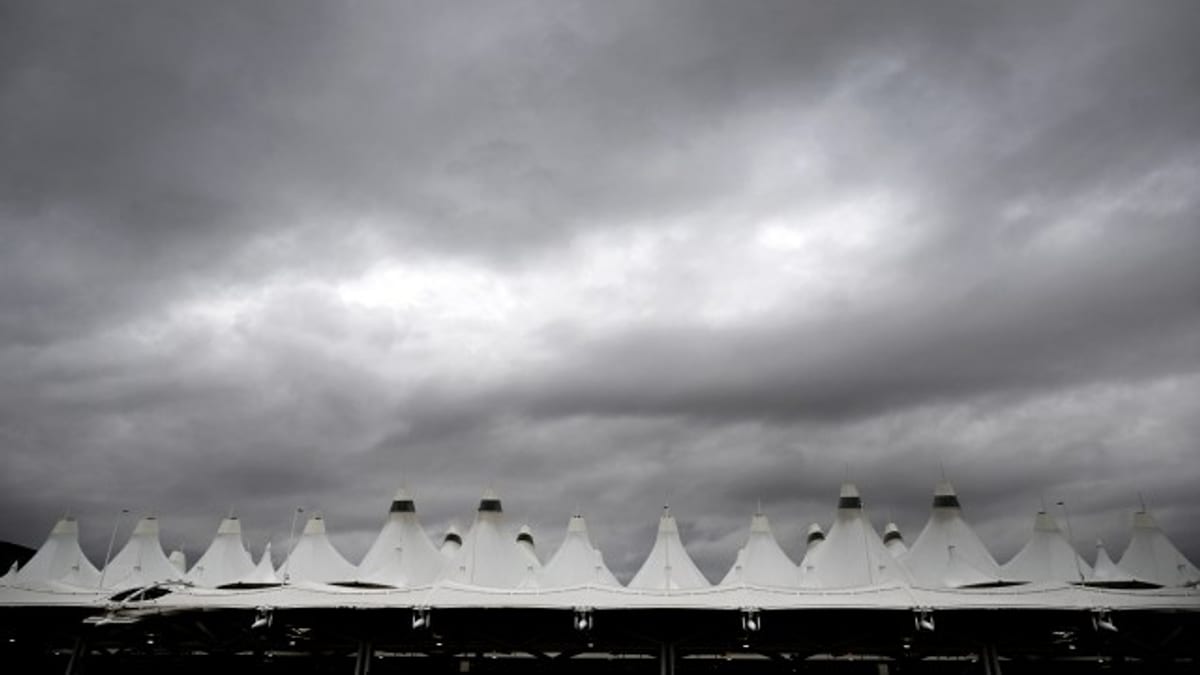
High Winds Trigger Temporary Halt to Denver Operations
Publicly available data from the Federal Aviation Administration’s real-time airport status page showed Denver International Airport placed under a ground stop as strong winds affected safe arrival and departure rates. The restriction limited inbound traffic from multiple regions while departure flows were significantly reduced, creating a bottleneck at one of the country’s busiest connecting hubs.
The ground stop was lifted once wind conditions eased and runway usage could be adjusted, but many flights had already been held at origin airports or forced into extended holding patterns. Airlines then needed to reshuffle departure queues, crew schedules, and aircraft rotations, turning what began as a short-term safety measure into a broader schedule disruption.
Meteorological reporting for the Denver area has highlighted an active pattern of gusty conditions in recent weeks, with high-altitude terrain and rapidly shifting weather continuing to challenge operations. The latest episode followed similar wind-related flow restrictions and ground delay programs implemented earlier in the season as storm systems crossed the central Rockies.
Observers note that high winds can be especially disruptive at Denver because of its expansive airfield layout and exposure on the plains, which can lead to changing crosswinds and wind shear. When those conditions exceed specific thresholds for safe operations on key runways, air traffic managers often resort to sharply limiting movements until the environment stabilizes.
Ripple Effects on Departures, Arrivals and Connections
According to flight-tracking dashboards and airline status pages, the wind-driven pause translated into a significant backlog of delayed flights, both for aircraft already on the ground at Denver and for services scheduled to arrive from across the United States. Once the ground stop ended, departures began to move again, but many travelers still faced waits of an hour or more.
Published same-day tallies from industry-focused outlets indicated that Denver ranked among the country’s higher-delay airports during the episode, with dozens of affected services on major carriers including United, Southwest and Frontier. Some regional routes endured extended departure holds as carriers prioritized long-haul and banked connecting flights to restore wider network flows.
Because Denver serves as a strategic connecting point between East and West, the disruption had an outsized effect on onward itineraries. Missed connections and aircraft out of position fed into later waves of delays on routes linking Denver with hubs such as Chicago, Los Angeles, San Francisco and New York, as well as key regional destinations in the Mountain West and Great Plains.
These knock-on effects coincided with a broader period of unsettled weather across multiple U.S. regions, where severe storms and high winds have contributed to cumulative system strain. Recent analyses of national delay statistics for early April show thousands of flights running behind schedule on peak days, with Denver frequently listed among the affected airports.
Ground Stops, Ground Delays and Why They Matter
Public FAA guidance explains that a ground stop is a traffic management initiative used when conditions at a destination airport or within a segment of airspace deteriorate to the point where additional inbound flights cannot be safely or efficiently accommodated. During a stop, affected departures are held at their origin airports until the restriction is modified or lifted.
By contrast, a ground delay program allows aircraft to depart but spaces them out over time through controlled departure slots, typically in response to reduced arrival capacity from weather or runway constraints. Denver has experienced both types of measures in recent years during episodes of snow, thunderstorms and strong winds, particularly in late winter and early spring.
Recent federal planning documents on airport capacity and construction impacts highlight Denver as an airport where even modest reductions in usable runway configurations can quickly amplify delays during peak arrival banks. Once operations slow below planned throughput, queues build rapidly on taxiways and at distant origin airports, and it can take hours to unwind the backlog even after the immediate weather trigger passes.
Analysts note that high-wind scenarios are particularly challenging because they can force rapid shifts in runway usage and approach paths. Air traffic managers may temporarily favor configurations that best align with prevailing winds, which can reduce the overall number of arrivals and departures the airport can safely handle in a given hour.
Ongoing Travel Disruptions Across the U.S. Network
The Denver disruption unfolded against a wider backdrop of unsettled conditions across the U.S. aviation system this week. Recent reports from travel industry news services describe nationwide totals running into the thousands for delayed flights, with high winds, severe storms and lingering system imbalances all contributing to operational challenges.
Published coverage on recent travel days indicates that hubs including Atlanta, Chicago, San Francisco and Las Vegas have also struggled with elevated delay levels as successive weather systems moved across the country. In this environment, any new constraint at a major connecting hub such as Denver can reverberate quickly, especially when airlines are already operating tight schedules and crew rosters.
Observers point out that many of the most disruptive episodes this year have not been tied to single prolonged shutdowns but to clusters of shorter interruptions that collide with peak travel periods. The Denver ground stop fits that pattern, with a relatively brief flow restriction producing outsized ripple effects as already stressed crews, aircraft and airport resources worked to catch up.
Industry analysts expect that volatility to persist through the spring shoulder season, as convective storms, late snow events and high-wind advisories remain common across large parts of the country. That backdrop leaves airlines and travelers little margin for error when sudden constraints arise at weather-sensitive hubs.
What Travelers Moving Through Denver Should Expect
Passenger experiences at Denver on the day of the ground stop varied widely, according to accounts shared on social platforms and in local coverage. Some travelers reported relatively modest schedule changes, while others encountered missed connections, rebooked itineraries or overnight stays when onward flights were no longer viable.
Travel operations specialists generally advise that, during and immediately after a ground stop, travelers should prepare for gate changes, rolling departure estimates and aircraft swaps as airlines adjust their plans in real time. Those conditions appeared to materialize at Denver, where gate queues and crowded concourses were visible in publicly shared images and videos.
Consumer guidance published by travel and aviation outlets continues to emphasize a few recurring strategies for navigating such events. Recommendations typically include enrolling in airline alerts, monitoring flight status tools, and remaining flexible about routing options, including accepting alternate connection points if Denver becomes overly congested.
For now, Denver’s operations have returned to active status, with the latest FAA postings reflecting normal arrival and departure flows under gusty but manageable conditions. Even so, residual delays from the high-wind ground stop are expected to linger into the evening as airlines work to restore aircraft and crew rotations across their networks.