

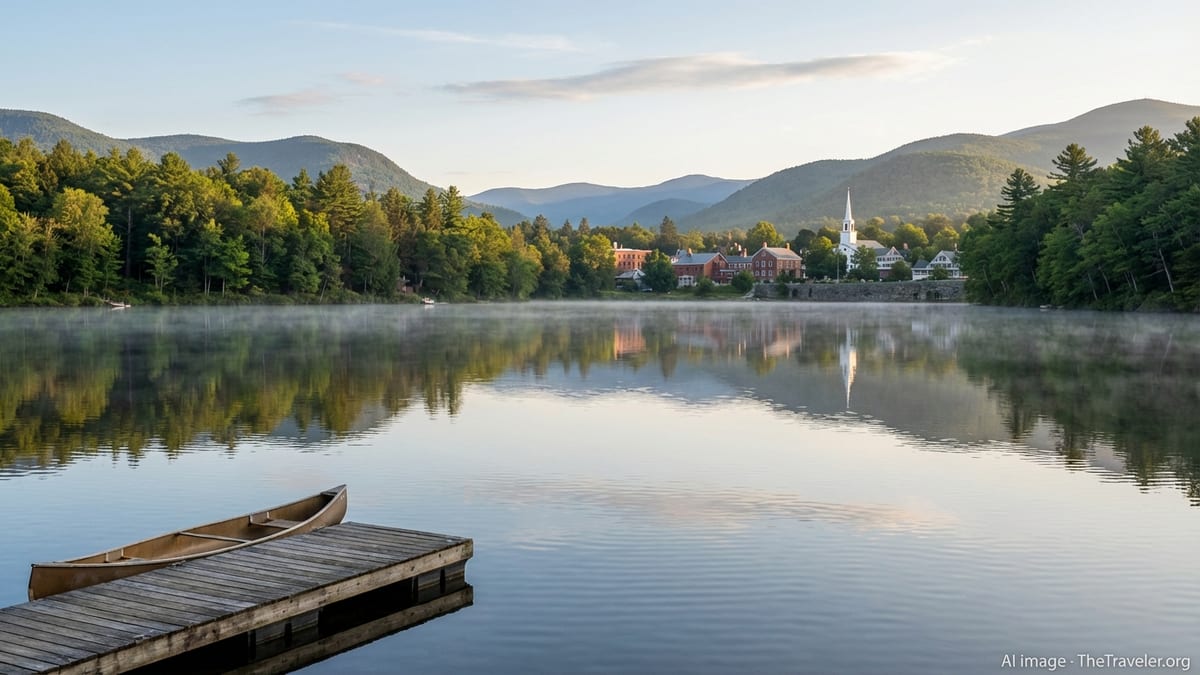
New York State sets a high bar for travelers who crave a mix of mountain air, shimmering lakes, and towns with real historic character. From the Adirondack High Peaks to the Finger Lakes and Hudson Valley river towns, it is a place where you can paddle at sunrise, hike by day, and stroll past 19th‑century brick storefronts at dusk. If you love that blend and are wondering where else in North America offers a similar feel, there are several regions that echo New York’s greatest hits without feeling like carbon copies.
What Makes New York State Such a Powerful Benchmark
To find destinations that feel similar to New York State, it helps to understand what makes the state’s landscapes and communities so distinctive. The Adirondack Park alone covers millions of acres of protected land with hundreds of lakes and peaks that attract hikers, paddlers, and skiers throughout the year. Lake George, Lake Placid, Saranac Lake, and Blue Mountain Lake all pair accessible shorelines with nearby summits, while small communities offer lodges, classic motels, and historic resorts set right on the water.
Outside the Adirondacks, New York’s appeal continues with the rolling vineyards and deep blue waters of the Finger Lakes, as well as Hudson Valley towns that sit between steep river bluffs and preserved 18th and 19th‑century streetscapes. This mix of accessible nature and intact historic cores means travelers can shift from hiking boots to historic walking tours in a single afternoon. It is this balance that many visitors want to replicate when they look beyond New York’s borders.
The destinations that feel most “New York–like” tend to share several traits: a prominent lake or chain of lakes framed by mountains or highlands, a year‑round outdoor culture, and a town center with architecture that tells a real story. None of the places below are identical to New York, but each offers a recognizable combination of scenery, recreation, and history that will feel familiar if you have fallen for the Empire State’s outdoor regions.
New England’s Counterpart: Vermont’s Green Mountains and Lakes
Just across the border, Vermont delivers perhaps the closest overall match to New York’s mountain‑and‑lake personality. The Green Mountains run down the spine of the state, creating a backdrop of rounded peaks that resemble the gentler slopes of the southern Adirondacks and Catskills. Base towns like Stowe and Manchester have grown into year‑round destinations where visitors can ski, hike, bike, or simply wander streets lined with 19th‑century inns, churches, and general stores. The scenery is especially reminiscent of upstate New York in autumn, when maples and birches turn hillsides into bands of orange and red.
Lake Champlain is Vermont’s most obvious parallel to New York’s bigger inland waters. Shared by Vermont and New York, the lake stretches roughly north to south with views to both state’s mountains. On the Vermont side, small communities and rural roads give access to quiet coves, historic farms, and a scattering of state parks. The Champlain Valley also carries deep historical significance, from early Indigenous presence to French and British forts and Revolutionary War skirmishes that involved both shores of the lake.
Smaller Vermont lakes and reservoirs mimic the calmer feel of New York’s Adirondack ponds. You will find modest sandy beaches, dock‑lined shorelines, and simple cottage rentals rather than large scale resorts. Historic town centers, often centered on a single main street, give these areas a gentler, less commercial character. If you appreciate New York’s balance of outdoor intensity and small‑town quiet, Vermont’s lake districts and Green Mountain villages will feel immediately familiar.
New Hampshire’s Lakes Region and the White Mountains
New Hampshire’s Lakes Region, anchored by Lake Winnipesaukee, offers another strong echo of New York’s Adirondack and Finger Lakes landscapes. Winnipesaukee’s long, island‑studded shape, surrounding hills, and classic shoreline villages recall the look and pace of places like Lake George. Smaller lakes and ponds scattered around the region provide sheltered waters for paddling, family swimming, and low‑key cabin stays. There is a similar tradition of long‑running summer camps, marinas, and family‑owned motels that have hosted generations of visitors.
Just to the north, the White Mountains rise more sharply than most New York ranges, but the rhythm of travel feels comparable. Trailheads, scenic byways, tramways, and ski areas draw outdoor travelers in every season. Historic grand hotels, wooden covered bridges, and compact downtowns with brick storefronts lend a sense of continuity with the past. For visitors who love the combination of hiking and heritage in places like Lake Placid or the Catskills, towns such as North Conway, Littleton, and Lincoln feel like natural alternatives.
New Hampshire’s small historic towns often retain 19th‑century churches and civic buildings gathered around central greens, much like the traditional town squares in the Hudson Valley or along New York’s canal corridor. Many of these communities predate large scale tourism and have adapted gradually, which helps preserve their character even as they add new cafes, gear shops, and small museums. The result is a region that feels both practical and picturesque, with lake docks and mountain trailheads only a short drive from walkable, historic cores.
Great Lakes Charm: Michigan’s Northern Lakes and Harbor Towns
Travelers who are drawn to New York’s combination of big water and gentle uplands often find a close match in northern Michigan. The deep blue expanses of Lake Michigan and Lake Huron provide horizons as wide as anything on Lake Ontario, while inland lakes such as Torch Lake and Lake Charlevoix recall the feel of the Finger Lakes or larger Adirondack waters. Forested hills and low ridges roll back from the shoreline, creating viewpoints, orchards, and vineyards that thrive in the moderated climate.
Historic harbor towns around northern Michigan bring the same kind of architecture and civic scale that make places like Skaneateles, Canandaigua, or Hudson so inviting. Communities developed during the 19th‑century shipping, lumber, and railroad booms often still display their original brick commercial blocks, Victorian houses, and waterfront depots. Many have pivoted from industry to tourism, focusing on marinas, waterfront walks, and rehabilitated warehouses that now hold galleries, breweries, and small inns.
The rhythm of life in these towns mirrors what you might experience in upstate New York’s lake regions. Days start on the water, whether that means a paddleboard session, a fishing charter, or a simple lakeside walk, followed by time in town wandering independent bookstores and cafes. Public access is a priority in many communities, with town beaches, piers, and small parks making it easy to enjoy the shoreline without private membership or resort stays. This openness, combined with deeply rooted local history, gives northern Michigan the same approachable, lived‑in feel that travelers appreciate in New York’s lake and river towns.
Mountain West Echoes: Colorado’s Historic High Country Towns
On a map, Colorado’s Rockies sit far from New York, but several high country towns nonetheless capture a similar blend of mountain energy and authentic, older architecture. Former mining communities such as Telluride, Ouray, and Silverton evolved long before modern ski resorts and retain compact historic districts with false‑fronted buildings, brick hotels, and small museums that interpret their 19th‑century past. These streetscapes create a familiar sense of scale and walkability for travelers who love the older downtowns of Lake Placid, Saranac Lake, or Kingston.
What differs, of course, is the drama of the landscape. Colorado’s mountains rise higher and more steeply than New York’s peaks, with jagged ridgelines and alpine basins that bring a wilder edge to day hikes and drives. Yet the overall experience of staying in a real town rather than an isolated resort feels surprisingly similar. You can step from a front porch or cafe directly into a grid of streets, then drive only a few minutes to trailheads, waterfalls, and high passes that feel worlds away.
Colorado’s lake options are often reservoirs or high‑elevation tarns rather than broad, lowland lakes, but they still offer paddling, fishing, and scenic shoreline walks. In resort areas, man‑made lakes sit alongside gondolas and ski runs, while in more traditional mountain valleys, rivers and creeks dominate. If you appreciate New York’s culture of pairing outdoor recreation with festivals, live music, and small museums, you will likely recognize that same mix in Colorado’s more historic mountain communities.
Pacific Northwest Parallels: Washington’s Lakes and Cascades
The Pacific Northwest introduces a different palette of greens and grays, but Washington State in particular offers several destinations that echo New York’s mix of lakes, mountains, and characterful small towns. The North Cascades region hosts deep, dam‑formed lakes carved into steep valleys, where mountains seem to rise almost directly from the water. While the peaks are more rugged and the forests denser than most in New York, the interplay of lake and ridge appeals to similar travelers: hikers, paddlers, and road trippers who prefer basecamps with a sense of community.
Around Puget Sound and in the interior lake districts, older towns retain 19th and early 20th‑century cores that reflect logging, fishing, and railroad history. Many of these communities have preserved their downtown theaters, hotels, and waterfront warehouses, transforming them into arts venues and food‑forward gathering places. Visitors who love the way Hudson River towns have reinvented historic industrial spaces will find comparable stories unfolding in Washington’s ports and lakeside communities.
Washington’s climate, with its cool summers and wet winters, gives lake and mountain travel a distinctly lush feel compared with New York’s sharper seasonal contrasts. Trails can stay green through much of the year, waterfalls run strong, and low clouds often sit against the hills. For those who enjoy New York’s shoulder seasons as much as peak summer, this softer, mistier version of mountain‑and‑water landscapes can be especially appealing.
Cross‑Border Options: Quebec and Ontario’s Lakes and Laurentian Hills
North of the United States border, parts of Quebec and Ontario offer scenery and townscapes that many New York travelers find instantly recognizable. In Quebec, the Laurentian Mountains rise gently north of Montreal, dotted with lakes that have hosted cottage communities and resort hotels for more than a century. The scale of these hills, along with the forest cover and numerous small lakes, feels much like New York’s lower Adirondack ranges, though cultural details shift toward French language, cuisine, and signage.
Ontario’s vast network of lakes, particularly in regions such as Muskoka and the Kawarthas, also recalls New York’s northern vacation belts. Here, rocky shorelines, pine and hardwood forests, and island‑speckled waters create a backdrop similar to the Adirondacks and Thousand Islands. Towns that grew around logging or shipping routes often maintain historic cores with small hotels, train stations, and main streets from the late 19th and early 20th centuries. Many of these communities still rely on a mix of seasonal cottagers and year‑round residents, which keeps daily life grounded even in high summer.
Travelers who love the chance to combine lake time with cultural experiences will appreciate how Canadian towns highlight their history through local museums, heritage centers, and festivals. Architecture ranges from simple wood frame cottages to grand lakeside lodges built in the early days of recreational travel. Together, these details echo the feeling of driving through New York’s North Country or Finger Lakes as you pass farm stands, churches, and clusters of historic houses on the way to the water.
Planning a Trip: How to Choose a New York–Style Destination
When you look at all of these regions together, certain patterns emerge that can help you choose the right New York‑style destination for your travel priorities. If you are after a near‑match to New York’s mix of moderate peaks and mid‑sized lakes, Vermont and New Hampshire sit at the top of the list. Their landscapes, distances, and town sizes are all comparable, and the driving times from many East Coast cities remain manageable. These states are particularly appealing for travelers who want to recreate the experience of an Adirondack or Catskill getaway without retracing the same routes.
If generous expanses of water are more important than high mountains, northern Michigan and the Canadian lake regions deliver a powerful sense of horizon while still offering rolling uplands, forests, and towns with real depth. These are good options for longer trips where you want to settle into one lakeside town and treat it as a base for both on‑the‑water and back‑road exploring. Meanwhile, travelers who are ready for more dramatic elevation but still want intimate, historic town centers might gravitate toward Colorado and Washington, where the mountains rise higher but the human scale at street level can feel very familiar.
Seasonality also plays a role, just as it does in New York. Many of these destinations have distinct high seasons around summer lake time, fall foliage, or winter sports. Shoulder seasons can bring quieter streets and more flexible booking options, especially in towns heavily focused on ski or peak foliage travel. Building in time to simply walk, linger on a public dock, or sit on a bench in a historic square will help these destinations feel less like checklists and more like the lived‑in places that inspire repeat visits.
FAQ
Q1. Which destination feels most similar overall to New York’s Adirondacks?
Many travelers find that Vermont’s Green Mountains and New Hampshire’s White Mountains feel most similar, thanks to their mix of moderate peaks, forested lakes, and compact historic towns.
Q2. Where can I find lake towns outside New York with a similar pace to the Finger Lakes?
Northern Michigan’s harbor towns and Ontario’s cottage country both offer deep blue lakes, rolling hills, and walkable main streets that recall the Finger Lakes’ relaxed atmosphere.
Q3. Are there destinations with historic mountain towns like Lake Placid but bigger peaks?
Several former mining towns in Colorado provide that combination: preserved 19th‑century streetscapes surrounded by much higher, more rugged peaks than you will find in New York.
Q4. What is a good cross‑border option for travelers based in the Northeastern United States?
Quebec’s Laurentian region and nearby lake districts in Ontario are strong options, offering familiar scenery with the added interest of different languages and cultural traditions.
Q5. Which regions outside New York are best if I care most about fall foliage around lakes?
Vermont, New Hampshire, and parts of Quebec are especially known for vivid autumn color, often showcased around lakes and rivers that amplify the reflections.
Q6. Are there New York–style lake and mountain destinations in the Pacific Northwest?
Yes. Areas of Washington State where lakes sit below the Cascades offer that interplay of water and high country, paired with small towns that retain historic cores.
Q7. How do these destinations compare to New York in terms of crowd levels?
Popular spots in all of these regions can feel busy in peak season, but many have quieter shoulder periods in late spring and early fall, similar to New York’s patterns.
Q8. Can I find historic architecture similar to Hudson Valley towns outside New York?
Historic downtowns in parts of New England, the Great Lakes, and Canadian provinces often preserve 19th‑century brick storefronts and civic buildings that echo Hudson Valley streetscapes.
Q9. Which regions are best if I want both lake activities and established hiking trail networks?
New Hampshire’s Lakes Region, Vermont’s interior lakes, northern Michigan, and several parts of Washington all combine accessible lakes with well‑marked trail systems.
Q10. How should I decide between staying in a resort or a historic town center in these areas?
Travelers who value direct access to restaurants, shops, and local events usually prefer historic town centers, while those focused on quiet shoreline time may lean toward lakeside lodges or small resorts.