

More news on this day
Detroit Metropolitan Wayne County Airport is moving passengers through security and onto flights with relatively few disruptions this spring, as the first major wave of spring break and Easter travelers strains airport operations across much of the United States.
Get the latest news straight to your inbox!
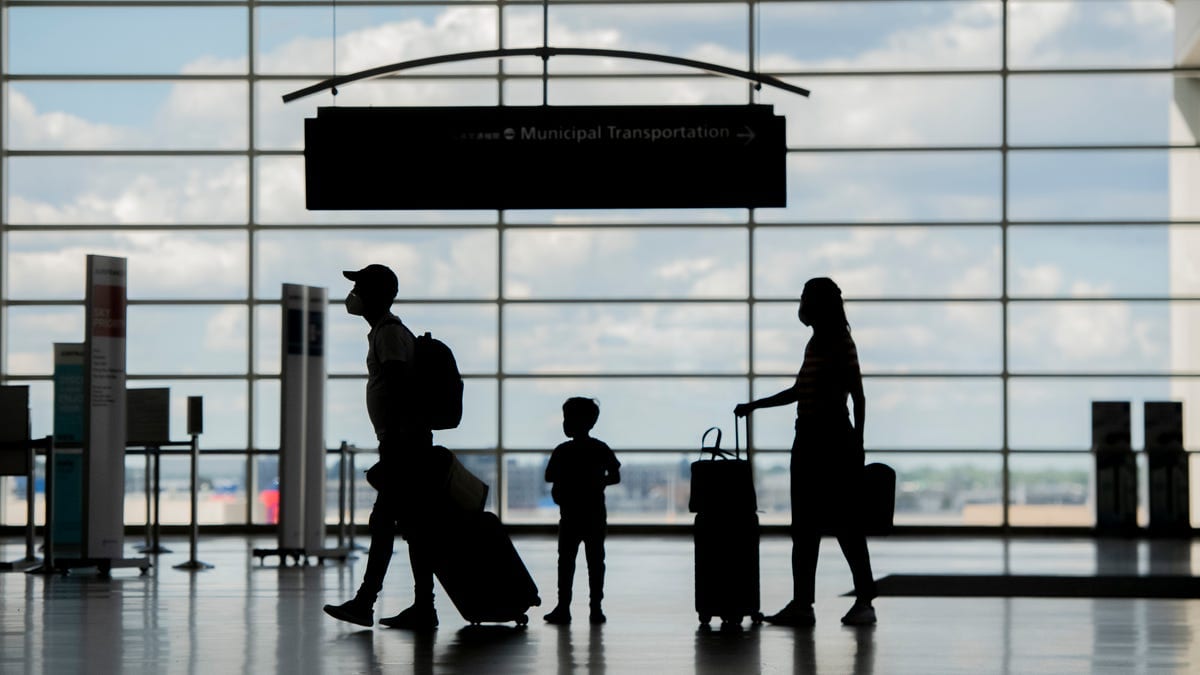
Image by detroitnews.com
Heavy Spring Travel, Light Local Disruption
Across the country, spring break schedules and the Easter holiday are combining with lingering winter weather and federal staffing tensions to create long lines and heavy flight disruption at many major hubs. Published coverage points to multi-hour security queues in some cities and elevated cancellation totals as storms and staffing gaps collide with record passenger volumes.
At Detroit Metropolitan Wayne County Airport, however, publicly available information and traveler reports indicate a notably smoother experience so far. Security wait times in recent days have generally remained in the single digits, with some travelers describing checkpoint processing in a matter of minutes even during traditionally busy early morning and late afternoon windows.
The contrast is striking given Detroit’s role as a major Midwestern connecting hub and a primary gateway for vacation traffic to Florida, the Caribbean and the American West. With many school districts in Michigan and neighboring states beginning spring recess around March 27 and March 30, passenger counts through Detroit are rising, yet the airport has largely avoided the gridlock seen elsewhere.
While individual flights into and out of Detroit have still been affected by weather systems and airline operational challenges in other cities, the disruption has not materialized into a full-scale meltdown inside the terminals. The picture emerging is of a busy but functioning hub that is absorbing seasonal demand rather than amplifying it.
Why Detroit Is Holding Up Better Than Other Hubs
Historic performance data offers one clue as to why Detroit appears to be coping better with the spring travel crunch. Industry analyses of on-time performance continue to rank Detroit among the most punctual large airports in North America, with relatively low cancellation rates compared with coastal hubs that frequently bear the brunt of severe weather and airspace congestion.
Airport planning practices also appear to be contributing to the steadier conditions this spring. Publicly available materials from the Wayne County Airport Authority emphasize a focus on proactive weather preparation and coordination with airlines, allowing the airport to adjust staffing, deicing operations and ground handling in anticipation of storm systems that can ripple through national flight schedules.
Traveler accounts in recent days similarly point to orderly queues at security, functioning checkpoint equipment and ample staff visible throughout the McNamara and Evans terminals. Even as some connecting passengers arrive late from storm-impacted parts of the country, the flow through Detroit’s concourses and baggage halls has remained manageable, preventing local backups from compounding wider system delays.
This relatively smooth performance stands out at a time when some other airports have reported multi-hour security lines during peak periods and have turned to temporary measures such as redeploying personnel from other federal agencies to help manage screening lines. In Detroit, by contrast, the experience so far this season has been defined more by steady throughput than by extraordinary interventions.
Spring Break Crowds Build as Easter Weekend Nears
The calm at Detroit Metro is unfolding against a backdrop of sharply rising passenger numbers. School calendars across Michigan and the broader Great Lakes region show many districts starting spring break between the last week of March and the first week of April, sending families to the airport in large numbers for trips to warm-weather destinations.
Nationally, air travel demand often peaks over the Easter period, and this year is no exception. Industry forecasts have pointed to some of the busiest spring holiday travel days since before the pandemic, with high load factors on routes from Midwestern hubs to Florida, the Gulf Coast and mountain resorts. Detroit, as a key connecting point for a major U.S. carrier, is directly plugged into that surge.
Inside the terminals, that demand is visible in crowded gate areas and brisk business at concessions, yet operational indicators remain relatively positive. Security screening times have generally stayed within typical ranges for a large hub, and publicly shared delay statistics show Detroit avoiding the kind of cascading cancellations that can leave passengers stranded for days during peak holiday periods.
There are still pressure points. Early morning “bank” departures to leisure destinations are especially busy, and any new round of severe storms moving across the Midwest or East Coast could quickly test Detroit’s resilience. For now, though, the airport is handling elevated volumes without the pervasive bottlenecks that are drawing national attention elsewhere.
Weather, Staffing and a Narrow Escape From Gridlock
The 2026 spring break and Easter travel season comes on the heels of a difficult winter for aviation. Major storms in January and March triggered thousands of cancellations across the United States, exposing how quickly the system can seize up when airlines, airports and air traffic control are all operating near capacity.
Those shocks have been followed by a partial federal government shutdown that has affected staffing levels in transportation security and other aviation-related agencies. National outlets have documented lengthy checkpoint lines at some airports, as screeners work overtime or shift assignments while political negotiations continue in Washington.
Against that backdrop, Detroit’s relatively stable conditions amount to a narrow escape from the worst of the gridlock. While the airport is not immune to national headwinds, local operational choices appear to be softening their impact. When storms hit other parts of the network, Detroit has often absorbed schedule adjustments without allowing local queues to spiral out of control.
The result is a spring travel experience that, while far from effortless, has spared many passengers the extreme waits and repeated cancellations making headlines at other hubs. Travelers passing through Detroit still face the usual spring uncertainties, but the airport’s day-to-day performance has so far remained more orderly than chaotic.
What Travelers Can Expect in the Coming Days
With Easter Sunday falling in late March this year and many school breaks stretching into the first week of April, Detroit Metro’s heaviest traffic days are likely to continue through at least the next two weekends. Airlines have scheduled additional capacity on popular leisure routes, and airport parking, security and concessions are all expected to see sustained demand.
Public guidance from airlines and travel industry groups continues to emphasize basic preparation: arriving early for departures, monitoring flight status frequently and building extra time into connections. For Detroit passengers, following that advice may help mitigate the residual effects of delays elsewhere in the system, even if local operations remain comparatively smooth.
Ground transportation is another factor shaping traveler experience at Detroit this season. Regional shuttle and coach services have highlighted spring break as a peak period and encouraged passengers to book earlier departures than usual, reflecting the expectation of heavier highway and curbside traffic around the terminals.
Looking ahead, Detroit’s performance during this spring surge is likely to factor into ongoing discussions about airport reliability and traveler confidence. If current trends hold, the airport could reinforce its reputation as one of the more dependable major hubs in the country, even during some of the busiest travel weeks of the year.