

More news on this day
As spring break and Easter travel swell passenger numbers at airports across the United States, Detroit Metropolitan Wayne County Airport is emerging as a relative bright spot, with reports indicating short security lines and mostly routine operations even as other hubs struggle with hours-long waits and widespread delays.
Get the latest news straight to your inbox!
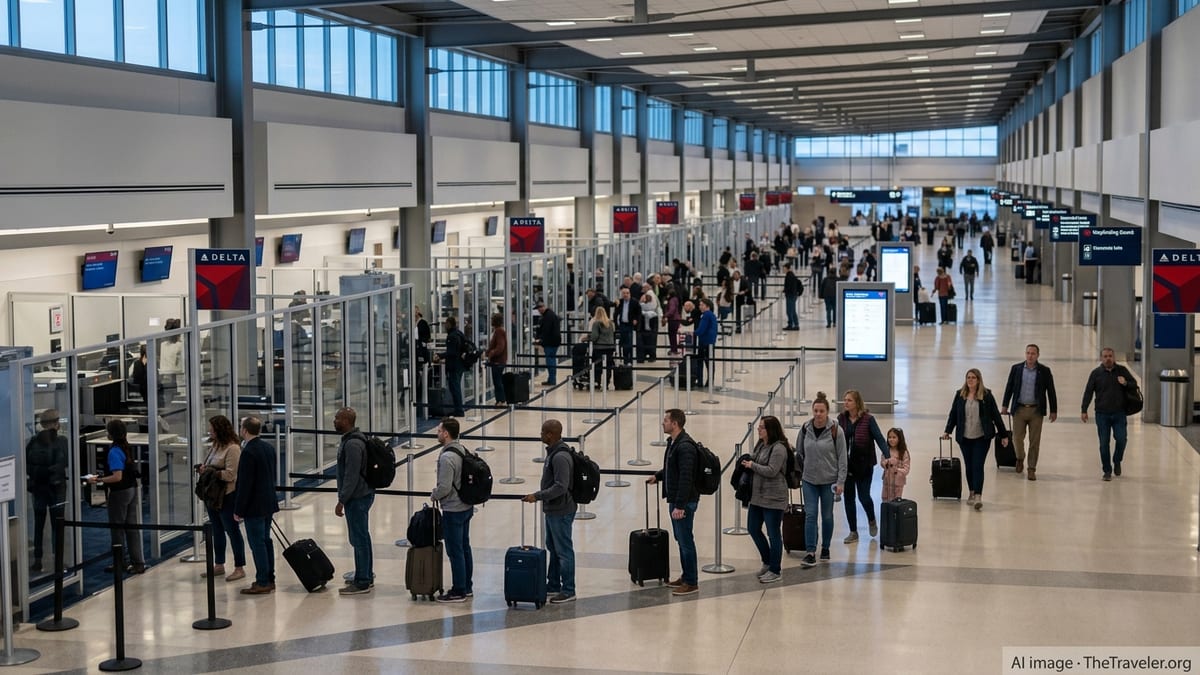
Calm at Detroit Amid National Airport Disruptions
Across the country, spring break 2026 has coincided with a partial federal government shutdown that is straining Transportation Security Administration staffing and triggering extensive delays at some major hubs. National coverage describes travelers in cities such as Houston and New Orleans facing security waits of three hours or more as checkpoints struggle to keep up with peak crowds during the busy March travel period.
In contrast, conditions at Detroit Metro Airport have remained comparatively smooth. Recent traveler accounts on public forums describe security waits at Detroit’s McNamara and Evans terminals holding to a few minutes during peak morning and midday periods, even as nearby airports warn passengers to arrive four to five hours before departure. While Detroit is experiencing higher passenger volumes typical of late March, particularly on Fridays and Sundays, there have been no widespread reports of cascading disruptions.
Flight-tracking summaries of the mid-March disruptions show that Detroit did experience some cancellations and delays when storms and staffing pressures rippled through the national network earlier this month. However, the totals at Detroit were significantly lower than at the hardest-hit airports in Florida and the South, and subsequent days have seen operations stabilize as schedules adjust and staffing plans are refined ahead of the Easter weekend surge.
Historical aviation statistics from the airport authority indicate that Detroit Metro’s passenger traffic has been trending upward over the past two years, suggesting that current smooth operations are being maintained under heavier loads than before the pandemic recovery period. The combination of rising demand and manageable wait times is positioning the airport as a relatively reliable connecting point at a time when many travelers are bracing for chaos.
Short Security Lines Defy Spring Break Expectations
This year’s spring break travel season was widely expected to test airport security systems, with industry groups forecasting record or near-record passenger numbers for March and April. Reports from multiple U.S. airports describe security checkpoints backed up for hundreds of feet, with lines spilling into ticketing halls as families head to beach destinations and returning students crowd Sunday evening departures.
At Detroit Metro, the picture has been markedly different. Travelers posting this week describe wait times between two and five minutes at standard TSA lanes and similarly brief queues for PreCheck during busy morning banks of flights. Some passengers report arriving more than two hours early out of concern over national headlines, only to find checkpoints moving quickly and gate areas filling well before boarding.
Publicly available guidance from the airport and TSA for Detroit continues to recommend arriving at least two hours before domestic departures and three hours before international flights, particularly during spring break and holiday weekends. However, unlike some airports that have urged travelers to show up four or more hours before departure, Detroit’s messaging has remained relatively moderate, reflecting the shorter observed waits.
Aviation observers note that Detroit’s terminal layout, with centralized checkpoints feeding concourses rather than multiple small screening points, may be contributing to more efficient passenger flow. The airport also maintains detailed security rules and procedures that are regularly updated, which can help limit bottlenecks caused by confusion over screening requirements when crowds spike suddenly.
Operational Strategy Helps Detroit Avoid Gridlock
Several factors appear to be helping Detroit Metro avoid the gridlock affecting other airports as the Easter holiday approaches. Carriers at Detroit, led by a major hub operation, typically schedule robust staffing and aircraft availability for the spring travel window, treating March as a dress rehearsal for the heavier summer season. That approach can provide additional flexibility when storms or upstream delays threaten to roll through the system.
Detroit’s role as a connecting hub rather than an overwhelmingly leisure-focused gateway also shapes traffic patterns. While spring break brings a noticeable rise in flights to warm-weather destinations, a substantial share of Detroit’s passengers are business travelers or those making domestic and international connections. This mix tends to spread demand more evenly throughout the day compared with airports that see heavy spikes concentrated around a few morning and evening departure waves.
Infrastructure investments completed over the past two decades, including modern terminals with wide concourses and centralized security areas, continue to pay dividends during peak periods. Publicly reported passenger totals show that Detroit’s facilities were designed to handle volumes comparable to or higher than current levels, giving the airport a buffer as national air travel approaches record highs.
Even as Detroit benefits from favorable operations, the airport remains tied into a national system that is under strain. Weather disruptions or ongoing staffing pressures at other hubs can still create knock-on effects for Detroit-bound and Detroit-originating flights, particularly on popular spring break routes. Aviation analysts caution that the absence of major problems so far does not eliminate the risk of isolated rough patches through Easter Monday.
Easter Weekend Peak Still Ahead for DTW
The heaviest travel days of the Easter period are expected from Friday through Monday, with airlines loading additional capacity on routes to Florida, the Southwest and other leisure destinations popular with Midwestern travelers. Booking and demand projections indicate that Detroit Metro will see some of its busiest days of 2026 over this stretch, with large numbers of families and student groups departing and returning within a narrow window.
Travel planning coverage notes that Sundays and Mondays are likely to be the most challenging, especially in the early morning and late afternoon departure banks. While Detroit’s security lines have remained short in recent days, analysts point out that even a modest staffing shortfall or localized weather issue can quickly transform a smooth morning into a stressful one when aircraft are nearly full.
To stay ahead of potential bottlenecks, public information campaigns at both the national and local levels are urging travelers through Detroit to verify flight status frequently, allow extra time for parking or ground transportation and pack with security screening in mind. Simple steps such as separating electronics, confirming liquid limits and checking baggage rules before arriving at the terminal can help keep Detroit’s checkpoints flowing as crowds build.
Travelers connecting through Detroit are being advised to pay attention to minimum connection times on their itineraries, particularly when arriving from airports that have borne the brunt of earlier spring break disruptions. While Detroit itself is operating smoothly, late inbound flights from more congested hubs can still compress layovers and put pressure on tight connections during the holiday rush.
What Detroit Travelers Should Expect in the Coming Weeks
Looking beyond Easter, forecasts for U.S. air travel in 2026 point to sustained high demand through the remainder of spring and into early summer. Industry groups expect total passenger numbers to edge higher than last year, driven by a combination of leisure trips and a continued rebound in business travel. For Detroit Metro, that suggests a continuing stream of heavy, but likely manageable, crowds.
Spring break patterns will gradually taper in April as schools return to regular schedules, easing the concentration of family travel that defines March. However, upcoming events and the start of the summer vacation planning window could keep certain routes busy, particularly international services and flights to coastal destinations. Detroit’s ability to maintain short security waits during this early test may build traveler confidence heading into the next peak period over Memorial Day.
Experts who track airport performance stress the importance of real-time information for passengers using Detroit Metro over the next several weeks. Monitoring wait-time tools, flight status updates and airline notifications can help travelers adjust their arrival times and avoid unnecessary stress, particularly as the broader national system continues to cope with the effects of the government funding standoff.
For now, Detroit stands out as a rare example of relative calm during one of the most demanding travel periods of the year. If current trends hold, the airport may offer a case study in how a combination of infrastructure capacity, balanced traffic mix and clear public guidance can keep holiday crowds moving while other hubs wrestle with long lines and mounting frustration.