

More news on this day
A sinister theory involving scopolamine, the drug often dubbed “devil’s breath,” is gaining attention as relatives, colleagues and online communities search for answers in the recent disappearance of an American Airlines flight attendant during a layover in Colombia.
Get the latest news straight to your inbox!
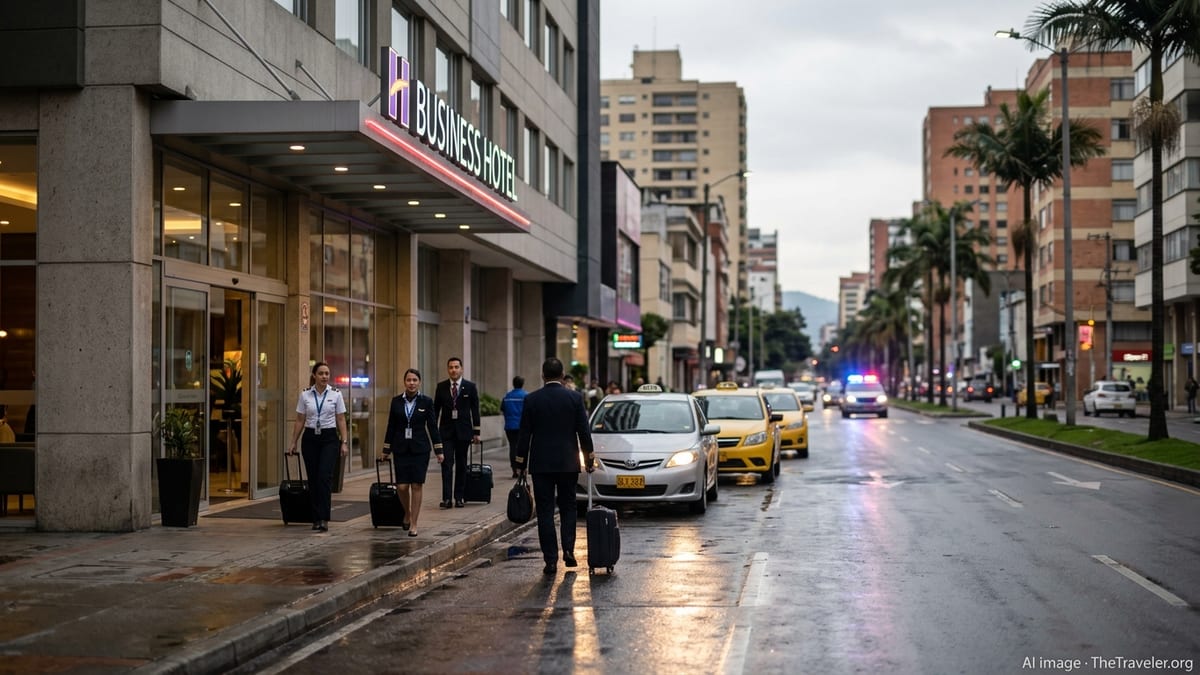
A layover that turned into a disappearance
Publicly available information indicates that the missing crew member vanished during a scheduled stopover in Colombia, after operating an American Airlines flight from the United States. Coverage shared across news aggregation sites and aviation forums describes the case as a routine layover that took a sudden, unexplained turn when the flight attendant did not rejoin the crew for the onward journey.
Posts in airline and travel communities describe the attendant as an experienced professional who was familiar with international layovers, making the disappearance feel especially unsettling to colleagues following the story. Reports suggest that the attendant failed to appear for a planned departure and could not be reached, triggering concern among family and fellow crew members.
While formal investigative updates have been limited, the case has quickly drawn attention from frequent travelers and aviation workers who see echoes of broader safety worries surrounding overnight crew stays in major cities around the world.
How “devil’s breath” entered the conversation
The emerging “devil’s breath” theory centers on scopolamine, a drug that has long been associated in public discussion with street crime in parts of Latin America. Online commentary notes that the substance has a reputation for leaving victims disoriented, compliant and with little memory of events, raising the possibility that a targeted traveler might be robbed or abducted before fully realizing what has happened.
In threads discussing the disappearance, several posters point to past warnings circulated to tourists about scopolamine-related incidents in Colombia’s major cities. Travel advisories and media reports over the years have referenced cases in which individuals claimed to have been drugged after accepting drinks from strangers or encountering unfamiliar powders in night-life districts.
Against that backdrop, some members of the flight attendant and frequent flyer community are speculating that the missing crew member could have been the victim of a similar scheme, potentially after leaving the hotel or meeting acquaintances in the city. At this stage, however, the “devil’s breath” angle remains a theory shaped by public perception and prior travel warnings, rather than confirmed investigative findings.
Safety fears echo earlier hotel tragedies
The concern surrounding the current disappearance has been amplified by memories of previous tragedies involving American Airlines crew accommodations. In 2023, extensive coverage documented the death of a 66-year-old American Airlines flight attendant who was found in a Philadelphia airport hotel room under circumstances described at the time as suspicious. That case, still closely remembered in airline circles, prompted intense debate about hotel security and the duty of care owed to crew members on layovers.
Union communications and public reporting after the Philadelphia incident highlighted flight attendants’ frustration over being required to remain in a hotel where a colleague had died while the investigation was still active. The episode fueled ongoing scrutiny of how layover hotels are selected, how safety issues are escalated and what procedures are followed when a crew member cannot be reached.
For many flight attendants following the situation in Colombia, those earlier events form a troubling backdrop. The combination of a missing colleague, a foreign city and an unsettling criminal theory has revived long-standing anxieties about vulnerability during overnights, especially when hotels are located near nightlife districts or transport hubs.
What is known about scopolamine risks for travelers
Scopolamine itself is not new to medicine or travel advisories. It is widely used in controlled doses to treat motion sickness and postoperative nausea, often delivered via transdermal patches prescribed by medical professionals. The substance’s darker reputation arises from accounts in which it is allegedly misused in far higher or uncontrolled quantities to incapacitate victims.
International reporting over the past decade has described scopolamine-linked crimes in several Colombian cities, typically involving nightlife encounters, bars and clubs. Victims have reported memory gaps, unexpected withdrawals from bank accounts and loss of valuables after an evening out. In many of these accounts, travelers say they accepted a drink or interacted with a stranger shortly before losing track of events.
Security briefings aimed at airline crews and corporate travelers often advise simple but strict precautions in destinations where such incidents have been reported. These include avoiding drinks from unknown sources, watching beverages closely, steering clear of isolated nightlife venues and using licensed transportation arranged through trusted providers or hotels.
Airline crew safety and the growing role of destination risk
The Colombian disappearance is underscoring the growing importance of destination risk management in the airline and travel sectors. Flight attendants frequently describe layovers as a mix of rest, routine errands and short periods of sightseeing, all compressed into tight schedules. When a city is associated with particular types of crime, such as drug-facilitated theft, crews are often left to balance personal caution with the realities of fatigue, unfamiliar surroundings and limited time on the ground.
Industry observers note that airlines and unions have increasingly pushed for more robust hotel vetting, improved transportation arrangements and clearer protocols when a crew member fails to report as scheduled. Recent cases, both in the United States and abroad, have sparked discussion about wellness checks, room security features, surveillance coverage and the communication chain between crews, hotels and company schedulers.
For frequent travelers, the story serves as a stark reminder that risks can extend well beyond the aircraft cabin. As the “devil’s breath” theory circulates, many in the travel community are revisiting long-standing advice about meeting strangers, accepting unsolicited drinks and sharing hotel details during short city stays.
Unanswered questions and a community on edge
Despite the attention around the scopolamine theory, key facts about the American Airlines flight attendant’s disappearance remain unclear in the public record. Reporting so far has not established where the crew member was last definitively seen, whether surveillance footage offers clues, or if there is concrete evidence linking the case to drug-facilitated crime.
Family members, colleagues and online supporters continue to seek updates as local investigators examine the circumstances surrounding the disappearance. For frontline crew, many of whom spend a significant portion of their careers in anonymous hotel rooms far from home, the case is a sobering reminder of how quickly a routine overnight can shift into crisis.
Until more information emerges, the discussion around “devil’s breath” reflects both genuine concern and the gaps that persist in public understanding of the case. What is certain is that the incident has sharpened calls across the airline and travel sectors to treat crew safety and destination risk not as background issues, but as central elements of modern global aviation.