

More news on this day
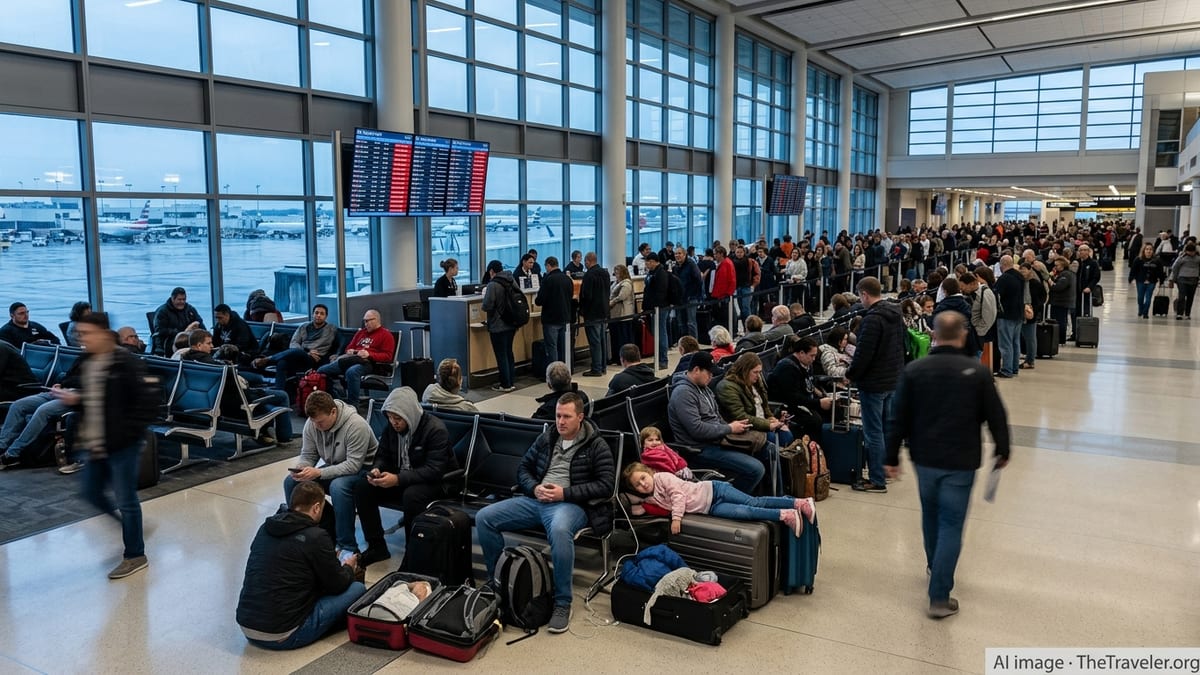
Dallas–Fort Worth International Airport, one of the world’s busiest hubs, has become the flashpoint of a sprawling air travel meltdown, as thousands of passengers remain stranded amid days of rolling cancellations and severe delays across the United States.
Get the latest news straight to your inbox!
Storm System Triggers Chaos at a Critical U.S. Hub
The latest disruption was triggered by a powerful storm system that swept across the central United States from March 13 to March 17, 2026, bringing a mix of high winds, snow and severe thunderstorms. Publicly available weather analyses describe the event as a large extratropical cyclone that battered the Upper Midwest and High Plains with blizzard conditions, while unleashing damaging winds and tornadoes across parts of the South and Mid-Atlantic. As the system tracked east, the ripple effects on air travel intensified.
Dallas–Fort Worth International Airport (DFW), the primary hub for American Airlines and a key connecting point for multiple carriers, was hit particularly hard. Operational summaries and storm reports indicate that DFW experienced extensive delays and cancellations as crosswinds, low visibility and lightning brought runway operations to a crawl. The airport’s position at the center of many transcontinental and regional routes meant that problems in North Texas quickly propagated through the national network.
In the span of several days, flight-tracking data showed hundreds of departures and arrivals at DFW scrubbed outright, with many more delayed for hours. As aircraft and crews fell out of position, knock-on cancellations spread to other major airports, from Chicago and New York to Orlando and Phoenix, compounding what had begun as primarily a weather-driven event into a full-blown operational crisis.
The meltdown followed closely on the heels of January’s Winter Storm Fern, which had already exposed vulnerabilities at DFW. Airport board materials and industry briefings cited nearly 3,700 cancellations tied to that earlier system, along with widespread power outages in the Dallas–Fort Worth region. Despite efforts to improve resilience since then, the March storm showed how quickly conditions can deteriorate when a large hub is placed under simultaneous stress from weather, crew displacement and heavy seasonal demand.
Passengers Stranded for Days as Rebooking Systems Buckle
For travelers caught in the latest disruption, the experience has often meant days living out of terminals and airport hotels while repeatedly rebooked flights failed to materialize. Accounts shared on public forums and social media describe lines for customer service snaking through DFW’s concourses, with some passengers reporting multiple consecutive cancellations on the same itinerary.
Several travelers recounted being shifted from one American Airlines flight to another, only to see each one marked “canceled” as updated crew availability and aircraft status filtered through the system. Others described abandoning their original airline entirely, purchasing last-minute tickets on competitors or routing through alternative airports such as Dallas Love Field, Denver or Houston simply to escape North Texas.
Reports indicate that overnight accommodation and meal assistance varied widely. Some travelers said they were given hotel and meal vouchers, while others reported being directed to seek reimbursement later or to find their own lodging in an already crowded metro area. With many airport seating areas packed and some concessions operating on reduced hours, fatigue and frustration escalated throughout the week.
Publicly accessible discussions among frequent flyers suggest that many passengers struggled to navigate a maze of options, from phone support queues to mobile app rebooking tools that frequently timed out or offered only itineraries days in the future. The result was a growing perception that rebooking systems had effectively buckled under the combined weight of weather disruptions and a backlog of stranded customers.
Airlines Struggle With Crew Displacement and Hub Dependence
While severe weather was the initial trigger, operational data and airline communications point to deeper structural pressures that turned a major storm into a nationwide meltdown. Airlines entered the busy spring travel period with tightly scheduled fleets and lean staffing in key work groups, a strategy that works efficiently during normal operations but leaves little margin when storms close multiple hubs at once.
In the case of DFW, the airport’s role as a megahub meant that disruptions radiated far beyond North Texas. Many itineraries depend on precise aircraft and crew rotations through DFW, so the cancellation of one key leg can strand both passengers and flight crews, leading to further cancellations downline. Industry analyses have highlighted how a grounded flight from Dallas to a leisure destination can simultaneously wipe out a subsequent return leg and any onward connections tied to that aircraft and crew.
American Airlines, which operates the largest share of flights at DFW, was particularly affected. Publicly available information from the carrier and third-party observers in recent weeks has acknowledged lingering challenges from Winter Storm Fern, including displaced crews and congested maintenance schedules. Combined with the March storm complex, these factors intensified the strain on operations and left the airline juggling crew duty-time limits, aircraft inspections and gate availability while attempting to restore its schedule.
Other U.S. carriers were not immune. Low-cost and ultra-low-cost airlines with smaller fleets reported clusters of cancellations and long delays at DFW and other affected airports, as the loss of just a few aircraft for weather or maintenance can erase an entire day’s worth of flights on certain routes. The events underscored how concentrated hub strategies and tight asset utilization can amplify the impact of a single major weather system.
Nationwide Ripple Effects Snarl Spring Break Travel
The timing of the DFW meltdown has been especially painful for travelers because it overlaps with the start of the spring break period, one of the busiest moments of the year for U.S. leisure travel. Published coverage shows that, even before the latest storm, airlines were already coping with elevated demand from families, students and sports fans heading to vacation spots and major events.
As DFW stumbled, downstream airports felt the squeeze. Orlando, Las Vegas, Phoenix and major coastal gateways all reported surges in delayed and canceled flights tied to missing aircraft or inbound crews that never arrived from North Texas and other storm-affected hubs. Travel forums were flooded with reports of theme park vacations cut short, cruises missed and long-planned family reunions thrown into disarray by last-minute schedule overhauls.
At the same time, ground transportation in the Dallas–Fort Worth region came under pressure as travelers sought alternatives. Ride-hail services, rental car counters and regional rail links connecting the airport with downtown Dallas and Fort Worth all experienced heavier use as stranded passengers attempted to reach hotels, alternative airports or simply a place to rest outside the terminals.
With seats scarce for days after the worst of the storm had passed, many travelers were left weighing whether to wait for a rebooked flight or to abandon air travel altogether and turn to long-distance driving. For some, published accounts suggest, the calculus shifted toward canceling trips outright rather than enduring an uncertain, multi-day effort to navigate the backlog.
Regulators, Airports and Travelers Reassess Resilience
The DFW meltdown is already prompting renewed debate about how prepared airlines and airports are for increasingly volatile weather patterns and systemwide shocks. Analysts point to a series of recent events, including January’s winter storm disruptions and earlier technology outages affecting air traffic control and airport equipment, as evidence that the U.S. aviation system is operating close to its limits.
Airport planning documents and public meeting records for DFW show a focus on expanding capacity, upgrading deicing and snow-removal equipment, and improving coordination between the airport and its largest carriers. However, the March disruption suggests that infrastructure improvements alone may not be enough if airline schedules and staffing levels remain highly optimized for normal conditions rather than resilience during extreme events.
Consumer advocates are using the episode to highlight the importance of clear passenger rights and refund rules when large numbers of flights are canceled. Guidance materials note that travelers on U.S. carriers are generally entitled to a refund when a flight is canceled and the passenger chooses not to travel, although compensation for hotels and meals often depends on whether the disruption is judged to be within the airline’s control.
For travelers, the lessons are stark. Publicly shared travel advice increasingly emphasizes building more buffer time into itineraries that connect through major hubs like DFW during peak seasons, monitoring weather systems days in advance, and holding backup options such as alternative routings or refundable fares. As the aftermath of the latest meltdown plays out, many passengers stranded in North Texas and beyond are likely to rethink how they plan future trips through one of the world’s busiest and most weather-exposed aviation crossroads.