

More news on this day
Travelers at Dallas Fort Worth International Airport (DFW) encountered another difficult travel day on April 11, as publicly available tracking data pointed to six flight cancellations and 197 delays affecting a mix of domestic departures and international services to Canada, the United Kingdom, Germany and other destinations.
Get the latest news straight to your inbox!
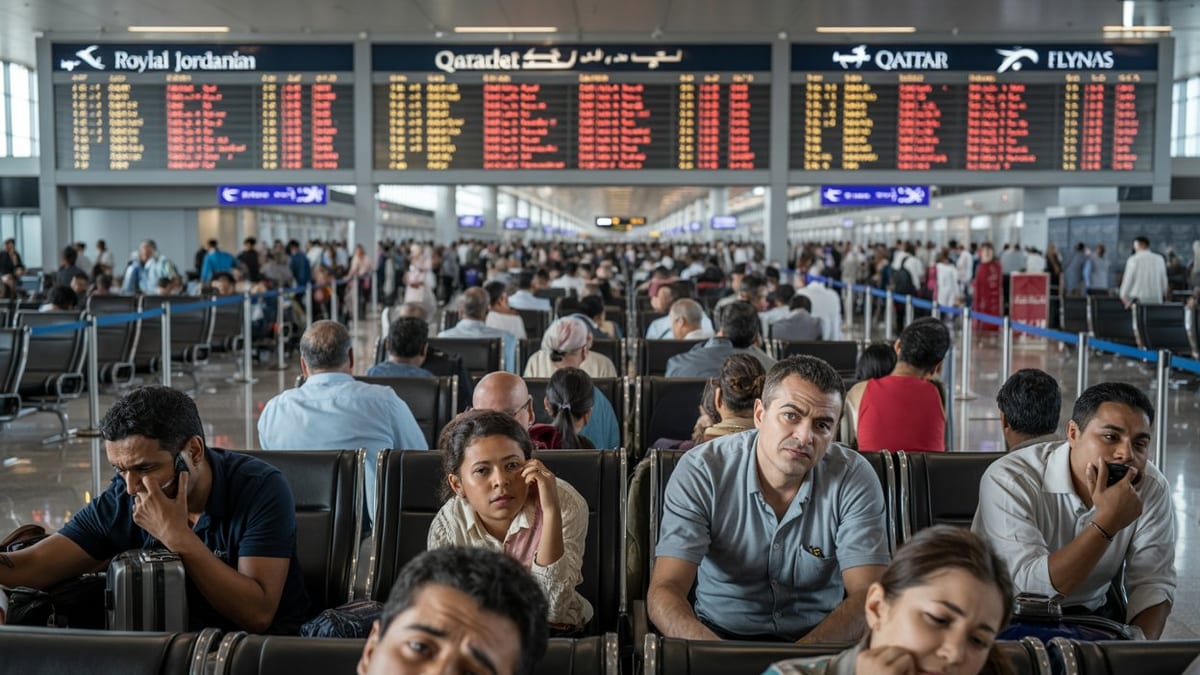
Targeted Disruptions Across Major Carriers
Operational data compiled from tracking platforms and industry summaries indicates that disruptions at DFW on April 11 were concentrated among a handful of carriers, including Spirit Airlines, Delta Air Lines, Lufthansa and regional operators. While the total of six cancellations appears modest for a hub of DFW’s scale, the impact was magnified by 197 delayed flights, many of them on heavily used connections.
Reports indicate that Spirit and Delta were among the most visible in terms of passenger-facing disruption, reflecting their sizable domestic networks and role feeding connecting traffic through Dallas Fort Worth. At least a portion of the cancellations involved shorter domestic routes, where aircraft and crew rotations are tightly scheduled, leaving little margin when earlier flights run late.
Lufthansa’s Dallas service was also under scrutiny as travelers tracked connections between Frankfurt and North American destinations. Real-time listings showed flight LH438 scheduled on April 11 from Frankfurt to Dallas, underscoring how even when a transatlantic flight operates, late arrivals can ripple into missed onward connections and extended time in the terminal for those continuing on to other U.S. cities or to Canada.
Regional affiliates and contract carriers operating under major U.S. brands contributed to the delay count, particularly on shorter hops into and out of Dallas Fort Worth. These flights are critical for feeding long haul departures and for linking secondary markets, meaning a delay of less than an hour can still jeopardize carefully timed itineraries.
International Routes to London, Frankfurt and Toronto Affected
The disruption was felt clearly on high-profile international links. According to flight-status services, traffic between Dallas Fort Worth and major European hubs such as London and Frankfurt experienced knock-on impacts as the day progressed, even when core long haul departures remained on the schedule.
Services between Dallas and London, operated by multiple transatlantic carriers, were closely watched by passengers connecting to UK domestic and broader European routes. When departure slots shifted or inbound aircraft arrived late, connecting times in both Dallas and London narrowed, forcing some travelers into last-minute rebookings or overnight stays.
Frankfurt-bound traffic through Lufthansa’s network was shaped not only by conditions at Dallas but also by the wider operational context in Germany. Recent industrial action affecting Lufthansa in early April had already created residual rebooking pressure around Frankfurt and Munich, and travelers connecting onto the DFW route reported crowded flights and limited flexibility in changing dates.
Northbound links to Canada, including flights to Toronto, were also caught up in the broader pattern of delay. Publicly available schedules show that Dallas Fort Worth serves as an important bridge between U.S. southern and central states and Canada’s largest hub airports. When departures to Toronto push back from the gate later than planned, onward connections within Canada can be at risk, particularly during busy evening banks.
Knock-On Effects Across the U.S. Network
The strain at Dallas Fort Worth came against a backdrop of widespread disruption across the United States on April 11. National summaries of flight operations for the day pointed to dozens of cancellations and more than a thousand delays countrywide, with airlines such as Delta, United, Spirit and SkyWest all recording elevated numbers.
Air travel reports described issues at other major nodes, including Detroit Metropolitan Wayne County Airport, where well over 100 flights were delayed and several canceled. Those disruptions fed directly into Dallas-bound and Dallas-originating services, as late aircraft and crews arriving from Detroit, Chicago, Atlanta, New York and other hubs reduced the system’s ability to recover.
With the national network under pressure, even a relatively low cancellation figure at DFW translated into a challenging experience for passengers. Travelers arriving from weather- or congestion-affected airports elsewhere often missed their original connections out of Dallas and were forced to seek rerouting options on already crowded flights, especially on popular weekend travel days.
Operational data also suggests that some of the DFW delays were the result of upstream congestion rather than conditions specific to North Texas. When inbound aircraft arrive outside their scheduled windows, turnaround times lengthen, and ground operations, from baggage handling to catering, must be compressed, leaving little opportunity to make up time before the next departure.
Passengers Face Long Lines and Limited Options
By midday on April 11, passenger accounts and airport performance summaries pointed to swelling lines at ticket counters and security checkpoints at DFW, particularly around the terminals used by the most affected carriers. As delays accumulated, rebooking desks reported heavier traffic, with many travelers attempting to secure earlier standby seats or reroutes through alternative hubs.
Reports indicate that travelers bound for long haul destinations such as London, Frankfurt and Toronto were especially concerned about missed connections at the far end of their journeys. Those with separate onward tickets, such as rail or low-cost intra-European flights, lacked the automatic protection that through-tickets provide, increasing the financial and logistical stakes of any delay out of Dallas.
Domestic travelers fared somewhat better when alternate routings were available through other U.S. hubs, but they still faced extended travel times and the risk of arriving late at night. In some cases, when the final legs of multi-stop itineraries were canceled, passengers had to arrange ground transportation to complete their journeys to nearby regional airports or cities within driving distance.
For those with flexible plans, some industry guidance suggested monitoring real-time departure boards and considering voluntary changes away from peak hours. However, with school holidays and spring travel demand continuing to bolster loads, last-minute alternative seats on April 11 were limited, particularly in premium cabins and on transatlantic flights.
What Travelers Can Do During Ongoing Disruptions
Travel information providers advise passengers flying through Dallas Fort Worth in the current environment to build additional time into their itineraries, especially when connecting to international flights or to smaller regional airports. Same-day minimum connection times often assume near-perfect on-time performance, which recent days have shown cannot be guaranteed.
Publicly available guidance also highlights the value of checking flight status repeatedly in the 24 hours before departure, using both airline channels and independent tracking platforms. Early awareness of creeping delays or equipment changes can give travelers a better chance of securing adjustments before departure boards and service desks become overwhelmed.
For those whose flights are canceled or significantly delayed, consumer and aviation resources recommend reviewing each airline’s published policies on rebooking, refunds and, where applicable, hotel or meal vouchers. These policies vary by carrier and by whether the disruption is deemed within the airline’s control, such as crew scheduling issues, or attributable to weather and air traffic constraints.
As Dallas Fort Worth moves further into the busy spring and summer travel period, operational data will show whether April’s pattern of high delay counts and targeted cancellations eases or becomes a recurring feature. For now, the events of April 11 serve as another reminder that even a limited number of canceled flights, when combined with hundreds of delays, can significantly reshape travel plans across North America and the transatlantic network.