

More news on this day
India’s aviation regulator has cleared a reduced summer schedule for IndiGo, signaling a more cautious stance on flight approvals after the airline’s high profile winter disruption that saw thousands of cancellations and delays across the network.
Get the latest news straight to your inbox!
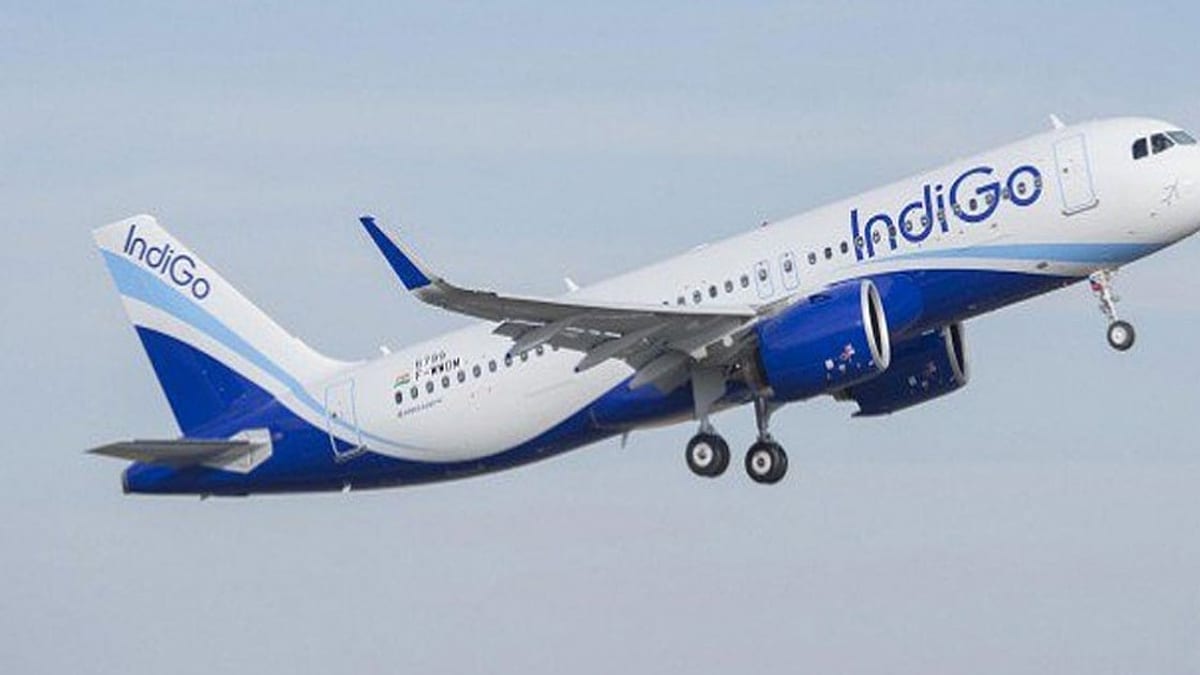
Image by deccanherald.com
Regulator Clears Smaller Summer Expansion
Publicly available regulatory filings and media coverage indicate that the Directorate General of Civil Aviation has approved fewer IndiGo flights for the upcoming April to October summer season than the airline had originally sought. IndiGo had reportedly proposed a robust increase in daily departures, but the cleared schedule now reflects a notably lower growth trajectory.
Business disclosures suggest that the airline sought approval for a sharp ramp up in operations following the winter period, but later revised its request and accepted a smaller uplift in flights. The revised summer plan implies a reduction of around 15 per cent from the airline’s original internal target for the season, underscoring how the regulator is factoring operational resilience into schedule clearances.
While IndiGo is still on track to operate more flights this summer than in previous seasons, the gap between the airline’s initial ambition and the DGCA cleared schedule highlights a new phase of scrutiny. Capacity growth appears to be proceeding, but in a moderated fashion that attempts to balance demand with staffing, aircraft availability and compliance with updated crew duty rules.
The adjusted approvals also come at a time when domestic air travel demand in India remains strong, driven by economic growth and rising connectivity to smaller cities. Any tempering of IndiGo’s expansion therefore has broader implications for fare levels, slot use at congested airports and the competitive landscape among Indian carriers.
Winter Disruption Casts a Long Shadow
The more conservative summer schedule follows a tumultuous winter for IndiGo. According to compiled media reports and official summaries, the airline cancelled roughly 4,500 flights in the first half of December 2025 after struggling to align its operations with new Flight Duty Time Limitation norms for pilots. Delays ran into many hours at major hubs such as Delhi, Mumbai, Bengaluru and Hyderabad, affecting hundreds of thousands of passengers.
Public information shows that IndiGo had entered the winter with an aggressive schedule that assumed smooth adaptation to stricter rest requirements and limits on night operations. When that did not materialize, the network began to unravel. Airports reported clogged gates, long queues and widespread missed connections as rotations slipped and aircraft and crew were left out of position.
In response, the DGCA not only capped IndiGo’s winter schedule by about 10 per cent but also directed the carrier to scale back operations temporarily to help stabilize the network. Other airlines were given access to some of the vacated slots to maintain connectivity on key routes, particularly from metro airports where IndiGo has a dominant presence.
The episode triggered a broader review of how schedules are approved. Publicly available statements from the Ministry of Civil Aviation and subsequent regulatory actions indicate that the regulator is now paying closer attention to the relationship between pilot strength, aircraft count and proposed departures before signing off on seasonal plans.
Slot Discipline and Operational Readiness Now Central
The decision to clear fewer IndiGo flights for summer is widely seen, in published commentary, as part of an effort to tighten slot discipline and improve reliability across the domestic system. By moderating the airline’s schedule, the DGCA appears to be signaling that on paper capacity must be backed by realistic crew planning and maintenance bandwidth.
Reports from recent months show that IndiGo surrendered or underutilized several hundred slots following the winter cuts, which were temporarily reassigned to rival carriers under the current winter schedule. As the season transitions, the regulator and airport operators are faced with decisions on whether, and how quickly, to restore those slots to IndiGo or continue spreading them across the market.
A more conservative summer schedule effectively gives the airline a longer runway to rebuild resilience. With fewer daily departures than initially planned, IndiGo can allocate pilots more comfortably within the revised duty and rest framework, maintain buffer capacity for disruptions and ensure that maintenance windows are preserved even during peak travel days.
For passengers, the near term result may be a tighter seat supply on some high demand routes where IndiGo had previously been adding frequency at a rapid pace. Analysts quoted in business coverage suggest that this could keep fares elevated during peak holiday periods, at least until other airlines fill the gap or additional capacity enters the system.
Industry Response and Competitive Shifts
The DGCA’s summer schedule decisions are also reshaping competitive dynamics. According to business press reports, full service and low cost rivals have already sought additional flights on routes where IndiGo is trimming or growing more slowly than planned. Air India, in particular, has been seeking extra daily departures on trunk sectors where IndiGo’s presence is being moderated.
By reallocating or temporarily sharing slots, the regulator appears to be encouraging a more balanced distribution of capacity among carriers. This approach is being interpreted in aviation commentary as a way to reduce over dependence on a single airline at key airports, making the system more resilient to disruption at any one carrier.
The IndiGo episode has also sharpened investor and policymaker focus on human resource planning in India’s fast growing aviation industry. With new aircraft orders across multiple carriers and ambitious route expansion plans, regulators and analysts are increasingly scrutinizing pilot training pipelines, simulator capacity and retention strategies.
In this environment, a scaled back summer schedule for IndiGo can be seen as a test case for how Indian aviation manages rapid growth without compromising reliability. Market observers will be watching whether other airlines face similar constraints on approvals if their staffing and operational plans are deemed too thin relative to proposed capacity.
What It Means for Summer Travelers
For travelers planning to fly within India between April and October, the DGCA’s cautious stance on IndiGo’s summer schedule has practical implications. With fewer flights cleared than the airline initially planned, seat availability on popular metro to metro routes and certain leisure destinations could be tighter at preferred times of day.
Published analysis recommends that passengers book earlier than usual for high demand weekends and holiday periods, particularly on routes where IndiGo historically offered very high frequencies and is now growing more modestly. Travelers may also find more options by comparing schedules across carriers, as some competing airlines are stepping in with added services using the slots and traffic rights made available.
At the same time, the regulator’s approach is aimed at improving day to day reliability, with an emphasis on realistic scheduling rather than maximum theoretical capacity. If the strategy succeeds, passengers could see fewer last minute cancellations and long delays, even if headline frequency increases are somewhat smaller than in previous growth phases.
As the summer season unfolds, on time performance data and cancellation statistics will provide an early indication of whether the recalibrated IndiGo schedule and stricter DGCA approvals are delivering a more stable travel experience across India’s crowded skies.