

More news on this day
Escalating political brinkmanship over Department of Homeland Security funding is beginning to spill into airports and border crossings, as Republican Senator Tom Cotton accuses Democrats of staging a “temper tantrum” while travelers face mounting delays and uncertainty.
Get the latest news straight to your inbox!
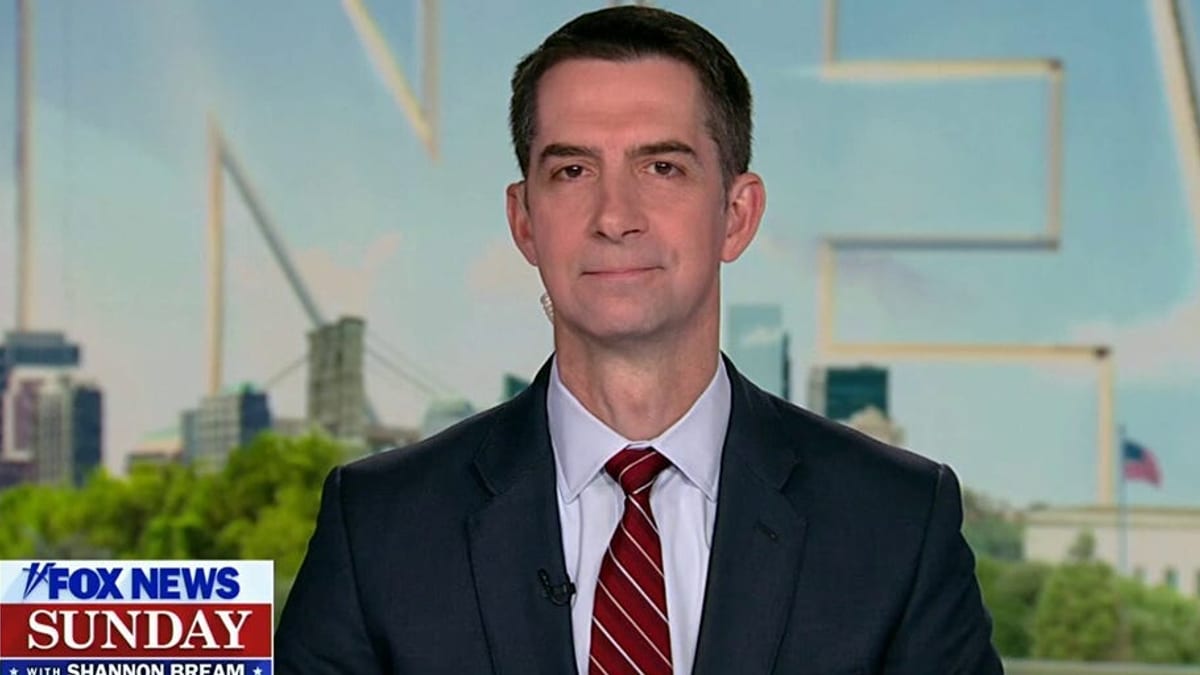
Image by foxnews.com
Partisan clash over DHS funding widens
The latest standoff in Washington centers on a short-term funding package for the Department of Homeland Security, which oversees airport security, Customs and Border Protection and the Transportation Security Administration. Negotiations in Congress have stalled amid disputes over immigration enforcement and broader border policy, creating new uncertainty over how long DHS can maintain normal operations if lawmakers fail to agree on a path forward.
Publicly available information shows that Republicans are pressing for tougher enforcement measures and restrictions at the southern border to be tied to any DHS funding extension. Many Democrats have resisted those demands, arguing that long-term border policy should not be negotiated under the threat of service disruptions that could affect safety and commerce. The result is a funding impasse with direct implications for the largest U.S. entry points by air and land.
Senator Tom Cotton has sharply criticized Democrats’ posture, characterizing their resistance to Republican border provisions as a partisan outburst and blaming it for prolonging the stalemate. According to recent coverage of the dispute, Cotton and other Republicans contend that Democrats are prioritizing political positioning over a straightforward funding bill, even as signs of operational stress at DHS become more visible to the traveling public.
Democratic lawmakers counter that Republican negotiators added contentious policy riders at the last minute, knowing they would be unacceptable to their caucus. They point to past bipartisan agreements on DHS appropriations that did not hinge on sweeping immigration changes, and contend that the current confrontation reflects a deliberate strategy to force concessions using the threat of travel disruption.
Airports report longer lines and ad hoc staffing shifts
As the funding deadline nears, reports from major U.S. airports indicate that DHS components are already shifting schedules and limiting overtime to prepare for the possibility of constrained budgets. TSA screeners and Customs officers are designated as essential personnel, so they typically continue working during funding lapses, but previous shutdowns have shown that unpaid or overextended staff can quickly translate into longer lines and reduced capacity.
Travelers at several large hubs have reported more frequent use of consolidated security lanes during off-peak hours, as managers attempt to stretch staffing across the day. Aviation industry briefings describe growing concern that even modest staffing adjustments, when combined with peak summer travel patterns and weather-related disruptions, could trigger bottlenecks at checkpoints and arrival halls. Airport executives are urging Congress to reach a deal swiftly to avoid a repeat of the cascading delays seen during past federal funding crises.
Published analyses of DHS shutdown scenarios emphasize that core security functions generally remain in place but become harder to sustain over time. When paychecks are delayed or overtime is restricted, absenteeism can rise and morale can suffer. That, in turn, affects how quickly passengers move through screening and how robustly border inspections are staffed when multiple international flights arrive in close succession.
For travelers, the most immediate impacts are felt in longer queues at security and passport control, tighter staffing at secondary inspection stations, and reduced flexibility when unexpected surges occur. Frequent flyers are being advised by travel analysts quoted in recent reports to arrive earlier than usual for departures from the busiest hubs, particularly during weekends and holidays.
Pressure mounts at land crossings and seaports
The funding standoff is also reverberating at land borders, where Customs and Border Protection officers manage large volumes of commercial and personal traffic each day. Publicly available data from previous partial shutdowns show that even small reductions in active lanes can create significant backups for freight trucks and passenger vehicles, affecting supply chains as well as leisure travel.
According to coverage from transportation and logistics outlets, some ports of entry along the U.S. borders with Canada and Mexico have already begun contingency planning. That can include adjusting operating hours, cross-training staff to move between cargo and passenger processing, and coordinating with local authorities on traffic management in case lane closures become necessary.
Cruise terminals and ferry ports, which also rely on DHS personnel for embarkation and disembarkation checks, are monitoring the situation closely. Industry commentary notes that cruise lines have limited ability to reroute ships on short notice without disrupting itineraries for thousands of passengers. Any slowdown in inspection times at key hubs could ripple through schedules, lengthening boarding and disembarkation windows and complicating same-day air-to-sea connections.
Travel planners say that land and sea travelers are more vulnerable to localized staffing decisions than airline passengers, because alternative routes may be hours away. If one crossing reduces capacity, nearby bridges and tunnels can quickly become overwhelmed, magnifying the effect of even a single shift reduction.
Political rhetoric escalates as travelers seek clarity
As lines grow and social media fills with images of crowded terminals, the tone in Washington has become more combative. In remarks highlighted across political media, Senator Cotton has described Democratic resistance to the current DHS funding bill as a “temper tantrum,” asserting that their objections are out of step with public concern about border security. He argues that by blocking a package that includes enforcement provisions, Democrats are effectively choosing political theater over operational stability.
Democratic leaders have rejected that framing, insisting that they are open to negotiation but unwilling to accept what they describe in public statements as extreme or untested policy changes tied to a time-sensitive funding measure. They emphasize that DHS personnel themselves bear the immediate consequences of any lapse, with pay delays and operational uncertainty, even as they are asked to maintain safety standards at airports and borders.
Public opinion snapshots referenced in recent analyses suggest that voters are divided over which party would bear more blame if DHS funding were disrupted. Some polls indicate a narrow edge for Republicans on border security as an issue, while others show broad frustration with both parties for allowing essential services to become bargaining chips. Travel advocacy groups are urging both sides to separate operational funding from longer-term policy disputes, arguing that the current brinkmanship undermines confidence in the reliability of U.S. infrastructure.
For individual travelers, the political arguments can feel remote compared with the practical questions about missed connections, lost vacation days and added costs. Industry observers note that every high-profile funding confrontation chips away at the perception that federal services tied to travel and border management are insulated from partisan fights.
What travelers can expect in the coming weeks
Analysts who track federal operations and travel trends say that the precise impact of the DHS standoff will depend on how long negotiations remain stalled and whether lawmakers allow any lapse in funding to occur. Short gaps are typically managed through temporary staffing measures and delayed payments, while longer disruptions can force more significant changes such as limiting overtime, consolidating checkpoints and slowing certain noncritical programs.
Travel-focused publications advise passengers with upcoming trips to build in extra time at airports and to monitor airline and airport communications closely in case local conditions worsen. Enrollment appointments for programs such as TSA PreCheck and Global Entry, which are often deprioritized during funding crises, may become harder to schedule or reschedule. Travelers who rely on those programs for expedited screening may need to adjust expectations if dedicated lanes are shortened or combined with standard queues.
According to recent industry commentary, airlines and airports are preparing contingency plans, including deploying additional customer service staff, reconfiguring queuing areas, and coordinating with local law enforcement where necessary to manage crowding. These steps can soften the immediate blow of any operational strain inside DHS, but they cannot fully offset the effect of federal staffing shifts at checkpoints and inspection posts.
With rhetoric sharpening on Capitol Hill and Senator Cotton and Democratic leaders trading blame, the broader travel industry is left hoping that a compromise arrives before the next holiday and peak travel periods. Until then, the growing disconnect between Washington’s political confrontation and the everyday experience of travelers in security lines underscores how closely the functioning of U.S. mobility is tied to the fate of DHS funding debates.