

More news on this day
Oxford is moving beyond its postcard image of dreaming spires as visitors from the United Kingdom, United States, Germany, France, Spain, Italy, Mexico and Japan increasingly rely on a new Discover App to uncover lesser-known corners of the city and channel more spending into local neighbourhoods, airlines and the wider hospitality sector.
Get the latest news straight to your inbox!
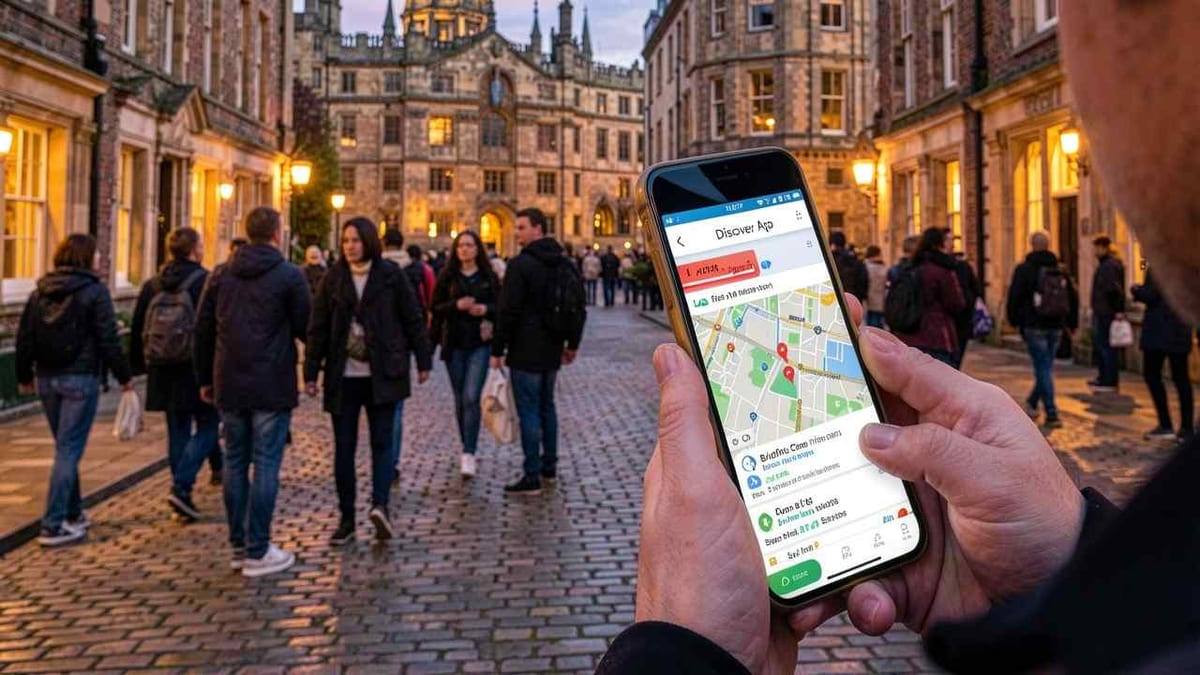
Image by Travel and Tour World – Tourism, Airline, Destination, MICE, Gobal Travel Market, Hotel news that you will find only over here.
Oxford Rides a Fresh Wave of International Demand
Recent tourism data for the United Kingdom points to a robust rebound in inbound travel, with core markets such as the United States, France, Germany and Spain delivering strong growth in visits to Great Britain through 2024. Industry forecasts for 2025 indicate that Italy, Mexico and Japan are also among the fastest expanding outbound markets worldwide, underpinning the latest surge of visitors arriving in regional cities such as Oxford.
While London remains the country’s dominant entry point, travel trend reports show that overseas visitors are increasingly pairing the capital with day trips or short stays to heritage destinations within easy rail reach. Oxford, less than an hour from London by train, is emerging as a clear beneficiary of this pattern as travellers seek walkable historic centres, university architecture and cultural experiences that feel distinct from big city breaks.
Market analysis from international tourism bodies suggests that travellers from North America, Western Europe and East Asia are now prioritising authentic local experiences alongside headline attractions. For Oxford, this has translated into demand not only for iconic college quadrangles and museums, but also for independent shops, riverside walks and neighbourhood cafes that rarely appear in traditional brochures.
Against this backdrop, the city’s tourism stakeholders are turning to digital tools to disperse visitors more evenly, extend their stays and connect global travellers with local businesses that sit beyond the conventional sightseeing circuit.
Discover App Launches to Showcase Oxford’s Hidden Side
Earlier this year, Oxford City Council announced the rollout of Oxford on the Discover App, a mobile platform designed to help residents and visitors navigate the city through curated maps, themed trails and an extensive directory of businesses, attractions and events. Publicly available information shows that the project is part-funded through the UK Shared Prosperity Fund, with additional support from Enterprise Oxfordshire.
The app brings together practical travel information with cultural highlights, family friendly activities and free things to do, aiming to make trip planning easier while encouraging people to explore beyond the busiest streets. Users can browse points of interest by category, follow suggested walking routes and receive prompts about independent venues close to their current location.
Local tourism reporting indicates that the Discover platform is positioning Oxford as a test bed for how digital discovery tools can manage footfall in popular destinations. By steering visitors toward lesser-known alleys, parks and community-run venues, the app seeks to relieve pressure on overcrowded landmarks while spreading economic benefits to a broader mix of neighbourhoods.
The initiative also reflects a wider UK and European policy shift that treats technology as a key instrument for tackling overtourism and seasonality. Instead of simply attracting more arrivals, cities are trying to influence where and when visitors spend their time and money.
Boost for Independent Businesses, Hospitality and Airlines
Business listings are a central feature of the Discover App, covering independent retailers, cafes, bookshops, galleries and experience providers alongside more established attractions. According to information released by local economic development bodies, the aim is to give smaller operators the same digital visibility often enjoyed by major chains or headline sights.
For independent businesses clustered around side streets and residential districts, appearing in a curated discovery feed offers a direct line to high-spending international visitors. Travellers from the United States, Germany, France, Spain, Italy, Mexico and Japan are among the world’s most valuable tourism markets in terms of per-trip expenditure, meaning even modest increases in footfall can translate into significant new revenue for local traders.
The hospitality sector also stands to gain. Hotel performance analytics for the wider Oxfordshire region show rising average daily rates and occupancy as visitors extend stays beyond a single night in order to follow multi-stop trails or themed itineraries promoted through digital guides. Short term rentals, guesthouses and boutique hotels in surrounding villages are marketing themselves within the same ecosystem, turning Oxford into a base for exploring the Cotswolds, River Thames landscapes and historic market towns.
Airlines and rail operators, meanwhile, benefit from the city’s enhanced international profile. Travel industry forecasts for 2025 highlight strong transatlantic demand into the UK from the United States and Mexico, as well as sustained growth from Germany, France, Spain, Italy and Japan. As more long haul arrivals choose to include Oxford in their itineraries, seats on connecting domestic flights, rail services and coach routes become easier to sell outside the traditional peak holiday windows.
Data Driven Personalisation Redefines the Oxford Experience
The Discover App’s impact goes beyond simple mapping. Travel technology analysts note that such platforms are increasingly using anonymised location and usage data to understand how visitors move through a destination, which experiences they favour and where bottlenecks occur. This information can shape everything from event scheduling to transport planning and signage.
In Oxford, early observations from tourism practitioners suggest that digital trails encourage more cross town movement compared with traditional group coach tours. Users who might once have remained around a handful of central colleges are venturing toward riverside paths, suburban museums and community arts spaces, often combining cultural stops with food and retail visits highlighted in the app.
For international travellers accustomed to sophisticated city guides in Paris, Tokyo or Barcelona, the ability to personalise an Oxford itinerary on a smartphone aligns with broader expectations. The app allows users to filter by interests such as literature, science, film locations or green spaces, mirroring global demand for themed experiences that can be completed in half a day and shared easily on social media.
Industry observers argue that this form of digital curation is helping Oxford hold its own in a competitive European landscape where destinations from Spain to Italy are working to balance record visitor volumes with resident quality of life. By making it easy to discover quiet corners and off peak activities, the city hopes to sustain growth without eroding the character that draws travellers in the first place.
Oxford as Template for a New Kind of City Break
The success of Oxford on the Discover App is already attracting attention from tourism bodies across the UK and abroad that are looking for practical tools to spread tourism benefits. As outbound markets in the United States, Germany, France, Spain, Italy, Mexico and Japan continue to expand, cities that provide intuitive digital guides are likely to win a larger share of high value, repeat visitors.
Analysts point out that this model suits airlines and tour operators as well as destinations. A city break that integrates a blend of iconic sights and discoverable local favourites is easier to market than a single attraction based trip, and supports the sale of multi city itineraries and regional passes. Oxford’s compact size and rail links mean it can be promoted as a low stress add on to London, as part of a university towns circuit, or as a gateway to the English countryside.
For residents, the hope is that smarter visitor management will help protect daily life from the strains associated with unmanaged growth. By highlighting locally owned businesses, staggering demand through timed recommendations and encouraging exploration on foot or by public transport, the Discover App approach seeks to convert tourism from a source of congestion into a more balanced contributor to the city’s cultural and economic vitality.
As global travel continues to rebound, Oxford’s blend of historic setting and digital navigation offers a glimpse of what the next generation of city break tourism could look like: high tech, hyper local and driven as much by hidden gems as by the famous skyline of spires.