

More news on this day
Orlando’s reputation as the theme park capital of the world is evolving fast, as new cultural districts, acclaimed restaurants and urban parks invite visitors to explore beyond the turnstiles.
Get the latest news straight to your inbox!
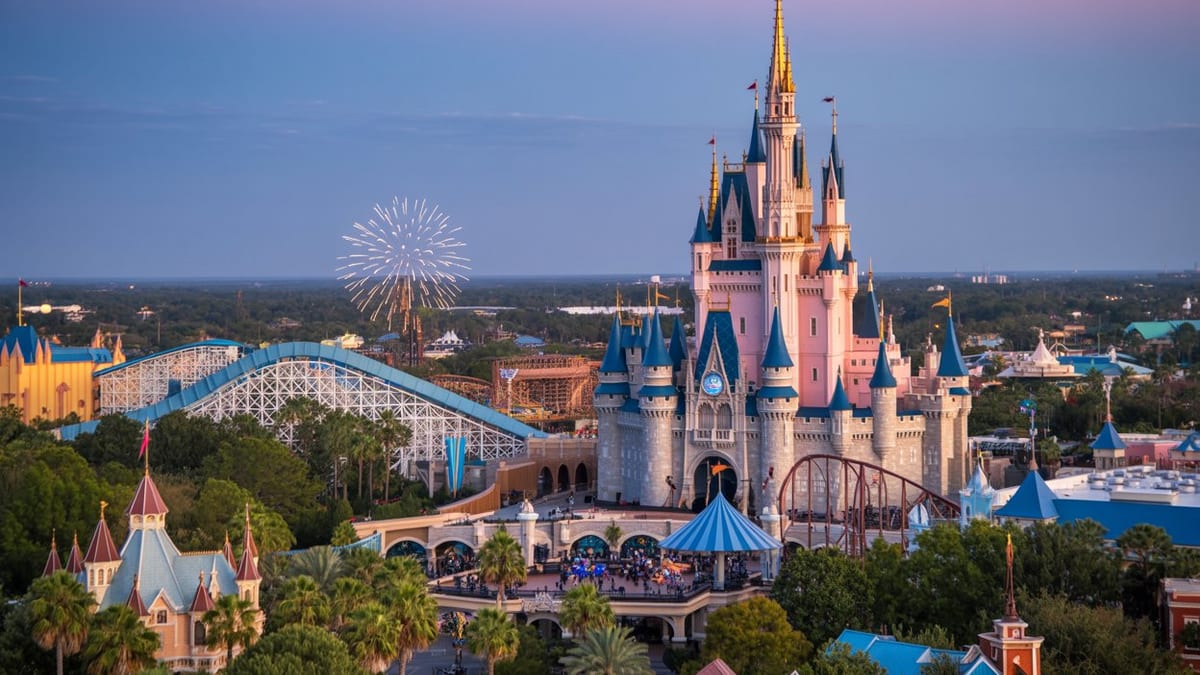
Image by Travel and Tour World – Tourism, Airline, Destination, MICE, Gobal Travel Market, Hotel news that you will find only over here.
A Growing Cultural Landscape in the City Center
Recent investment in downtown Orlando is reshaping how visitors experience the city, with new and expanding cultural hubs drawing attention away from the traditional resort corridor. Creative Village, an emerging innovation and education district on former city-owned land, is bringing students, residents and creative businesses into the historic Parramore neighborhood, adding galleries, performance spaces and public art to an area long rooted in local history.
Nearby, the Dr. Phillips Center for the Performing Arts has become a focal point for major touring productions and homegrown festivals. Its Steinmetz Hall, designed as a flexible concert space, hosts everything from orchestral performances to university arts showcases such as the UCF Celebrates the Arts series, giving visitors a way to build an evening of theater or live music into an Orlando trip that might once have ended at fireworks.
Annual events are also expanding the cultural calendar. The Orlando International Fringe Theatre Festival, held each May, continues to grow as a multi-venue showcase for independent theater, comedy, dance and visual art. Organizers have added winter mini-festivals and satellite programming, creating more opportunities throughout the year for travelers to experience the city’s experimental side in and around Loch Haven Park.
City market reports and cultural planning documents highlight a broader strategy to support arts corridors in neighborhoods such as Parramore, SoDo and Ivanhoe Village. For visitors, this means a denser network of murals, small theaters and creative studios within a short drive or rideshare of downtown hotels, offering an alternative evening agenda to resort entertainment.
Neighborhoods Where Street Art Meets Nightlife
Beyond the central business district, several walkable neighborhoods are emerging as draws in their own right. The Milk District, a former industrial area named for a historic dairy plant, has been described in recent travel coverage as a kaleidoscope of subcultures, with colorful murals, vintage shops and independent bars lining its compact streets. The district’s calendar features events such as quirky holiday festivals and outdoor markets that appeal to visitors looking for a casual night out with a local feel.
Murals and public art projects, particularly in Parramore and along major corridors leading into downtown, are also reshaping the city’s streetscapes. City documents note initiatives to commission large-scale pieces that reference neighborhood history and community figures, turning underused walls into visual landmarks. Travelers who once passed quickly between hotels and attractions now have reason to linger, photograph the artwork and visit nearby cafes and breweries.
Other districts add their own character to this patchwork. Ivanhoe Village, by Lake Ivanhoe just north of downtown, mixes midcentury antique shops, galleries and lakefront bars with frequent art walks and live music. SoDo and the Hourglass District are seeing new eateries, coffee shops and small venues that keep streets active into the evening. Together, these areas offer visitors an informal cultural crawl, with independent businesses and nightlife options distinct from the themed complexes around the parks.
Local tourism materials increasingly highlight these neighborhoods in suggested itineraries, positioning them as a complement to marquee attractions rather than a niche sideline. For travelers who want to sample Orlando beyond resort gates, spending an afternoon or evening in one of these districts provides a quick introduction to the city’s creative communities.
A Culinary Destination With Michelin Credentials
Orlando’s restaurant scene has rapidly gained international attention, with the city now among Florida’s top destinations recognized by the Michelin Guide. The 2025 Florida guide added a new wave of Orlando restaurants, bringing the total number of local venues recognized for their quality to several dozen, spanning starred establishments, Bib Gourmand spots and recommended listings. Coverage of the latest awards notes that Orlando now trails only Miami in the state for the number of Michelin-starred restaurants.
The city’s accolades are diverse. Papa Llama, a Peruvian restaurant in the Curry Ford West area, holds a Michelin star for its contemporary take on Nikkei-inspired cuisine in an intimate, design-focused space. In the Milk District, Otto’s High Dive carries a Bib Gourmand rating for its Cuban dishes and rum-focused bar program, and its beverage director received a standout award from the Florida guide for an exceptional cocktail program in 2024. Newcomers on the recommended list include casual Vietnamese, Japanese and barbecue concepts, underscoring a shift away from the stereotype of theme-park-adjacent chains.
Tourism boards and local publications point out that Orlando is now a destination for culinary travel in its own right, not just a place to find a meal between rides. Visitors can build itineraries around multi-course tasting menus in neighborhoods such as Baldwin Park or Winter Park, then explore food trucks, breweries and late-night bakeries that have become fixtures in districts closer to downtown.
Seasonal food events linked to the parks also play a significant role. The Epcot International Food & Wine Festival, scheduled to run from late August to late November in 2025, draws international chefs and beverage experts while giving regional producers a showcase. For many visitors, these festivals serve as a bridge between the resort experience and the broader culinary offerings across metropolitan Orlando.
Parks, Trails and New Green Spaces Close to Downtown
While the region is home to well-known water parks and landscaped resort grounds, urban Orlando has been steadily expanding its portfolio of green spaces that are easy to access without a full-day commitment. The Orlando Urban Trail, operated by the city, links downtown-adjacent neighborhoods to Loch Haven Park and onward to Winter Park, offering a safe corridor for walking and cycling past lakes, museums and residential streets. City descriptions highlight it as one of the more scenic routes in the local trail network due to its proximity to downtown and multiple cultural venues.
Long-established parks such as Lake Eola in the heart of downtown continue to anchor weekend routines, with swan boat rentals, farmers markets and year-round events. At the same time, new projects are reshaping underused land. Plans for a linear greenspace beneath elevated sections of Interstate 4, sometimes referenced in community discussions as an opportunity to add shade, public art and recreation areas, indicate how Orlando is rethinking leftover infrastructure as potential parkland.
Neighborhood redevelopment efforts also integrate open space into mixed-use projects. In Creative Village, design materials emphasize plazas, pocket parks and pedestrian corridors linking educational buildings with housing and offices. For visitors staying in or near downtown, these new spaces make it easier to experience the city on foot or by bike, with opportunities to pause at sculptures, small playgrounds or outdoor performance areas.
Regional tourism messaging increasingly positions these urban parks and trails as a counterpoint to the intensity of ride-focused days. Travelers can start a morning with a walk along the Orlando Urban Trail, spend midday at museums around Loch Haven Park, and still have time to reach evening performances or dinners without leaving the core of the city.
Planning an Itinerary Beyond the Turnstiles
As Orlando’s cultural, culinary and park offerings mature, visitor itineraries are starting to reflect a more balanced approach. Travel coverage and destination marketing frequently suggest splitting time between marquee attractions and city neighborhoods, with at least one full day or several evenings dedicated to downtown and nearby districts.
For many travelers, that might mean pairing a day at a major theme park with an evening performance at the Dr. Phillips Center, or spending a morning at Epcot’s food festival followed by dinner at a Michelin-recognized restaurant in a local neighborhood. Others are using the city as a base for arts-focused trips centered on the Orlando Fringe festival, university arts celebrations or Broadway touring productions.
Local planners signal that this diversification is intentional, with cultural plans emphasizing the importance of arts districts, small venues and public spaces in sustaining Orlando’s long-term appeal. For visitors arriving in 2025 and beyond, the result is a city that feels less like a backdrop to resort experiences and more like a standalone destination, where culture, food and parks are as central to the story as any new ride.