

More news on this day
Fifteen years after its debut redefined family cruising out of Port Canaveral, Disney Dream is marking a milestone anniversary with an ambitious evolution from short Bahamian escapes to longer, globally focused itineraries across Europe and beyond.
Get the latest news straight to your inbox!
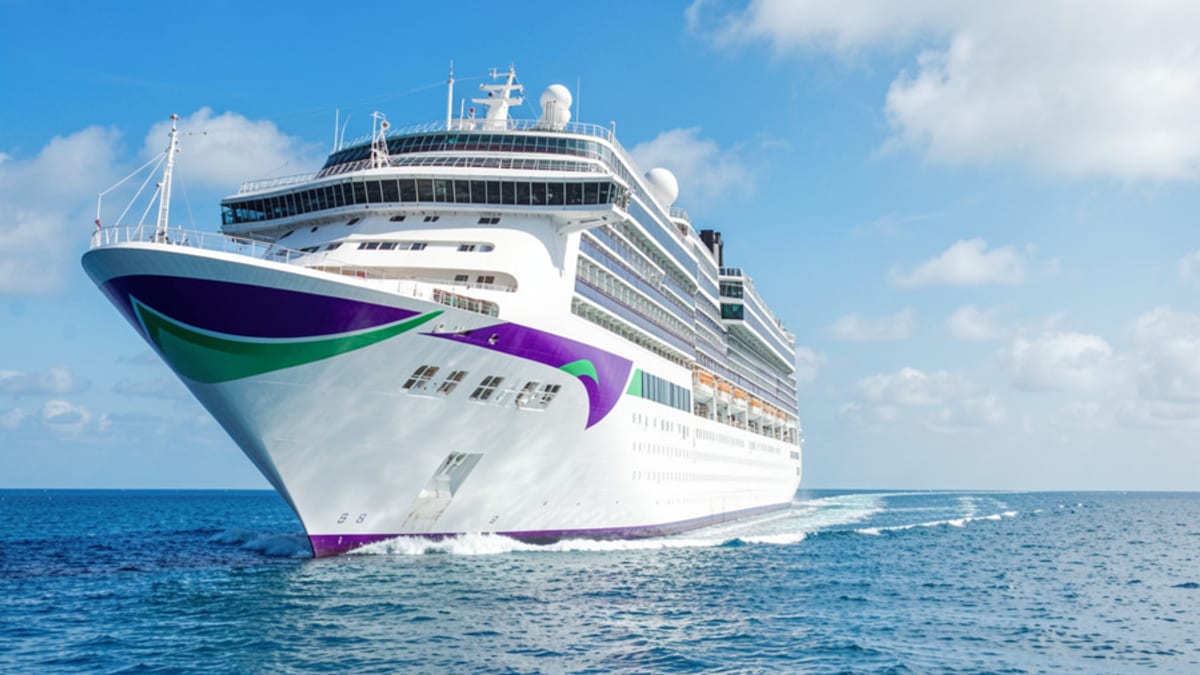
Image by Latest International / Global Travel News, Breaking World Travel News
From Inaugural Bahamian Voyages to a Modern Milestone
Disney Dream entered service in early 2011 as the first vessel in Disney Cruise Line’s Dream class, immediately concentrating on three and four night sailings to Nassau and Disney’s private island, Castaway Cay. Publicly available records show that the ship’s early deployment helped drive a sharp rise in cruise arrivals to the Bahamas, underscoring the economic weight of the family cruise market in the region.
For more than a decade, the ship operated largely from Port Canaveral, Florida, serving as a convenient extension of Walt Disney World holidays and cementing its reputation as the line’s core short break product. The formula blended quick getaways with marquee onboard entertainment and became closely associated with first time Disney cruisers.
As the fleet expanded and new destinations opened, the role of Disney Dream began to shift. Travel industry coverage notes that after more than ten years in Central Florida, the vessel was reassigned to Miami and later rotated through seasonal deployments, signaling a transition from a primarily Bahamas based workhorse to a more flexible, globally mobile ship.
The fifteenth anniversary in 2026 captures this arc in sharp relief, highlighting how the vessel has moved from a largely regional footprint to a platform for itineraries that now extend deep into Europe and other long haul markets.
Europe Emerges as a Second Home for the Iconic Ship
The most visible aspect of Disney Dream’s transformation has been its growing presence in European waters. According to published deployment summaries, the ship undertook its first full European season in 2023, introducing Mediterranean sailings from ports such as Barcelona and Civitavecchia, along with voyages to the British Isles, Scandinavia and the Baltic.
These cruises, typically ranging from seven to twelve nights, broadened the ship’s portfolio beyond warm weather island hopping to include cultural and heritage focused itineraries. Guests could combine classic Disney entertainment with visits to marquee cities, from Rome and Naples to Copenhagen and Oslo, reflecting an effort to appeal to more experienced cruisers and multigenerational family groups seeking longer, itinerary driven trips.
Disney Dream’s European role is set to deepen in the coming years. Itinerary information released for summer 2026 shows the ship homeported in Southampton for a program of Northern Europe and Mediterranean cruises, including routes that link the British Isles with Iberian, French and Italian ports. Additional sailings featuring the Greek Isles and Western Europe underscore how thoroughly the once Bahamas centric ship has pivoted toward continent spanning routes.
Industry observers note that this European deployment dovetails with Disney Cruise Line’s broader expansion, which now sees multiple ships split between North America, Europe and Asia, with Disney Dream positioned as a versatile option for seasonal redeployments as demand shifts across regions.
Longer Sailings Reflect Changing Cruise Demand
The evolution of Disney Dream’s schedule mirrors wider trends in family cruising, where interest has grown in extended itineraries that combine marquee destinations with sea days and themed onboard programming. Early in its career, the ship’s hallmark was the compact three or four night cruise designed to bolt onto a theme park stay. Today, its calendar features more itineraries of seven nights or longer, particularly during European summers.
Travel trade reports indicate that these sailings emphasize varied regional experiences, such as Mediterranean beach ports, historic cities in Western Europe and scenic fjord routes in the north. The combination of destination variety and familiar Disney branding aims to capture families who may have previously chosen mainstream European cruise lines for longer holidays.
The ship’s transition also reflects Disney Cruise Line’s growing fleet, which now includes newer vessels dedicated to short Bahamas and Caribbean routes from Florida ports. With ships such as Disney Wish and upcoming newbuilds positioned to handle high frequency itineraries to Castaway Cay and Disney Lookout Cay at Lighthouse Point, Disney Dream has been freed to pursue more complex deployments without abandoning its family friendly positioning.
As a result, the fifteenth anniversary is not only a marker of time in service but also a snapshot of how the brand is reshaping individual ships to target distinct segments of the cruise market, from first time cruisers to repeat guests seeking new regions.
A Flagship for Disney’s Expanding Global Footprint
Disney Dream’s journey from a Bahamas focused ship to a global traveler takes place as Disney Cruise Line executes one of the most significant expansion phases in its history. Newly delivered and forthcoming vessels are entering service in Florida, on the U.S. West Coast and, for the first time, in Asia, where Disney Adventure is scheduled to operate from Singapore as a year round homeport.
Analysts point out that this enlarged fleet enables a more sophisticated deployment strategy, with different ships tailored to specific regions and trip lengths. Within that matrix, Disney Dream is emerging as a flexible mid size platform, large enough to support the line’s signature entertainment but compact enough to access a range of European and transatlantic ports.
Itinerary announcements for 2026 highlight how the ship now threads together North American and European seasons, repositioning between continents while maintaining a presence in high demand markets. Occasional Caribbean and Bahamas sailings continue to appear on its schedule, but they are now part of a wider roster that includes Northern Europe, the Mediterranean and specialty voyages such as member cruises and chartered sailings.
The fifteenth year therefore underscores Disney Dream’s role as a bridge between the line’s original Caribbean focused era and its current global ambitions, in which multiple continents, private island destinations and a diversified fleet work together to extend the brand’s reach.
What the Next Chapter May Hold for Disney Dream
Looking ahead, deployment patterns and industry commentary suggest that Disney Dream is likely to retain its itinerant character, rotating among European summers, repositioning voyages and select seasons in the Bahamas and Caribbean as new ships assume permanent roles in Florida and Asia.
Observers note that further enhancements to the fleet, coupled with rising interest in family cruising across regions such as the Mediterranean and Northern Europe, could see the ship continue to test new port combinations and niche routes. The presence of multiple newer vessels on short cruises means Disney Dream can be used more strategically for longer sailings aligned with school holidays and peak travel windows.
For travelers, the ship’s fifteenth anniversary highlights an expanded array of choices. A vessel once associated almost exclusively with quick tropical escapes from Port Canaveral now offers an evolving menu of itineraries that may include Greek island hopping, British Isles circuits or coastal journeys that connect Atlantic Europe with the western Mediterranean.
As Disney Cruise Line continues to refine its global network, Disney Dream’s trajectory from Bahamas staple to roaming international ship illustrates how a single vessel can be repurposed over time to follow shifting demand, new fleet additions and the enduring appeal of combining familiar characters with ever wider horizons.