

The Netherlands welcomes millions of visitors each year, from Amsterdam city‑breakers to travelers connecting across Europe. Yet the rules on visas, Schengen stays, passports and forthcoming systems such as ETIAS are evolving, and can be confusing. This guide walks you through who needs a visa for the Netherlands today, how the wider Schengen rules apply, and what to expect over the next few years so you can plan your trip with confidence.
Understanding the Netherlands and the Schengen Area
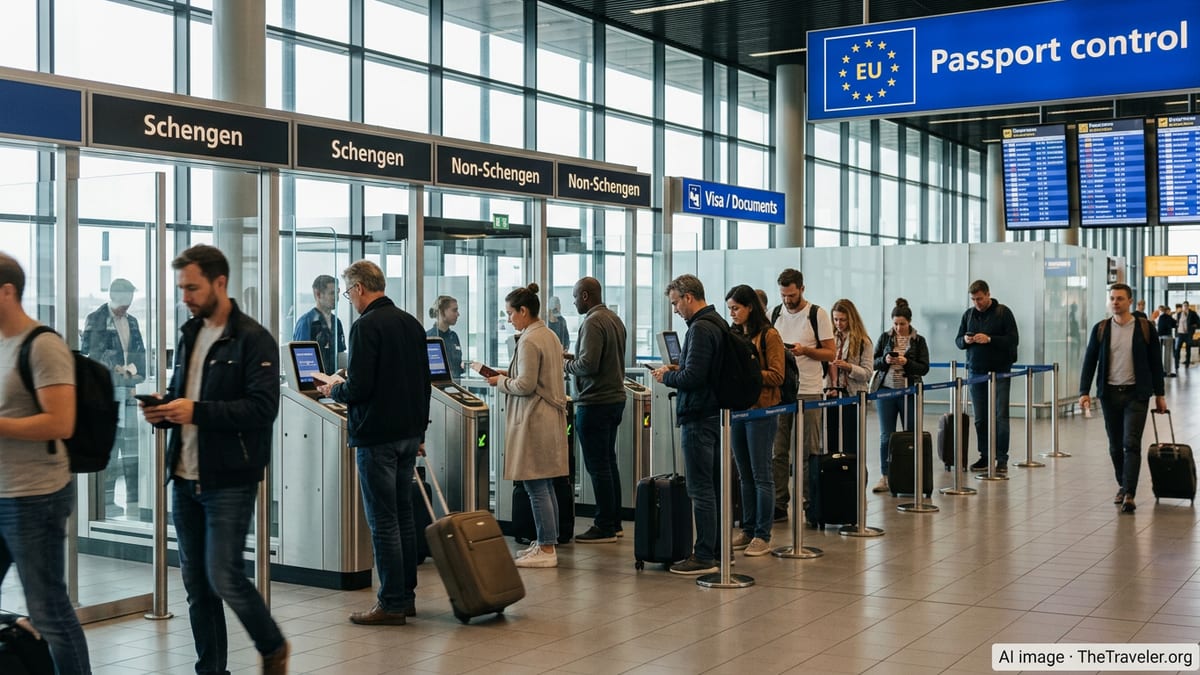
The Netherlands is part of the Schengen Area, a group of European countries that share a common external border and a uniform short‑stay visa policy. In practice, this means that for tourism or other short trips, you typically apply for one Schengen visa and can then move freely between participating countries for the duration of your authorized stay. Border checks between Schengen states are limited, although they can be temporarily reintroduced for security or public policy reasons.
For travelers, the key consequence is that entering the Netherlands usually counts as entering the wider Schengen zone. Your days spent in the Netherlands add to your total time in Schengen, whether you also visit France, Germany, Spain or other member countries. You do not receive a fresh 90 days each time you cross an internal border; it is one shared allowance across almost all of continental Europe.
It is equally important to understand that residency rights and work authorization are not covered by short‑stay Schengen rules. Even if you are allowed to enter visa‑free or hold a valid Schengen visa, this does not automatically entitle you to live, work or study long‑term in the Netherlands. Those activities usually require a separate national permit, applied for through Dutch immigration authorities before or shortly after arrival.
Because Schengen rules are set at European Union level and then implemented nationally, requirements can change over time. Travelers should therefore use this overview as a planning tool and always confirm details with official sources such as the Dutch government or the embassy or consulate responsible for their place of residence before they travel.
Who Can Visit the Netherlands Visa‑Free
Nationals of many countries can travel to the Netherlands without obtaining a visa in advance for short stays. This includes citizens of all other European Union and Schengen states, as well as visitors from a large group of so‑called visa‑exempt countries such as the United States, Canada, the United Kingdom, Australia, New Zealand, Japan and several others. These travelers can normally enter for tourism, family visits or business meetings as long as they respect the general Schengen conditions.
Visa‑exempt visitors are still subject to important rules. They must hold a valid passport, typically with at least several months of remaining validity; they may be asked to show evidence of onward or return travel, proof of sufficient funds for their stay and accommodation details; and they must not appear in any European security database that would make them inadmissible. Border officers always retain the power to refuse entry if they believe conditions are not met.
For these travelers, the classic “90 days in any 180 days” rule applies. In simple terms, you can spend up to 90 days in the entire Schengen Area taken together during any rolling 180‑day period. If you spend 40 days in the Netherlands in spring and 40 days in France in summer, you have already used 80 of your 90 days and have just 10 days left anywhere in Schengen until enough time has passed that earlier days fall outside the 180‑day window. Overstaying can lead to fines, entry bans or difficulties at future border crossings.
Some categories of travelers who are technically visa‑exempt may have additional restrictions. For instance, holders of emergency or temporary passports might not be accepted for visa‑free entry in all circumstances, and travelers with previous immigration violations could face closer questioning. It is advisable to carry supporting travel documents and to allow extra time at border control, particularly at busy airports such as Amsterdam Schiphol.
When You Need a Schengen Visa for the Netherlands
If you hold a passport from a country that is not on the visa‑exempt list, you will generally need a short‑stay Schengen visa to visit the Netherlands for tourism, business, family visits or similar purposes. This visa is commonly known as a Type C visa and allows stays of up to 90 days in any 180‑day period throughout the Schengen Area, including the Netherlands. It is intended for temporary visits only and does not provide a right to work or reside long‑term.
You typically apply for a Schengen visa at the embassy, consulate or external visa center representing the Netherlands in the country where you legally reside. If your main destination is another Schengen country and the Netherlands is only a transit point, you would normally apply to that other country instead. Applicants must usually provide a completed form, passport photographs, a valid passport, travel itinerary, accommodation details, proof of sufficient financial means and travel medical insurance that meets Schengen standards.
Processing times for Schengen visas can vary based on season, location and your personal circumstances, but it is sensible to apply several weeks before your intended departure. In busy periods such as summer or major holidays, appointment availability can be tight and decisions may take longer. Some applicants may be called for an in‑person interview or asked to supply extra documents, particularly if their travel history or funding sources require additional clarification.
A valid Schengen visa will normally indicate the number of entries permitted and the overall period during which you may travel. Even with a multiple‑entry visa, the 90‑day limit within any 180‑day period still applies. Border officials in the Netherlands and other Schengen states can ask to see evidence that you have respected previous stays and can refuse entry if they suspect abuse of the rules, so it is helpful to keep a record of your travel dates and to avoid cutting deadlines too close.
Special Categories: Long‑Stay Visas, Work, Study and Transit
Travelers planning to stay in the Netherlands for more than 90 days, or who intend to work, study or join a family member long‑term, usually need a different type of authorization than a standard Schengen visa. These are commonly referred to as national long‑stay visas or residence permits and they fall under Dutch, rather than purely Schengen, law. Examples include student permits, highly skilled migrant schemes, intra‑company transfers and family reunification visas.
Applying for a long‑stay visa or residence permit generally involves a more detailed assessment of your circumstances. You may need to show admission to a Dutch educational institution, an employment contract that meets salary thresholds, proof of a family relationship or other specific evidence depending on your category. Fees are higher than for short‑stay visas, and processing may take months rather than weeks. In many cases, an employer or educational institution in the Netherlands sponsors part of the process.
Transit situations can have their own rules. Some travelers need an airport transit visa simply to change planes in the Schengen Area without entering through border control, depending on their nationality and route. Others only require a regular short‑stay visa if they plan to leave the international transit zone. Because itineraries and national lists differ, passengers with non‑exempt passports should check their airline’s guidance and the Dutch authorities’ transit requirements well before travel, especially if they have multiple connections in Europe.
Diplomatic and official passport holders, certain family members of EU or European Economic Area citizens and some other narrowly defined groups may enjoy simplified procedures or exemptions. However, these categories are tightly regulated and usually require supporting documentation such as diplomatic notes, residence cards or marriage and birth certificates. Travelers should not assume that general tourist rules apply to them if they fall into one of these special situations.
Current Entry Requirements: Passports, Borders and EES
Regardless of whether you need a visa, there are baseline entry conditions to enter the Netherlands. You must travel with a valid passport or accepted travel document. Many airlines and border agencies recommend that your passport remain valid for at least three to six months beyond your planned departure from the Schengen Area. Your document must be in good condition and, in most cases, issued within the last ten years. National identity cards from other EU or Schengen countries are generally accepted instead of passports for their own citizens.
At border control, officers may ask standard questions about your trip: where you are staying, how long you intend to stay, whether you have a return or onward ticket and how you will finance your visit. They can ask to see hotel reservations, invitations from friends or relatives, proof of travel insurance and evidence of funds such as recent bank statements or credit cards. While not every traveler is asked for all documents on every trip, carrying them reduces the risk of delays or, in rare cases, refusal of entry.
Across the Schengen Area, the European Union has started implementing an electronic Entry/Exit System, known as EES, to record border crossings by non‑EU and non‑Schengen nationals. Instead of relying only on manual passport stamps, EES stores biometric data such as facial images or fingerprints and automatically tracks when a traveler enters and leaves. Over time, this is expected to improve the enforcement of the 90‑day rule and make it easier for authorities to detect overstays or document fraud.
For travelers, the practical impact of EES is likely to be extra time and slightly more formal procedures during the first trip after the system becomes fully operational. You may be directed to automated kiosks where your passport is scanned and your biometrics captured, followed by a brief interaction with a border guard. On later visits, once your data are already in the system, border crossing should be quicker. Nonetheless, it is wise to arrive at the airport earlier than you might have done in the past, especially during the early rollout period.
ETIAS: Europe’s Upcoming Travel Authorization
In addition to existing visa rules, the European Union is preparing a new electronic travel authorization scheme known as ETIAS, short for European Travel Information and Authorisation System. ETIAS is not a visa in the traditional sense; rather, it is a pre‑travel screening requirement for nationals of visa‑exempt countries who wish to visit the Schengen Area, including the Netherlands, for short stays. Once operational, travelers who currently enter with only a passport will need an approved ETIAS authorization before boarding transport to Europe.
As of early 2026, ETIAS has not yet entered into operation. European institutions have repeatedly adjusted the launch timeline to coordinate with the roll‑out of EES and to allow time for technical and legal preparations. The latest public indications suggest that ETIAS is expected to start in the latter part of 2026, with the European Union promising to announce the exact date several months in advance. Until that happens, the existing visa‑free regime remains in place for eligible travelers.
Once ETIAS goes live, most applications are expected to be completed online in a matter of minutes, using a passport, an email address and a payment card. Travelers will answer basic questions about their identity, travel plans and security background. Many applications are likely to be approved automatically and quickly, though some may require manual review and could take longer. An approved ETIAS will be electronically linked to the passport used in the application and should be valid for multiple trips over several years, provided the passport remains valid and the traveler continues to meet the conditions.
For visitors to the Netherlands, the arrival of ETIAS will mean one extra step in trip planning but should not be a major obstacle. It will be important to apply early enough before travel, to use the same passport throughout the journey and to remember that ETIAS does not change the underlying 90‑day limit or convert a tourist stay into a right to work or reside. Travelers who need a Schengen visa will continue to apply for that visa instead of ETIAS, and they will not normally need both at the same time.
Practical Tips to Stay Within the Rules
Because the Netherlands is deeply integrated into the Schengen system, staying compliant with visa and entry rules largely comes down to planning and record‑keeping. Start by confirming whether your nationality is visa‑exempt or requires a Schengen visa. Then map out your itinerary to see how many days you will spend inside the Schengen Area in total, including any side trips to neighboring countries. Online Schengen day calculators can be useful tools, but you should always double‑check your own dates as the ultimate responsibility lies with the traveler.
If you find yourself close to the 90‑day limit, consider adjusting your travel plans by spending some time in nearby non‑Schengen destinations. Popular options include the United Kingdom or certain countries in the Balkans that are not yet part of Schengen. Remember that exiting and re‑entering Schengen does not reset the clock; your stays are measured over a rolling 180‑day period, not per trip. Keeping a simple log of your entry and exit dates can prevent accidental overstays that could cause problems later.
When applying for any type of visa, provide complete and accurate information. Inconsistent travel histories, unclear funding sources or missing documents are common reasons for delays or refusals. If you are unsure about a particular requirement, consult the official guidelines of the Dutch government or the consulate handling your application rather than relying solely on informal advice. For complex cases, such as repeated long visits, planned relocation or past immigration issues, it can be worth seeking tailored legal or professional guidance.
Finally, monitor developments around EES and ETIAS in the months leading up to your trip. Although the broad outlines of these systems are now clear, specific practical details can evolve, including fees, processing times and which border points are fully equipped. Airlines and tour operators will update their procedures as launch dates approach, and reputable news outlets often report on any major changes. Planning ahead, leaving buffer time and staying flexible will make it easier to adapt if new requirements take effect around your travel dates.
The Takeaway
For many travelers, visiting the Netherlands remains straightforward. Citizens of visa‑exempt countries can typically enter without a visa for short stays, while those from non‑exempt countries can apply for a Schengen visa that covers not only the Netherlands but much of continental Europe. In both cases, the cornerstone is the 90‑days‑in‑180‑days rule, which applies across the entire Schengen Area and requires careful attention for frequent or extended visitors.
At the same time, the European Union is modernizing its border management through systems like the Entry/Exit System and the forthcoming ETIAS authorization. These changes are intended to strengthen security and streamline border procedures but introduce new steps that travelers must complete before departure. Understanding what applies to your nationality, your route and your purpose of travel will help ensure that you meet all requirements without last‑minute stress.
Whether you are planning a weekend in Amsterdam, a multi‑country rail journey or a longer academic or professional stay, the key is to verify your status early, apply for any required visas or authorizations in good time and respect the conditions of entry once you arrive. With thoughtful preparation and an eye on upcoming developments, you can focus on enjoying the Netherlands’ canals, culture and coastline rather than worrying about paperwork at the border.
FAQ
Q1. Do I need a visa to visit the Netherlands for a short tourist trip?
In many cases no, if you are from a visa‑exempt country, but you must still meet Schengen entry conditions and respect the 90‑day limit in any 180 days.
Q2. How does the 90‑days‑in‑180‑days Schengen rule work for the Netherlands?
The rule counts all days you spend in any Schengen country, including the Netherlands, during a rolling 180‑day period, with a maximum of 90 days allowed in total.
Q3. When will ETIAS become mandatory for travel to the Netherlands?
As of early 2026, ETIAS has not started yet; current indications point to a launch in late 2026, with the exact date to be announced in advance.
Q4. If I need a Schengen visa, can I use it to visit other countries besides the Netherlands?
Yes. A valid short‑stay Schengen visa for the Netherlands generally allows travel to other Schengen countries, as long as your total stay does not exceed 90 days in any 180 days.
Q5. What documents can Dutch border officers ask for on arrival?
Officers may request your passport, proof of accommodation, return or onward ticket, evidence of sufficient funds and sometimes proof of travel insurance or invitation letters.
Q6. Do I need both a Schengen visa and ETIAS at the same time?
No. ETIAS is designed for travelers who do not need a visa; if you already require and obtain a Schengen visa, you would not normally also apply for ETIAS.
Q7. Can I work in the Netherlands with a tourist‑style Schengen stay or visa‑free entry?
No. Visa‑free entry and short‑stay Schengen visas do not provide a right to work; employment usually requires a separate Dutch work permit or residence authorization.
Q8. What happens if I accidentally overstay in the Netherlands or Schengen Area?
Overstaying can lead to fines, difficulties at the border and possible entry bans, so you should leave before your allowed period ends or seek advice if you realize a problem.
Q9. Do transit passengers through Amsterdam Schiphol need a visa?
Some nationalities require an airport transit visa even if they remain airside, while others do not; requirements depend on your passport and itinerary and should be checked in advance.
Q10. Where should I verify the latest Dutch visa and entry rules before traveling?
You should consult official Dutch government or consular sources and, if relevant, your own country’s foreign affairs or travel advisory service for the most up‑to‑date information.