

Malaysia is one of Southeast Asia’s most accessible destinations, famous for its mix of modern cities, tropical islands and rich cultural heritage. Yet before you can enjoy hawker stalls in Penang or beaches in Langkawi, you will need to understand Malaysia’s current visa and entry rules. This guide walks you through who needs a visa, who is visa exempt, how long you can stay and the key formalities you should complete before you fly.
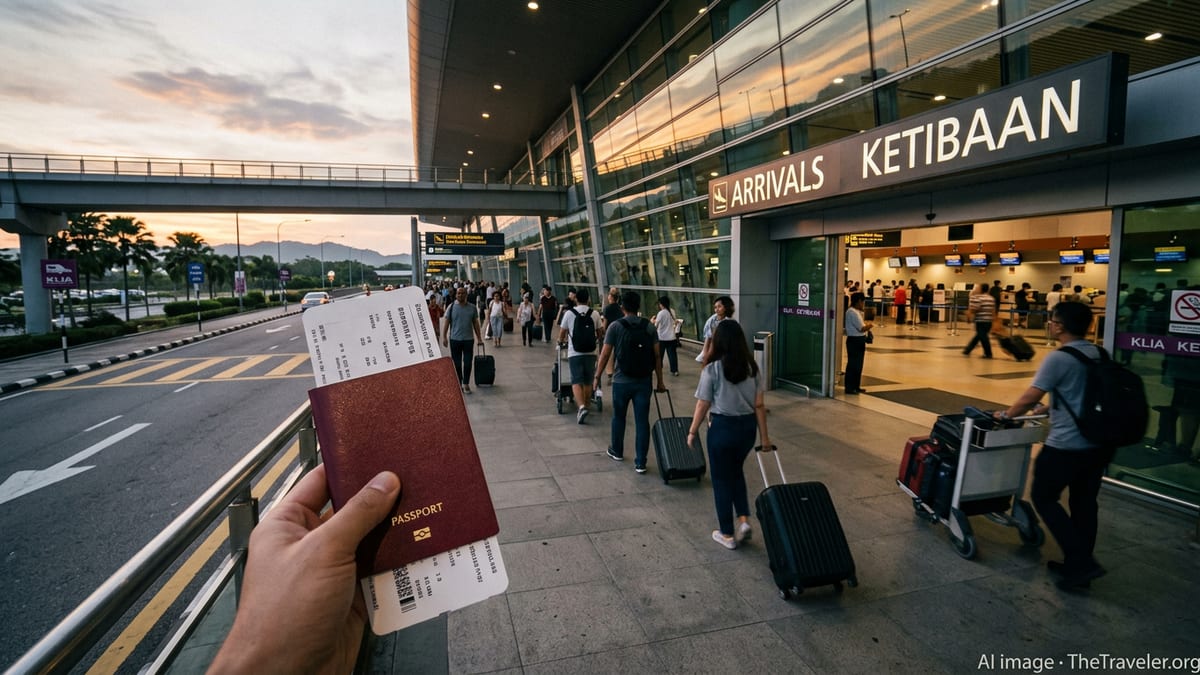
Who Needs a Visa for Malaysia – And Who Does Not
Malaysia operates a relatively liberal visa policy for short visits, especially for tourism and basic business travel. Many travelers can enter visa free for a limited period, while others must obtain an electronic visa or a traditional visa in advance. The exact rules depend on your nationality, purpose of visit and planned length of stay.
Citizens of the United States, Canada, most European Union countries, the United Kingdom, Australia, New Zealand and many other nations can visit Malaysia without a visa for up to 90 days for tourism or short business activities. On arrival, immigration normally issues a social visit pass in your passport that states the maximum duration of your stay. You do not need to arrange a visa in advance, but you must still meet entry conditions such as having a valid passport and onward travel.
Travelers from some countries in Asia, Africa and the Middle East remain subject to visa requirements even for short visits. They may need to apply for an eVisa online or a visa with reference through a Malaysian mission or authorized center before departure. In a few cases, nationals are restricted to entering by air only or must meet extra conditions, such as holding a valid visa or residence permit for another country and flying with specific airlines. Because these lists can change, it is essential to check the latest information directly with Malaysian immigration or your nearest consulate before you book.
Diplomatic and official or service passport holders from certain states may benefit from separate arrangements that waive visa requirements for short stays related to official duties. However, even if you are visa exempt, Malaysian immigration officers at the border make the final decision on whether you may enter and how long you can remain. Having clear documentation that supports your purpose of visit is always advisable.
Visa-Free Entry: How Long Can You Stay?
For many nationalities, Malaysia’s visa-free entry is generous and straightforward, but the allowed length of stay varies. Most travelers from Western Europe, North America and several other regions are granted up to 90 days per entry for tourism or basic business. If you fall into this group, your passport will typically be stamped with a social visit pass valid for three months from the date of arrival.
Other visitors enjoy shorter visa-free stays, commonly up to 30 days. This includes some travelers from neighboring Asian countries as well as visitors benefiting from temporary visa exemption arrangements that Malaysia has introduced to encourage tourism. For example, in recent years Malaysia has extended visa-free entry for certain major markets for stays of up to 30 days per trip, with these schemes currently scheduled to run through the end of 2026, subject to policy changes.
It is important to note that visa-free entry does not mean you can work, study or reside long term in Malaysia. The social visit pass is intended for tourism, visiting friends and relatives, short business meetings and similar low-risk activities. Paid employment, long-term remote work for a Malaysian employer or enrolling in an academic program typically requires an appropriate work, study or long-stay visa obtained in advance.
Travelers sometimes assume that leaving and re-entering Malaysia allows them to stay indefinitely on back-to-back visa-free entries. While some visitors do make frequent trips, immigration officers have wide discretion. If they suspect you are effectively living or working in Malaysia without the correct permit, they may shorten your stay or refuse entry. Keeping your visits clearly within the spirit of tourism and being able to show ties to another country reduces the chance of problems.
Countries That Require a Visa or eVisa
Although many nationalities enjoy visa-free entry to Malaysia, citizens of a significant number of countries must obtain a visa or eVisa before arrival. These requirements are set out by the Immigration Department of Malaysia and updated periodically. They typically apply to a broad group of countries in South Asia, parts of Africa, the Middle East and selected European states that are not covered by broader exemption arrangements.
For these travelers, Malaysia offers several routes. In many cases, you can apply for an official Malaysian eVisa online. The eVisa is usually issued as a single-entry document for tourism or short business visits, valid for a stay of up to 30 days. It is attached electronically to your passport details, although you may be required to carry a printed copy of the approval when you travel. Some nationalities may also be eligible for multiple-entry eVisas, especially if they visit frequently for business.
Other travelers must apply for a visa with reference or visa approval letter before receiving a visa. This involves submitting documents to a Malaysian mission or a designated visa center, and in some cases obtaining prior clearance from immigration authorities in Malaysia. Processing times and required paperwork can vary, but you should expect to provide proof of accommodation, onward or return travel, financial means and sometimes an invitation letter from a host or company in Malaysia.
A small number of countries are subject to stricter rules, such as being allowed to enter Malaysia only by air or needing a visa approval letter even for a short social visit. In addition, some travelers may need to meet extra eligibility conditions, such as holding a valid visa or residence permit from specific third countries. If you come from a country with complex requirements, allowing ample time for your application and carefully following official guidance is essential.
Key Entry Conditions: Passport, Digital Arrival Card and Onward Travel
Even if you do not need a visa for Malaysia, you must meet general entry conditions. Most importantly, your passport should be valid for at least six months beyond your planned date of entry. Many airlines and border officers apply this six-month rule strictly. If your passport is close to expiring, renew it before you travel to avoid being denied boarding or entry.
Malaysia has introduced a digital arrival system known as the Malaysia Digital Arrival Card, often referred to simply as MDAC. Many foreign travelers are required to complete this online arrival form before entering Malaysia. It collects basic information such as your personal details, travel dates, flight information and accommodation address. The MDAC is designed to streamline border procedures and improve security screening. Failing to submit it when required can lead to delays at immigration, and in some cases you may be refused entry until the information is provided.
In addition, you should be prepared to present proof of onward or return travel. Immigration officers may ask how long you intend to stay and request to see a ticket confirming that you plan to leave Malaysia within the permitted time. Hotel bookings, evidence of sufficient funds and travel insurance can also support your case, particularly if your travel plans are long or flexible. While not always requested, having these documents easily accessible can help your entry process run smoothly.
COVID-19 specific measures that were previously in place, such as mandatory testing, vaccine certificates or quarantine requirements, have generally been lifted. However, health regulations can change with little notice. It remains prudent to check for any health-related advisories or requirements in the weeks before you travel, particularly if regional outbreaks occur or if you plan to transit through multiple countries on your way to Malaysia.
Transit Through Malaysia: Do You Need a Visa?
Many long-haul routes between Europe, the Middle East, Asia and Oceania use Kuala Lumpur as a transit point, and Malaysia has created a relatively straightforward system for most transit passengers. If you remain in the international transit area of the airport and do not pass through immigration, you typically do not need a Malaysian visa, regardless of your nationality. Your airline will transfer your checked luggage if both flights are on a single ticket, and you simply proceed to your onward gate.
However, if you need to change terminals, collect and re-check luggage, or if your itinerary involves separate tickets that require you to pass immigration, your situation changes. In that case, visa rules for regular entry apply. Nationals who are otherwise visa exempt can pass through immigration and re-enter the departure area after collecting and re-checking their bags without obtaining a visa in advance. Those from visa-required countries may need a transit visa or may be eligible for a specific short-term transit pass at Kuala Lumpur International Airport, subject to conditions such as holding a visa or residence permit for a third country and flying with designated airlines.
Because transit arrangements can be complex, it is sensible to confirm your exact routing and ticket structure with your airline or travel agent. If you are from a country that requires a visa to enter Malaysia, determine whether your transit will keep you airside or whether you must clear immigration. When in doubt, obtaining a visa or eVisa in advance often provides extra security and flexibility in case of delays or missed connections that force you to clear immigration unexpectedly.
Remember that Malaysia’s immigration officials always retain discretion at the border. Even in a transit situation, they can refuse entry if documentation is incomplete or if there are concerns about your travel history or intentions. Keeping copies of your onward ticket, hotel bookings at your final destination and any relevant third-country visas will help demonstrate that you are a genuine transit passenger.
Overstays, Extensions and Long-Term Stays
Malaysia treats overstaying a visa or social visit pass as a serious matter. If you remain in the country beyond the date permitted in your passport without an approved extension, you may face fines, detention, blacklisting and difficulties returning in the future. In more serious or repeated cases, legal penalties can follow. You should always know the expiry date of your permitted stay and plan your departure or extension well in advance.
Extensions of a social visit pass are sometimes possible, but approval is not guaranteed. You usually need to visit a local immigration office in Malaysia, provide a valid reason for the extension and show that you can support yourself financially during the additional period. Documentation such as updated flight bookings, proof of accommodation and in some cases a letter from a Malaysian host or organization may be requested. Processing can take time, and not all offices handle the same categories of applications, so it is wise to research procedures in the region where you are staying.
If you wish to remain in Malaysia long term for work, study, family reasons or remote work arrangements, a different visa category will typically apply. This might involve securing a job offer from a Malaysian employer who can sponsor a work permit, enrolling in an approved educational institution or qualifying for a specific long-stay or talent program. These processes are separate from tourist or social visit stays and generally must be completed before you enter Malaysia or before changing your status within the country.
Repeatedly exiting and re-entering Malaysia on back-to-back short stays in order to live there informally is discouraged. Immigration officers monitor travel patterns and can shorten your permitted stay or deny entry if they conclude that you are using visa-free access inappropriately. A transparent approach that aligns your immigration status with your real activities in Malaysia is the safest way to avoid trouble.
Practical Tips to Make Entry into Malaysia Smoother
Because Malaysia’s visa and entry regime is relatively open, many travelers arrive assuming everything will be automatic. In practice, a small amount of preparation can greatly reduce the risk of delays or awkward questions at immigration. Start by checking your passport validity and ensuring you have at least six months left beyond your arrival date, plus enough blank pages for entry and exit stamps. If your passport is near expiry, renew it before planning your trip.
Complete the Malaysia Digital Arrival Card, if required for your nationality and entry mode, several days before you fly. Double-check that the personal details, passport number and travel dates exactly match your booking and official documents. Take a screenshot or printout of the confirmation, even if the system says it is stored electronically. Being able to show proof of completion at the border can be helpful if any technical issues arise.
Print or save offline copies of your accommodation reservations, return or onward ticket, and travel insurance policy. While immigration officers may only briefly look at these, having them ready on your phone or in paper form signals that you are a well-prepared visitor. For longer trips, it can also help to carry a bank statement or other evidence of sufficient funds, in case you are asked how you plan to support yourself while in Malaysia.
Finally, keep in mind that immigration interviews are usually quick and practical. Answer questions clearly and honestly, use simple language to describe your plans, and avoid joking about sensitive topics such as work, visas or law enforcement. If you are entering visa free, emphasize that your visit is temporary and that you have concrete plans to leave on or before the date permitted in your passport stamp.
The Takeaway
For many travelers, Malaysia is one of Southeast Asia’s easiest countries to visit from a visa perspective. Large numbers of nationalities, including citizens of the United States, Canada, most of Europe and a range of other countries, can enter visa free for up to 90 days for tourism and basic business. Others enjoy shorter visa exemptions, often up to 30 days, under bilateral agreements or temporary tourism schemes.
At the same time, a substantial group of countries still requires a visa or eVisa for even short visits, and a smaller subset faces additional restrictions such as air-only entry or prior approval letters. Across all categories, travelers must respect general entry conditions: a passport with adequate validity, completion of any required digital arrival forms and proof of onward travel or sufficient funds if requested.
Visa rules and health policies can and do change. While this guide reflects the situation as of early 2026, travelers should verify the latest information with the Malaysian Immigration Department or their nearest Malaysian mission shortly before departure. With a bit of advance research and careful documentation, your arrival in Malaysia is likely to be quick, smooth and worry free, allowing you to focus on the food, culture and scenery that make the country so rewarding to explore.
FAQ
Q1. Do I need a visa to visit Malaysia as a tourist?
In many cases you do not, especially if you hold a passport from the United States, Canada, most of Europe, the United Kingdom, Australia or similar countries. These travelers are typically allowed to enter visa free for a limited period, usually up to 90 days, for tourism and short business. However, citizens of certain Asian, African and Middle Eastern countries do need a visa or eVisa in advance, so you should always check based on your specific nationality.
Q2. How long can I stay in Malaysia without a visa?
The permitted visa-free stay depends on your nationality. Many visitors from North America, Western Europe and several other regions receive up to 90 days per entry. Others, including some Asian markets enjoying temporary visa exemption programs, are allowed up to 30 days. The exact number of days will be indicated on the entry stamp or social visit pass placed in your passport on arrival.
Q3. What is the Malaysia Digital Arrival Card and do I have to fill it out?
The Malaysia Digital Arrival Card, often called MDAC, is an online arrival form introduced to streamline border processing and enhance security. Many foreign travelers entering Malaysia must complete it before arrival, providing basic personal and travel details. Requirements can vary by nationality and entry mode, so you should check whether you are obliged to submit the MDAC for your trip and complete it a few days before you fly.
Q4. Can I work in Malaysia on a tourist or social visit pass?
No. A tourist or social visit pass, including visa-free entry, does not allow you to work, run a business in Malaysia or take up paid employment with a local employer. If immigration suspects you are working illegally, you can be refused entry, detained or deported. To work legally in Malaysia, you need an appropriate work visa or permit, usually sponsored by an employer, approved before or during your stay.
Q5. What happens if I overstay my allowed period in Malaysia?
Overstaying your permitted period in Malaysia is treated seriously. You may face fines, detention, blacklisting, difficulty returning in the future and other legal consequences, especially in cases of long or repeated overstays. If you realize you cannot leave before your permission expires, you should contact the Immigration Department promptly to ask about extension options rather than simply staying on without approval.
Q6. Can I extend my stay in Malaysia beyond the initial entry stamp?
In some circumstances, it is possible to apply for an extension of a social visit pass at a local immigration office, but approval is not automatic. You will usually need to provide a valid reason, such as medical issues or exceptional personal circumstances, and show proof of funds, accommodation and updated travel plans. Not all categories of visitor or nationalities are eligible, so you should not rely on an extension as part of your basic trip planning.
Q7. Do I need a visa for a transit stop in Kuala Lumpur?
If you remain airside in the international transit area and your flights are on a single ticket, you typically do not need a visa for a short transit through Kuala Lumpur. If you must pass immigration, change terminals landside, collect luggage or stay overnight outside the airport, standard entry rules apply. Visa-exempt travelers can normally enter without arrangements in advance, while visa-required nationals may need a transit visa or could qualify for a special short-term transit facility, depending on their circumstances.
Q8. What documents should I carry to ensure smooth entry into Malaysia?
You should carry a passport valid for at least six months beyond your date of entry, with blank pages for stamps. It is also wise to have a printed or digital copy of your Malaysia Digital Arrival Card confirmation if required, return or onward travel tickets, hotel reservations or proof of accommodation, travel insurance details and evidence of sufficient funds. Having these documents ready makes immigration checks faster and helps if you are selected for additional questioning.
Q9. Are COVID-19 tests or vaccination certificates still required to enter Malaysia?
As of early 2026, Malaysia has lifted the broad COVID-19 entry measures that once applied, and travelers generally do not need to show test results or vaccination certificates for routine entry. However, health rules can evolve in response to outbreaks or new variants, and airlines may impose their own conditions. You should review the latest official advisories and your airline’s policies shortly before travel.
Q10. Where should I check the latest visa rules for Malaysia before I travel?
Because visa policies and entry rules can change, the most reliable sources are the Immigration Department of Malaysia and official Malaysian embassies or high commissions in your country. Many of them publish up-to-date visa requirements by nationality and information on systems such as the digital arrival card and eVisa. It is sensible to confirm these details a few weeks before your trip and again close to departure, especially if you are from a country with visa requirements or special conditions.