

More news on this day
Escalating tensions and intermittent airspace closures across parts of the Middle East are disrupting key aviation corridors ahead of peak holiday season, leaving travelers scrambling to understand whether their insurance will cover lengthy delays, rerouting and unexpected hotel bills.
Get the latest news straight to your inbox!
A Region at the Center of Global Flight Disruption
Recent conflict developments and missile incidents affecting airspace over Iran, Israel and neighboring countries have turned the Middle East’s major hubs into chokepoints for global aviation. Travel advisories describe waves of cancellations and diversions at airports in the Gulf and wider region, with reports indicating that thousands of flights have been rerouted or grounded over safety concerns.
Industry and risk advisories published in March 2026 highlight intermittent disruption at airports in states including Saudi Arabia and the United Arab Emirates as airlines adjust routings to avoid higher-risk airspace. Some carriers have temporarily suspended services on certain routes, while others are operating with extended flight times, technical stops or last-minute schedule changes.
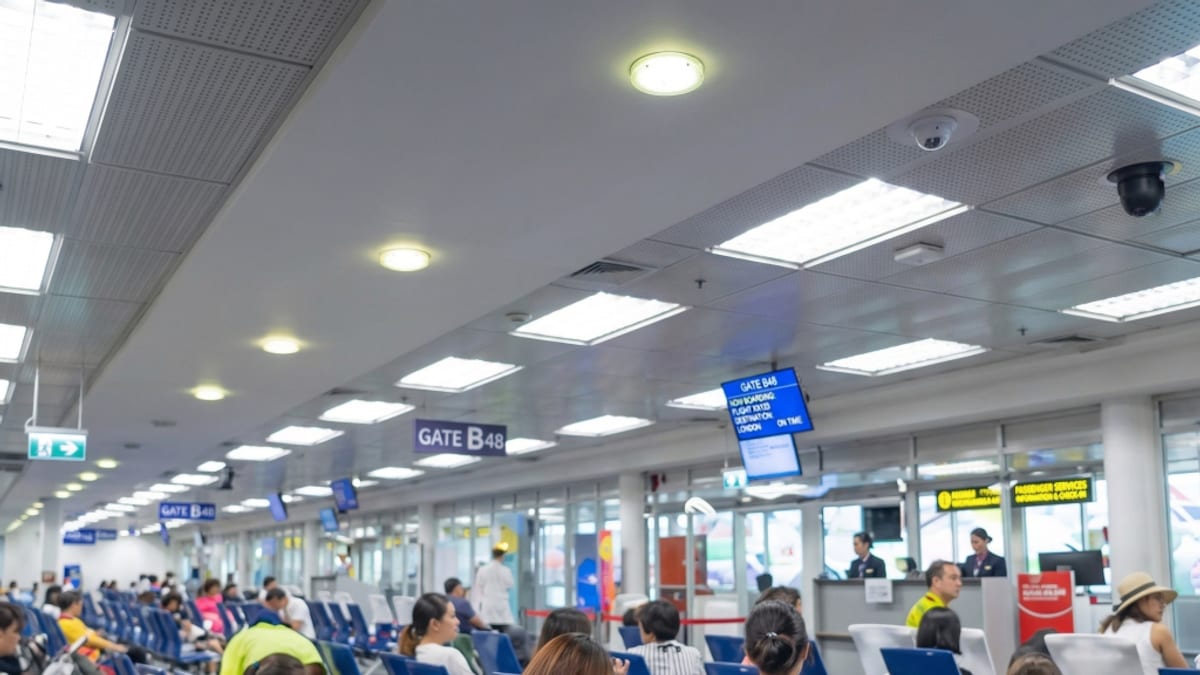
For passengers, the result is a spike in missed connections, long layovers, and nights unexpectedly spent in transit hotels. Many holidaymakers discover only at the airport that their original itinerary is no longer viable, and that they may have to pay out of pocket for meals, transport and accommodation while they wait for a new flight.
Against this backdrop, travel insurance policies that once felt like a formality are coming under intense scrutiny as travelers try to recoup costs and salvage their plans.
What Standard Travel Insurance Typically Covers for Delays
Most mainstream travel insurance products include a benefit often described as trip delay or travel delay cover. Policy summaries from major insurers and comparison platforms indicate that this benefit is designed to reimburse reasonable additional costs when a common carrier is delayed for a specified minimum time, frequently in the range of six to twelve hours.
Eligible expenses can include hotel stays, meals, local transport and essential toiletries purchased during the delay, up to a per-day and per-trip maximum. In some cases, policies also cover the cost of catching up with a tour or cruise, or paying change fees on onward tickets, as long as travelers keep receipts and the disruption falls within the listed insured reasons.
Consumer-facing guidance notes that these delay benefits are generally intended for routine operational problems such as severe weather, mechanical issues, or crew shortages, provided the event is not otherwise excluded. Travelers who buy cover through premium credit cards may have similar protections under embedded trip delay benefits, again subject to minimum delay thresholds and strict documentation requirements.
Separate from delay cover, many policies reimburse unused, non-refundable trip costs if a journey has to be cancelled or cut short for specified reasons. That might help if a traveler decides not to depart at all, but it usually does not pay for the full cost of replacing flights once a trip is already underway.
Where War and Security Exclusions Leave Gaps
The main problem for passengers caught up in the current Middle East disruption is that most travel insurance contracts contain broad exclusions for war, invasion, insurrection and similar hostilities. Policy documents typically state that losses arising directly or indirectly from war or acts of war are not covered, regardless of whether war is formally declared.
As a result, when flights are cancelled or rerouted because of missile activity, airspace closures or military action, insurers often classify the disruption as a security or war-related event that falls outside standard trip delay or cancellation benefits. Recent coverage in financial and travel media has highlighted cases of travelers stranded due to the Iran conflict being told that replacement tickets and extra hotel nights are not claimable under their policies.
Travel rights explainers focused on the Middle East crisis stress that, in these scenarios, passengers usually need to rely on what the airline provides: rebooking onto later services, rerouting via alternative hubs, or issuing refunds where flights are cancelled outright. Where airlines only offer a refund or a limited credit, the shortfall in cost for last-minute alternative flights commonly sits with the traveler, not the insurer.
Specialist insurance products that include war or security risk cover are available, but these tend to be niche, higher-premium options purchased by corporate travelers or organizations with duty-of-care obligations. For most leisure travelers, standard retail policies remain subject to the broad exclusions now being tested by the Middle East disruption.
How Passenger Rights and Insurance Interact
Confusion is compounded by the fact that airline passenger rights frameworks and travel insurance operate independently. In the European Union and the United Kingdom, regulations derived from EU261 set out when airlines must provide care and compensation for long delays and cancellations, although there are exemptions when disruptions are caused by extraordinary circumstances such as security risks or airspace closures.
Consumer guidance published in response to the current Middle East situation notes that passengers on flights departing the UK or EU, or operated by UK or EU carriers, may be entitled to meals, refreshments and hotel accommodation during extended delays, even when airlines are not required to pay cash compensation. However, if a journey falls outside those jurisdictions, or is operated by non-European carriers, these statutory protections may not apply.
In the United States, publicly available information from the Department of Transportation shows that airlines must provide refunds when they cancel or significantly change a flight and the passenger chooses not to travel, but there is no federal requirement to cover hotels or meals during disruptions. Instead, U.S. airlines set out voluntary customer service commitments, which often do not extend to events beyond their control, including war-related airspace closures.
Travel insurance sits on top of these frameworks rather than replacing them. Insurers generally expect travelers to seek all available help from airlines first. Only once carrier obligations have been exhausted does a policy potentially contribute, and then only if the cause and type of loss are covered within the wording.
Practical Steps to Protect Upcoming Holidays
Advisories issued by regulators, risk consultancies and travel organizations all emphasize one basic point for anyone planning to travel through the Middle East in the coming months: check the fine print well before departure. That starts with understanding which flights are routed over or through higher-risk airspace and whether airlines are already offering flexible rebooking options for affected destinations.
Travel insurance documents should be reviewed line by line, focusing on sections headed exclusions, war and terrorism, trip delay, missed connection and travel disruption. Some policies include limited cover for widespread disruption at major hubs, while others state explicitly that delays linked to war or government airspace closures are excluded. Travelers considering new policies may find that some insurers have updated wording or introduced specific alerts addressing the current crisis.
Another key step is to keep evidence. In recent disruption events, insurers and travel rights groups have stressed the importance of retaining airline notifications, boarding passes, receipts and written confirmations of what assistance was or was not provided at the time of delay. Without this paper trail, successful claims become more difficult, even where cover might otherwise exist.
Finally, experts in consumer travel law encourage holidaymakers to build extra resilience into itineraries that rely on Middle East hubs. That can mean longer connection windows, avoiding last departures of the day where possible, and booking flexible fares or hotel rates that can be changed without heavy penalties. While these precautions do not remove the risk created by geopolitical tensions, they can reduce the financial shock if flights are suddenly delayed or rerouted outside the scope of standard travel insurance.