

More news on this day
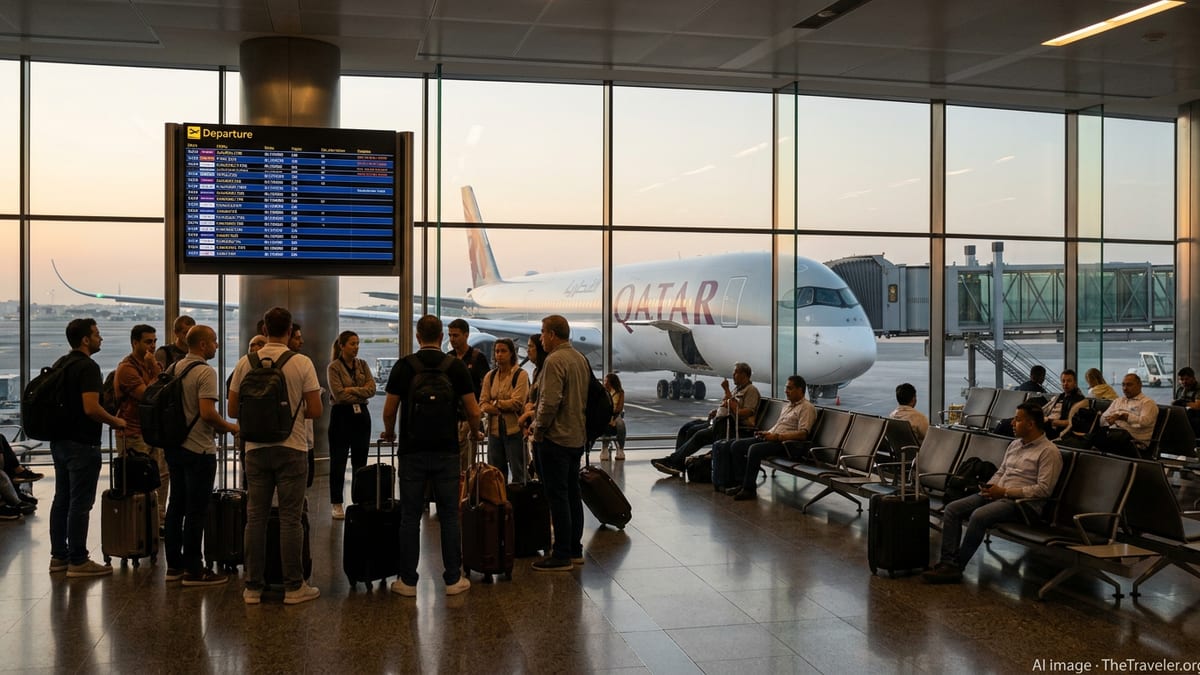
Qatar Airways has begun operating a narrow lifeline out of Doha, announcing a series of emergency repatriation flights to major European hubs after securing a temporary safe corridor through closed Qatari airspace.
Emergency Corridor Opens Amid Regional Airspace Shutdown
Scheduled passenger services at Hamad International Airport remain largely frozen after Qatari airspace was closed as part of wider regional security restrictions linked to the escalating Iran conflict. For days, thousands of travellers transiting through Doha have been stranded in hotels and terminals, unable to continue their journeys as airlines cancelled or diverted flights across the Gulf.
On Saturday, Qatar Airways confirmed it had received temporary authorisation from the Qatar Civil Aviation Authority to operate a limited relief corridor, allowing tightly controlled movements in and out of Doha for repatriation purposes. The approval does not amount to a full reopening of airspace, but it grants the flag carrier specific, short-lived windows to move passengers who have been unable to leave the country.
The move follows mounting diplomatic pressure from European governments and growing frustration among travellers stuck in the Qatari capital, many of whom had already completed part of their journeys before the shutdown was announced. Airlines and consular teams have described the situation as one of the most complex aviation disruptions in the region in recent years.
Limited Repatriation Flights to Key European Hubs
Under the emergency plan, Qatar Airways is operating a cluster of repatriation flights from Doha on March 7 to five major European gateways: London Heathrow, Paris Charles de Gaulle, Madrid Barajas, Rome Fiumicino and Frankfurt. The airline has described the operation as a one-day relief corridor, with seats prioritised for vulnerable passengers and those with urgent need to travel.
The carrier has also secured permission to run reciprocal services into Doha on March 8 from the same European hubs, along with a flight from Bangkok, primarily to return residents and connect stranded passengers with onward options. These inbound flights remain strictly controlled and are not part of a broader resumption of normal schedules.
Qatar Airways has stressed that customers should not travel to Hamad International Airport unless they have been directly notified of a confirmed booking on one of the relief flights. Instead, affected passengers are being contacted individually with flight numbers, timings and check in instructions as capacity becomes available.
Stranded Travellers Face Long Waits and Uncertain Timelines
For many travellers, the relief corridor offers some hope but not an immediate solution. Seats on the first departures are limited, and the airline is using internal priority lists to determine who boards, focusing first on families with young children, elderly passengers and those with medical or compassionate reasons to travel.
Others stuck in Doha and at outstations across Asia and the Middle East have been told they may need to wait for additional relief services or be rebooked once regular operations can safely resume. Some European passengers are simultaneously seeking advice on their rights under consumer protection rules, while also weighing whether to accept rerouting via alternative carriers if space opens up.
In online forums, accounts from those stranded describe long queues at service desks, busy phone lines and difficulty accessing real time information. While Qatar Airways has expanded its travel alerts and published special guidance for tickets impacted by the security situation, the scale of the disruption means many customers still lack clear timelines for their eventual departure.
Operational and Diplomatic Balancing Act for Qatar
The carefully calibrated corridor highlights the balancing act facing Qatari authorities as they attempt to maintain aviation safety while responding to humanitarian and diplomatic pressure. Approving a narrow route and specific flight slots allows regulators to manage security risk while easing some of the most acute hardship for passengers trapped in transit.
The operation also underscores the pivotal role of Doha as a global hub. With Qatar Airways normally connecting Europe, Asia, Africa and the Americas through dense daily schedules, the airspace shutdown has had outsized ripple effects on travellers far beyond the Middle East, including those who began their journeys in Europe or North America.
For Qatar Airways, the repatriation effort is both a logistical challenge and a test of its reputation as a long haul connector. Aircraft and crew must be carefully positioned to operate isolated relief rotations, while the carrier coordinates with foreign governments and airport authorities in multiple countries to ensure security procedures are met at each end of the corridor.
What Passengers Should Expect in the Coming Days
With no firm date yet announced for the full reopening of Qatari airspace, travellers are being urged to treat the current repatriation flights as a limited, emergency measure rather than a signal that normal schedules are returning. Qatar Airways has said regular operations will remain suspended until regulators deem the regional security environment stable enough to support wider commercial traffic.
Passengers with existing bookings are being advised to monitor official airline communications rather than rely on third party updates, and to ensure their contact details are current to receive any rebooking offers. Those without urgent travel needs may find it more practical to postpone trips or accept refunds where available, freeing scarce seats for travellers with pressing reasons to fly.
Industry analysts say additional relief corridors could be authorised if the security situation drags on and diplomatic negotiations allow for new safe routes to be carved out. For now, however, Doha’s lifeline to Europe remains a narrow one, and thousands of travellers are still waiting for their own chance to board a long delayed flight out of Qatar.