

More news on this day
Dozens of flights at Detroit Metropolitan Wayne County Airport were disrupted on April 11, leaving passengers to navigate cascading delays and cancellations amid a wider pattern of schedule upheavals across the United States.
Get the latest news straight to your inbox!
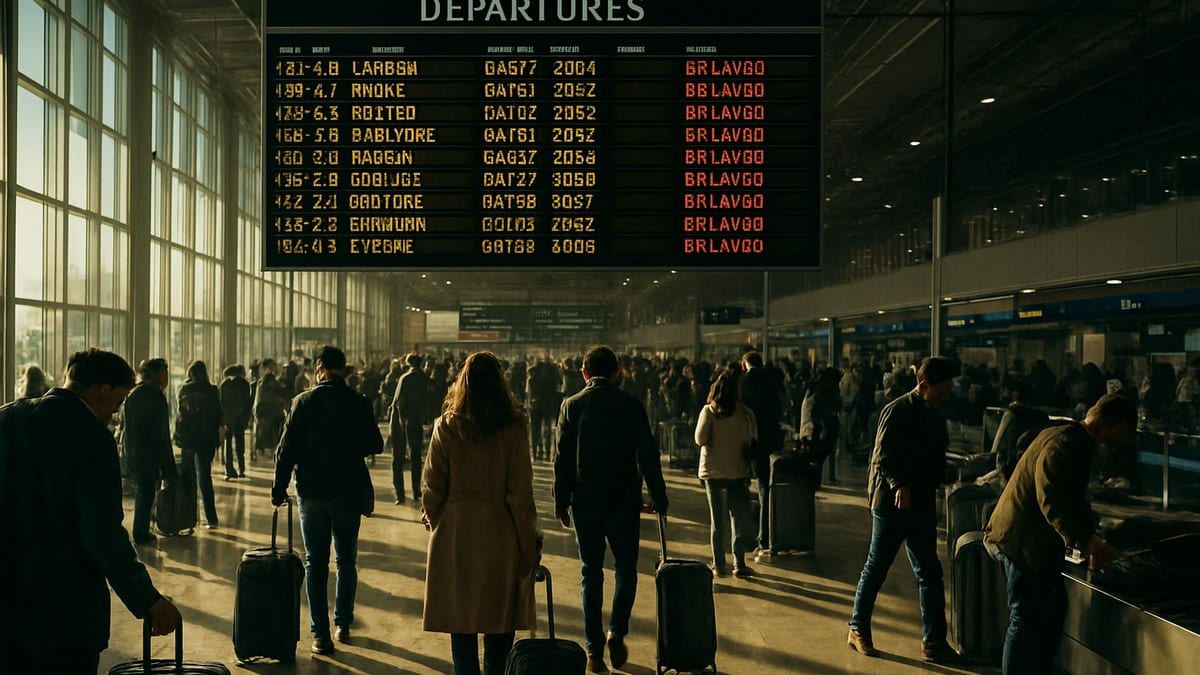
Delays and Cancellations Mount at Detroit Hub
Publicly available flight-tracking data and industry reports indicate that Detroit Metro, one of the Midwest’s busiest hubs, experienced significant disruption on April 11. Travel-focused outlets monitoring airport performance reported more than one hundred delays and several cancellations affecting departures and arrivals at Detroit Metropolitan Wayne County Airport, with impacts felt throughout the day across both domestic and international routes.
Coverage in travel industry media noted that more than 110 flights connected to Detroit Metro were delayed and a smaller number canceled, affecting major carriers that use the airport as a hub or focus city. The disruptions involved services to and from key markets such as New York, Chicago, Atlanta, Toronto, and Los Angeles, amplifying the impact on connecting passengers.
Observers of airline operations described the April 11 pattern at Detroit as part of an evolving situation, in which early schedule slippages can shift from modest delays to outright cancellations as the operating day progresses. As aircraft and crews fall out of position, even minor issues in the morning can translate into more severe disruption by afternoon and evening.
Part of a Wider Wave of U.S. Flight Disruptions
The problems at Detroit Metro on April 11 unfolded against the backdrop of broader turbulence in the national air travel system. National tallies compiled by travel news outlets for the same day pointed to more than 3,000 delayed flights and over 100 cancellations across the United States, with high volumes and operational pressures concentrated at major hub airports.
In the 24 hours surrounding Detroit’s disruptions, separate coverage highlighted heavy delay and cancellation totals at airports including Chicago O’Hare, Atlanta, Los Angeles, Houston, and other large hubs. Earlier reports from April 10 also described notable problems at Boston, Denver, San Francisco, and Detroit, indicating that the Midwest hub was already under strain leading into the weekend.
Aviation analysts note that when several major airports simultaneously register elevated delay levels, effects tend to ripple quickly through the network. Detroit’s role as a critical connecting point for Upper Midwest, Canadian, and transcontinental routes makes it particularly vulnerable to knock-on impacts from disruptions in other regions.
Weather, Volume, and Operational Constraints
Local forecasts around Detroit on April 10 and 11 pointed to showers and cooler-than-average temperatures, but not to a severe storm directly over the airport. As a result, the picture that emerges from published data is one of multiple overlapping factors, rather than a single headline weather event, driving delays.
Detroit Metro’s own public materials underscore that weather conditions at departure and destination airports, as well as en route, remain a leading cause of delays nationwide. Even when skies appear relatively calm over southeastern Michigan, issues such as low visibility, thunderstorms, or ground stops elsewhere in the network can quickly tie up aircraft and crews scheduled to pass through Detroit.
Operational constraints also continue to play a role. Industry observers point to tight aircraft utilization, staffing challenges in some parts of the aviation system, and the lingering effects of earlier winter storms that disrupted schedules and repositioning of fleets in January and March. In such an environment, a spike in volume at the start of a busy spring travel weekend can exacerbate small schedule deviations and turn them into larger disruptions.
Passenger Experience at a Key Midwest Gateway
For travelers at Detroit Metro on April 11, the statistical disruptions translated into long waits at gates, crowded boarding areas, and shifting departure times on display boards. Reports from travel media indicated that affected flights included both short regional hops and longer domestic legs, complicating travel plans for those relying on tight connections.
Detroit’s role as a primary hub for several large carriers meant that misconnected passengers often faced limited same-day alternatives once delays cascaded. Industry coverage suggested that some travelers were rerouted through other hubs, while others were rebooked onto later Detroit departures as seats became available.
Observers of passenger flows note that Detroit Metro typically functions as a relatively smooth and navigable airport, which can mitigate some of the stress during irregular operations. However, when dozens of flights encounter issues in a compressed time frame, even well-designed terminals and efficient security checkpoints can feel crowded as travelers seek updated information, meal options, and power outlets while they wait.
Guidance for Travelers Navigating Ongoing Disruptions
Given the continued volatility in flight operations across the United States this spring, travel publications and consumer advocates emphasize preparation for anyone passing through Detroit Metro and other major hubs. Common recommendations include monitoring flight status closely through airline apps, enabling notifications, and checking airport information dashboards before leaving for the terminal.
Analysts also highlight the value of building in longer connection times, particularly at hub airports such as Detroit, where a missed link can mean substantial delays in reaching a final destination. Passengers are frequently advised to travel with essential items in carry-on bags, including medications and important documents, in case checked luggage is delayed when schedules unravel.
Airline policy summaries published by consumer outlets note that when flights are canceled or significantly delayed for reasons within carrier control, travelers may be eligible for rebooking options or refunds. On high-disruption days like April 11, understanding these policies in advance can help passengers make quicker decisions about whether to wait for a later Detroit departure or request alternative arrangements.