

Connecticut might be a small New England state, but driving here comes with its own mix of dense traffic, fast-moving interstates, wintry storms, and tightly enforced rules of the road. Whether you are a resident commuting daily or a visitor road-tripping across New England, understanding Connecticut’s driving laws, seasonal road conditions, and local habits will make your time behind the wheel far safer and less stressful.
Licensing Basics and Who Can Drive in Connecticut
Before you drive in Connecticut, you need to be properly licensed. Residents who are 16 and older must start with a learner’s permit, pass a written knowledge test based on the state driver’s manual, and complete a vision screening at the Department of Motor Vehicles. New adult drivers 18 and older also begin with an adult learner’s permit before moving on to a full license, while those already licensed in another U.S. state or certain foreign countries can usually transfer their license after basic identity and residency checks.
Teen drivers face some of the strictest graduated licensing rules in the region. A 16 or 17 year old must hold a learner’s permit, practice driving with an experienced, licensed adult, and complete state-approved driver education before taking the on-the-road skills test. Connecticut regularly revises its training and safety requirements, including new programs that emphasize highway work zone awareness and roadside safety for young drivers, a reflection of how seriously the state treats novice driver education.
Visitors can generally drive in Connecticut with a valid license from their home state or country for short stays, as long as the license is unexpired and written in English or accompanied by an accepted translation. Out-of-state learner’s permits, however, are not directly transferable and may be subject to different restrictions. If you are relocating to Connecticut permanently, you are expected to transfer your license within a reasonable period, typically within a few months of establishing residency.
Regardless of where your license is from, Connecticut expects every driver to know and follow local rules, including speed limits, right-of-way expectations at intersections and crosswalks, and strict bans on impaired or distracted driving. Ignorance of state-specific laws is not considered a defense if you are stopped or involved in a crash.
Core Traffic Laws: Speed, Seat Belts, and Right of Way
Connecticut’s speed limits are comparable to much of the Northeast, but enforcement can be active, especially on busy routes like Interstates 84, 91, and 95. Urban interstates and expressways often post limits around 55 miles per hour, with some rural stretches higher, while two-lane state roads commonly range between 35 and 45 miles per hour. Residential neighborhoods and downtown areas may be posted even lower, particularly near schools or pedestrian-heavy zones. Speed limits can change quickly, so drivers should watch closely for signs, especially when exiting highways or entering small towns.
Seat belt use is required for most vehicle occupants. Front-seat passengers must be belted at all times, and specific child restraint rules apply depending on age, weight, and height, often requiring appropriate car seats or booster seats. Teen drivers face especially tight seat belt enforcement and passenger limits as part of Connecticut’s graduated licensing system, and violations can lead to license suspensions or hefty fines in addition to standard penalties.
Right-of-way rules are designed to protect pedestrians, cyclists, and other vulnerable road users. Drivers must generally yield to pedestrians in marked crosswalks and when turning across sidewalks or crosswalks at intersections. In many Connecticut towns, downtown crosswalks are frequent and heavily used, and motorists are expected to slow down and anticipate people stepping off the curb. At four-way stops, the standard rule applies: the first vehicle to arrive proceeds first, and if two arrive at the same time, the driver on the right typically has the right of way.
On multilane roads, keep right except when passing, and move over for emergency vehicles and road workers whenever possible. Connecticut also follows “Move Over” rules, expecting drivers to slow down and, if safe, change lanes away from stopped emergency or service vehicles with flashing lights on the shoulder. Enforcement has increased in recent years as part of a broader effort to reduce crashes in work zones and roadside incidents.
Distracted and Impaired Driving: What Is Strictly Prohibited
Connecticut has a firm stance on distracted driving, particularly when it comes to mobile phones. Hand-held cell phone use while driving is prohibited for most drivers, and people under 18 face even tighter limits, often being barred from using phones or other mobile electronic devices at all while driving, even with hands-free accessories. Reading, writing, or sending text messages is treated as a serious offense, and fines can escalate quickly for repeat violations or if distracted driving contributes to a crash.
Drivers are also expected to avoid any distraction that interferes with the safe operation of a vehicle. That can include adjusting in-vehicle electronics, eating, or engaging in activities that take attention away from the road. While officers most commonly cite mobile phone use, they can also issue tickets for other behavior that clearly compromises safe driving. The practical rule for visitors and residents alike is simple: keep your hands on the wheel and your eyes and mind on the road.
Impaired driving laws are equally strict. Operating under the influence of alcohol or drugs is aggressively enforced, with penalties that may include fines, license suspension, ignition interlock requirements, and potential jail time, particularly for high blood alcohol levels or repeat offenses. Connecticut law does not distinguish kindly between alcohol and illegal drugs, and drivers can also face consequences for impairment linked to some prescription or over-the-counter medications if those substances clearly affect driving ability.
Sobriety checkpoints may appear on busy holiday weekends or during targeted enforcement campaigns. If you plan to enjoy Connecticut’s restaurants, breweries, or nightlife, arranging a sober driver, rideshare, or taxi is the safest choice. Even a first offense can be financially and legally devastating, and the state’s message to motorists is unambiguous: if you are drinking or otherwise impaired, do not drive.
Seasonal Road Conditions: Winter, Coastal Weather, and Construction
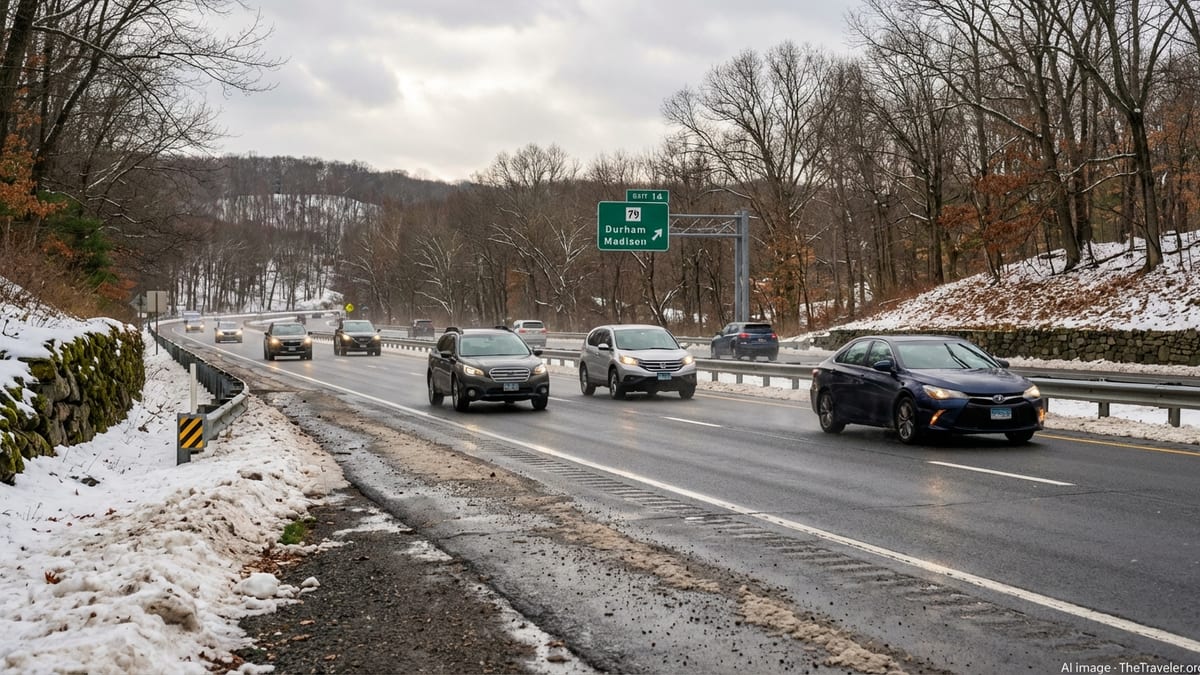
Connecticut’s climate shapes the driving experience. Winters can bring heavy snow, sleet, freezing rain, and sudden temperature drops that create black ice on bridges, ramps, and shaded stretches of pavement. State transportation officials regularly remind drivers that better cars and better tires cannot replace slow, cautious driving in winter conditions. When storms are forecast, travelers are often advised to postpone nonessential trips and allow snowplows and sanders room to work.
In major winter storms, Connecticut may declare states of emergency and occasionally issue targeted travel restrictions, especially for commercial trucks on highways. While statewide bans on private vehicles are rare, authorities frequently urge residents to stay off the roads except for essential travel during the worst conditions. Snowplows travel slowly, make wide turns, and may straddle or cross lanes; drivers are told not to crowd the plow and to maintain a generous distance to avoid reduced visibility from blowing snow and debris.
Along the coast and river valleys, heavy rain and nor’easters can create localized flooding. Low-lying underpasses, coastal roads, and sections near rivers are particularly vulnerable when tides or swollen streams coincide with storms. Drivers should never attempt to drive through flooded sections of road, as water depth and current can be deceptive. Road closures and detours are common during major weather events, so giving yourself extra time and checking conditions before you leave is especially important in coastal and flood-prone areas.
Construction zones are a year-round reality, as Connecticut works to maintain and upgrade aging highways and bridges. Reduced speed limits, lane shifts, and temporary barriers can appear with little warning, particularly on busy routes like I 95 and I 84. Fines for speeding or dangerous driving in work zones are typically higher, and some new driver education requirements focus specifically on highway worker safety. You should slow down well before entering a work zone, follow posted instructions, and watch for workers close to live traffic.
Winter Driving in Detail: Preparation and On-Road Technique
Planning ahead is the key to safe winter driving in Connecticut. Before the season begins in earnest, well-prepared motorists have their vehicles inspected, ensure tires have adequate tread and, in some hilly or rural areas, consider dedicated winter tires. Fluids, windshield wipers, and battery condition should all be checked. Keeping your gas tank at least partially full during cold snaps is wise both for safety and to avoid condensation-related fuel issues.
State transportation guidance emphasizes that the safest choice during severe winter storms is often not to drive at all. If you must be on the road, leaving early and planning extra time gives you room to drive slowly without feeling pressured to keep up with faster traffic. Increasing your following distance, braking and accelerating gently, and avoiding abrupt steering inputs will help maintain traction on snow or ice. On hills, build modest momentum before an ascent and avoid stopping midway up steep grades whenever possible.
Black ice is a major hazard in Connecticut’s winter months. It often appears on bridges, shaded curves, and ramps where cold air circulates underneath or the sun rarely hits the pavement. The surface may look merely wet, but traction can be nearly nonexistent. Drivers are encouraged to slow down significantly in these high-risk areas, especially after sudden temperature drops. If your vehicle begins to slide, ease off the accelerator, steer gently in the direction you want to go, and avoid slamming on the brakes, which can make the skid worse.
Carrying a basic winter emergency kit is recommended, especially if you will be traveling outside the more densely populated corridors. Items often suggested include an ice scraper, snow brush, small shovel, jumper cables, warm blankets or extra clothing, a flashlight, water, nonperishable snacks, and any essential medication. If you become stranded, safety officials generally advise staying inside the vehicle if it is safe to do so, making your car visible with lights or markers, and ensuring the exhaust pipe remains clear of snow to prevent carbon monoxide buildup.
City, Suburban, and Rural Driving: What Feels Different
Driving in Connecticut changes character as you move from coastal cities to quiet inland towns. In cities like Hartford, New Haven, and Stamford, expect dense traffic, complex interchanges, and frequent lane changes as commuters enter and exit highways. Parking can be tight, and many downtown streets have a mix of cars, buses, bicyclists, and pedestrians competing for space. Patience and heightened awareness are essential, especially during rush hours when sudden braking and lane changes are common.
Suburban driving in Connecticut typically involves a web of state routes, local collector roads, and residential side streets. Speed limits can drop quickly from fast-moving arterials to calm neighborhoods and school zones, sometimes with only short transition segments. Many suburbs have active school communities, so drivers should be ready for school buses making frequent stops, children crossing at corners, and temporary congestion around drop-off and pick-up times. Respecting school bus signals and crossing guards is taken seriously by local law enforcement and communities.
In the rural and semi-rural corners of the state, such as parts of Litchfield County or the quieter stretches along the Rhode Island and Massachusetts borders, you may encounter narrower roads, limited lighting, and tighter, winding curves. Wildlife crossings are more common at dawn and dusk, and road shoulders may be soft or narrow. In winter, these areas can be among the last to see full plowing and sanding, so cautious speeds and increased following distances are especially important. Navigation systems may sometimes misjudge travel times on these smaller roads, so allow more time than you think you need.
Across all environments, Connecticut drivers often travel slightly above posted speeds on clear, dry highways, but strict enforcement in speed-reduced zones, near schools, and in work areas means it is not wise to follow the fastest driver as your guide. The safest approach is to match the general flow while staying at or below the posted limit, adjusting for weather, traffic, and visibility.
Sharing the Road: Pedestrians, Cyclists, and Public Safety Vehicles
Connecticut’s communities are increasingly focused on walkability and cycling, especially in revitalized downtowns and along designated multiuse corridors. Motorists are expected to share the road responsibly with pedestrians and cyclists, giving people on foot the right of way in marked crosswalks and yielding when turning across sidewalks or bike lanes. Many town centers feature raised crosswalks, bulb-outs, or flashing beacons, which are visual reminders to slow down and watch for crossing pedestrians.
When passing cyclists, drivers should provide ample space and avoid squeezing by in the same lane on narrower roads. Slowing down briefly until it is safe to pass is often the best and safest choice. In urban areas, be alert for cyclists traveling in designated bike lanes and watch carefully before opening doors from parked cars, a simple step that helps prevent dooring incidents. Nighttime visibility can be poor on some streets, so it is wise to assume that a cyclist or pedestrian may be present even if you do not immediately see one.
Emergency vehicles, including police cars, fire trucks, and ambulances, have priority when their lights and sirens are activated. Drivers must pull over to the right and stop if safe to do so, allowing the emergency vehicles to pass. On multilane highways, this may mean slowing and moving carefully toward the right side of your lane or shoulder. Connecticut laws also require drivers to move over or slow significantly when approaching stopped emergency, maintenance, or tow vehicles with flashing lights on the roadside.
School buses merit special attention. When a bus has its red lights flashing and the stop sign extended, traffic in both directions on most undivided roads must stop, regardless of how pressed you feel for time. Passing a stopped school bus loading or unloading children is not only dangerous but can lead to severe penalties. Patience in these situations is part of the social contract of driving in Connecticut, particularly in family-oriented neighborhoods and smaller towns.
The Takeaway
Driving in Connecticut is manageable and often scenic, but it demands attention, preparation, and respect for local rules. From strict distracted driving laws and careful protections for pedestrians and schoolchildren to serious expectations around winter driving and work zone safety, the state’s approach to traffic reflects a strong emphasis on prevention rather than reacting after a crash occurs.
For visitors, the most important steps are straightforward: obey posted speed limits, put the phone away, watch out for unexpected weather changes, and give yourself extra time on unfamiliar roads. For residents, staying updated on evolving requirements for licensing, young drivers, and safety programs can help you avoid surprises at the DMV or on the roadside. In both cases, choosing caution over convenience pays off.
Connecticut’s roads connect historic towns, coastal vistas, and rolling countryside. With a well-maintained vehicle, a basic understanding of state driving laws, and a commitment to focused, courteous driving, you can enjoy those roads safely in every season.
FAQ
Q1. Do I need a special license to drive in Connecticut as a visitor?
Most visitors can drive in Connecticut with a valid driver’s license from their home state or country for a short stay, as long as it is unexpired and readable in English or accompanied by an accepted translation.
Q2. What are the basic speed limits I should expect in Connecticut?
Expect limits around 55 miles per hour on many interstates, 35 to 45 miles per hour on typical state roads, and lower limits in residential, downtown, school, and work zones where signs indicate.
Q3. Are hand-held cell phones allowed while driving in Connecticut?
Hand-held cell phone use while driving is generally prohibited. Texting or manually using a mobile device behind the wheel is treated as a serious offense, with escalating fines for repeat violations.
Q4. How strict is Connecticut about seat belts and child car seats?
Seat belts are required for most occupants, particularly in the front seats, and children must be secured in age and size appropriate car seats or boosters according to state child passenger safety rules.
Q5. What should I do if I have to drive during a Connecticut snowstorm?
If you cannot postpone travel, slow down significantly, increase following distance, avoid sudden braking or steering, stay well behind snowplows, and carry basic winter emergency supplies in your vehicle.
Q6. How does Connecticut handle driving in construction work zones?
Work zones usually feature reduced speed limits, lane shifts, and close proximity to workers, and fines for speeding or unsafe driving in these areas are typically higher than in normal traffic zones.
Q7. Can teenagers drive alone at night in Connecticut?
Teen drivers with newly issued licenses face graduated restrictions, which often limit night driving and the number of young passengers they may carry, especially during the first months of independent driving.
Q8. What are the rules around school buses on Connecticut roads?
When a school bus has red lights flashing and its stop sign extended, vehicles on most undivided roads must stop in both directions and remain stopped until the signals are turned off and the bus moves.
Q9. How can I stay safe around pedestrians and cyclists?
Slow down in town centers, yield to pedestrians in crosswalks, give cyclists ample passing space, and check carefully for people walking or riding before turning or opening vehicle doors.
Q10. What is the best way to prepare my car for New England winters in Connecticut?
Have your vehicle inspected before winter, ensure your tires and brakes are in good condition, keep washer fluid and wipers fresh, maintain some fuel in the tank, and store a basic winter emergency kit in the trunk.