

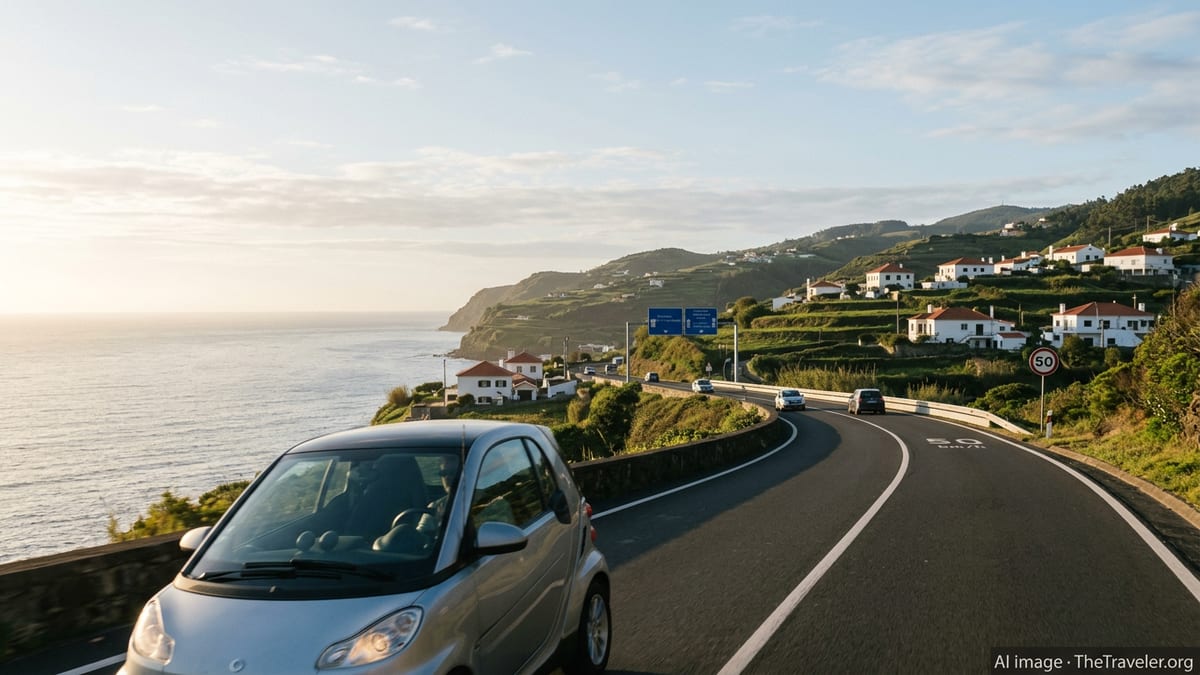
Exploring Portugal by car is one of the best ways to discover its Atlantic coastline, hilltop villages and wine regions at your own pace. Yet even experienced drivers can be caught out by unfamiliar road rules, electronic tolls and local driving habits. Understanding how Portugal’s roads work before you set off will help you stay safe, avoid fines and enjoy the journey, whether you are navigating Lisbon’s urban traffic or the quiet backroads of the Alentejo.
Licences, Insurance and Basic Legal Requirements
Visitors from most countries can drive in Portugal using their valid domestic driving licence for short stays, provided it is legible and uses the Latin alphabet. For stays longer than a few months, or if your licence is not in Roman characters, an International Driving Permit is strongly recommended and sometimes required. You must also carry your passport or national ID, as police can ask for proof of identity together with your licence during roadside checks.
In addition to your licence, Portuguese law requires that the vehicle registration document and valid insurance papers are kept in the car at all times. If you are renting, these will be supplied by the rental company, but it is still wise to check that the insurance covers the full rental period, includes at least mandatory third-party liability and clearly lists any named drivers. Keep the rental agreement handy, as it may be requested if there is an incident or toll issue.
Several safety items are compulsory in vehicles in Portugal, including a reflective safety vest accessible from inside the car and a warning triangle to place on the road if you break down. Many cars also carry spare bulbs and a first-aid kit, although these are more a matter of good practice than strict enforcement. Rental cars in Portugal are generally equipped with the legal basics, but taking a moment to confirm this before you leave the lot can prevent inconvenience later.
Driving is on the right-hand side of the road, with overtaking on the left. Seat belts are mandatory for all occupants, and children must use appropriate child seats or boosters depending on their age and height. Using a hand-held mobile phone while driving is prohibited and subject to significant fines, so if you need navigation or calls, set up hands-free connectivity before you start the engine.
Speed Limits, Enforcement and Common Road Signs
Speed limits in Portugal depend on the type of road and are usually well signposted, but they can change quickly as you approach villages, schools or complex junctions. For most cars, the general limits are 50 km/h in built-up areas, 90 km/h on standard rural roads, 100 km/h on expressways and 120 km/h on motorways, unless signs indicate otherwise. In residential areas, you will increasingly see 30 km/h zones, especially in city centres and near schools, where traffic calming measures are common.
Portugal enforces speed limits through a combination of fixed and mobile cameras as well as police patrols, including unmarked vehicles on some motorways. Fixed cameras are normally indicated by roadside signs in advance, but mobile checks can be less predictable. Fines increase with the degree of excess speed and can be substantial, and in serious cases licences can be suspended or, for residents, points deducted. For visitors in rental cars, penalties are usually passed on via the rental company, often with added administrative fees.
Road signs follow European conventions, so many drivers will find them familiar: red-bordered circles for limits and prohibitions, blue rectangles for information and white direction panels with black lettering. Place names on motorway signs are often shown a long way in advance, which helps with navigation, but exit numbers can come up quickly. If you miss a turning, it is better to continue to the next safe exit than attempt abrupt lane changes or last-second manoeuvres.
You should also pay attention to lane markings and local rules at intersections. In Portugal, solid white lines are not to be crossed, and double solid lines indicate that overtaking is prohibited in both directions. At traffic lights, red means stop without exception; turning right on red is not allowed. Amber is treated strictly as a signal to stop if it is safe to do so, rather than an invitation to accelerate through.
Toll Roads, Via Verde and Paying for Your Journey
Portugal has an extensive network of toll motorways that make long-distance travel faster and generally safer than using older national roads. Traditional toll roads use booths at entry or exit points where you can pay by cash or card, alongside dedicated electronic lanes. Other routes, often referred to as former SCUT motorways, operate with electronic tolls only and have no physical booths; cameras record your licence plate as you drive beneath gantries.
The country’s main electronic toll system is called Via Verde, which uses a small transponder mounted on the windscreen to communicate automatically with toll sensors. For residents, Via Verde is linked to a bank account, while visitors can access similar functionality through short-term arrangements or devices supplied by their rental company. Many Portuguese rental firms now offer a pre-installed transponder for a modest daily fee plus the cost of tolls, which is usually the simplest option for tourists.
On roads that are electronic only, there is no way to pay cash at the time of travel, so you must have an appropriate payment method in place. If you are driving a foreign-registered car, services tied to your licence plate or prepaid arrangements can be used, and information is available from official tourism and toll portals. Failure to pay can result in additional administrative charges and fines, which may be issued weeks or months later and, in the case of rental cars, passed on via the rental agreement along with processing fees.
In recent years, Portugal has adjusted toll policies on some ex-SCUT motorways, with certain stretches becoming toll-free again while others remain charged. Because of these ongoing changes, it is sensible to check with your rental company or a current toll map before planning your route, especially if you aim to avoid toll costs. Regardless of the route you choose, blue motorway signs generally indicate toll roads, and lanes marked with the green Via Verde symbol are reserved for vehicles with electronic devices and should not be used if you are paying manually.
Urban Driving, Parking and Low-Emission Considerations
Driving in Portuguese cities can feel very different from cruising along rural highways. Lisbon and Porto in particular have dense historic centres with narrow one-way streets, steep hills and limited parking. Many visitors prefer to park on the outskirts or in secure car parks and explore the central areas on foot or by public transport. If you do drive into the centre, be prepared for frequent changes of direction, pedestrian-heavy streets and tight spaces, especially in older neighbourhoods.
Parking rules are strictly enforced in many urban areas. Yellow or red markings often indicate no-parking zones, and you should avoid stopping too close to junctions, driveways, bus stops or pedestrian crossings. In city centres, pay-and-display systems are common, with ticket machines serving defined zones and inspectors checking regularly. Private underground or multi-storey car parks offer more relaxed time limits and are a good choice if you plan to leave your car for several hours while sightseeing.
Some Portuguese cities have been expanding pedestrian areas and introducing traffic-calming or environmental measures, which may restrict vehicle access at certain times of day. These regulations can change as local authorities adjust policies, so watch for signage at the entrance to historic districts and follow any instructions carefully. GPS navigation may not always reflect recent changes, so if you encounter a restricted street or new barrier, obey the local sign rather than your satnav.
In residential districts, you may find unmarked on-street parking where locals leave their cars along the curb. Even in these areas, it is important not to block entrances, garage doors or narrow passages where emergency vehicles might need to pass. When in doubt, opt for a marked space or official car park rather than risk a fine or towing, as retrieving a vehicle from an impound lot can be time-consuming and costly.
Roundabouts, Overtaking and Local Driving Style
Roundabouts are extremely common across Portugal and are often used instead of traffic lights at busy junctions. The general rule is that vehicles already on the roundabout have priority over those entering. When approaching, slow to an appropriate speed, yield to traffic from the left that is circulating, and enter only when there is a safe gap. Within the roundabout, signal and choose lanes according to your exit: the outer lane is commonly used for the first exit or going straight, while the inner lanes are used for later exits, with a lane change to the outside before leaving.
Signalling is important, both when changing lanes on the roundabout and when exiting. Many local drivers may not always indicate consistently, so assume that other vehicles might behave unpredictably and maintain a defensive posture. Giving yourself extra space and avoiding abrupt moves will reduce the risk of misunderstandings. If you miss your exit, simply continue around the roundabout and try again, rather than cutting across lanes at the last moment.
On open roads, overtaking should always be performed on the left. Use your mirrors, check blind spots and ensure you have clear visibility ahead before pulling out, especially on two-lane rural roads where sightlines can be limited by hills or curves. Solid white lines indicate no-overtaking zones, and these should be respected even if slower traffic is causing delays. Portuguese authorities take dangerous overtaking seriously and may impose stiff penalties for reckless manoeuvres.
Local driving style can vary. In major cities and on motorways, you may encounter relatively assertive drivers who change lanes briskly or follow closely, particularly in the faster lanes. Do not feel pressured to match their pace. Keep to the right-hand lane unless overtaking, maintain a safe following distance and travel at a speed that is comfortable and within the posted limit. In rural areas, road users might include tractors, bicycles and pedestrians, so be prepared to slow down and share the road calmly.
Alcohol, Fatigue and Safe Night Driving
Portugal applies a relatively strict legal blood alcohol limit compared with some countries, and enforcement campaigns against drink-driving are regular. Police carry out roadside breath tests, sometimes at checkpoints near nightlife areas or along busy routes. Penalties for exceeding the limit can include heavy fines, licence suspension and, in more serious cases, criminal proceedings. For visitors, the safest approach is to avoid alcohol entirely if you plan to drive, especially at night when visibility and reaction times are already compromised.
Fatigue can be a significant risk, particularly for travellers who have arrived on long flights and set out to drive immediately. Distances across Portugal may look short on the map, but roadworks, traffic congestion and detours around towns can lengthen journey times. Plan realistic driving days, allowing time for rest stops, meals and occasional delays. Service areas on major highways are generally well spaced and provide opportunities to stretch, rehydrate and switch drivers if you are sharing the journey.
Night driving in Portugal presents particular challenges. Rural roads may be poorly lit and can feature sharp bends, livestock crossings or stray animals. In coastal and mountainous regions, fog or sudden changes in weather can reduce visibility. Use dipped headlights appropriately, avoid high beams when other vehicles are approaching and reduce speed whenever conditions deteriorate. In cities, watch for pedestrians stepping into the road from between parked cars and for scooters or motorbikes filtering between lanes.
If you do have an accident or breakdown, switch on your hazard lights, put on your reflective vest before leaving the car and place the warning triangle at a safe distance behind your vehicle to alert approaching traffic. Contact the emergency number 112 if there are injuries or significant danger, and call your rental company’s assistance line for breakdown support. Staying calm, making the scene as visible as possible and following instructions from authorities will help ensure everyone’s safety.
Planning Scenic Routes and Sustainable Road Trips
Portugal is ideally suited to leisurely road trips, from the wine valleys of the Douro to the wild Atlantic coast of the Alentejo and the beaches of the Algarve. When planning your itinerary, consider mixing toll motorways, which are efficient for covering long distances, with slower regional roads that pass through villages, vineyards and viewpoints. This balance gives you both speed and variety while keeping fatigue manageable.
Navigation apps are useful tools, but it is worth cross-checking their suggested routes against a map or local advice, particularly in remote areas. Some apps may try to shave minutes off your journey by sending you along narrow, steep lanes that are uncomfortable for unfamiliar drivers or larger rental cars. When in doubt, choose the main road, even if it is slightly longer. In mountainous or coastal regions, taking your time not only enhances safety but also allows more opportunities to stop and enjoy the scenery.
Sustainable driving is increasingly relevant in Portugal, as in the rest of Europe. Choosing a smaller, fuel-efficient car, driving smoothly and avoiding unnecessary idling can reduce both costs and emissions. Many service areas and city car parks now provide charging points for electric vehicles, though availability still varies by region, so EV drivers should plan charging stops in advance and confirm current conditions close to their travel dates.
Respect for local communities is an important part of responsible road travel. Avoid blocking narrow village streets, keep noise down when passing through residential areas late at night and dispose of rubbish properly at service stations or designated bins. By combining awareness of road rules with consideration for the places you visit, you can help ensure that your Portuguese road trip benefits both you and the destinations along your route.
The Takeaway
Driving in Portugal rewards travellers with flexibility and access to landscapes that are difficult to reach by public transport alone. Yet a successful road trip depends on more than a full tank and a good playlist. Knowing the basic legal requirements, understanding how tolls and speed limits work, and adapting to local driving habits all reduce the risk of fines, stress or accidents. Taking the time to prepare before you collect your rental car can make the difference between a trip overshadowed by complications and one defined by memorable views and spontaneous detours.
If you keep your documents in order, respect posted limits, approach unfamiliar situations such as roundabouts and electronic tolls calmly, and factor in rest and realistic driving times, Portugal’s roads are generally straightforward to navigate. Combine that practical mindset with a willingness to slow down and appreciate the journey, and you will be well placed to enjoy everything from coastal highways to winding country lanes. In Portugal, the drive itself can be one of the great pleasures of the trip.
FAQ
Q1. Do I need an International Driving Permit to drive in Portugal?
For short visits, many travellers can drive using their valid domestic licence, especially if it uses the Latin alphabet. An International Driving Permit is advisable if your licence is not easily readable or if you plan a longer stay.
Q2. What are the standard speed limits in Portugal?
As a general guide, expect 50 km/h in built-up areas, 90 km/h on rural roads, 100 km/h on expressways and 120 km/h on motorways, unless signs state otherwise.
Q3. How do I pay tolls on Portuguese motorways?
You can pay at traditional toll booths with cash or card, or use an electronic system such as Via Verde. Rental cars often come with a transponder that automatically records tolls, which are then charged to your agreement.
Q4. Can I avoid toll roads in Portugal?
Yes, you can usually choose older national roads that run roughly parallel to motorways. These routes are slower and may pass through towns, but they can save toll costs and offer more local scenery.
Q5. Is driving in Portuguese cities like Lisbon and Porto difficult?
City driving can be challenging due to narrow streets, hills and limited parking. Many visitors prefer to park in secure car parks and explore central districts on foot or by public transport.
Q6. What should I do if I have a minor accident or breakdown?
Switch on hazard lights, put on your reflective vest, place the warning triangle behind your vehicle and move to a safe place. Call the emergency number 112 if needed and contact your rental company’s roadside assistance.
Q7. Is it safe to drive in Portugal at night?
Driving at night is generally safe on main roads, but rural areas can be poorly lit and may have animals or sharp bends. Reducing speed and staying alert is especially important after dark.
Q8. What is the legal alcohol limit for drivers in Portugal?
Portugal enforces a relatively strict alcohol limit and penalties for drink-driving are severe. The safest choice is to avoid drinking entirely if you intend to drive.
Q9. Are roundabouts in Portugal different from those in other European countries?
The basic rule is similar: vehicles already on the roundabout have priority. However, lane use and signalling can vary locally, so approach slowly, yield to traffic from the left and signal clearly when exiting.
Q10. Can I use my mobile phone while driving?
Using a hand-held phone while driving is prohibited. If you need navigation or to take calls, use a properly installed hands-free system and set it up before you start driving.