

More news on this day
Flights through Dubai and other Gulf hubs remain under pressure as the US–Israel–Iran war grinds into a second month, with shifting airspace restrictions, route cancellations and longer travel times reshaping how passengers move across the Middle East and beyond.
Get the latest news straight to your inbox!
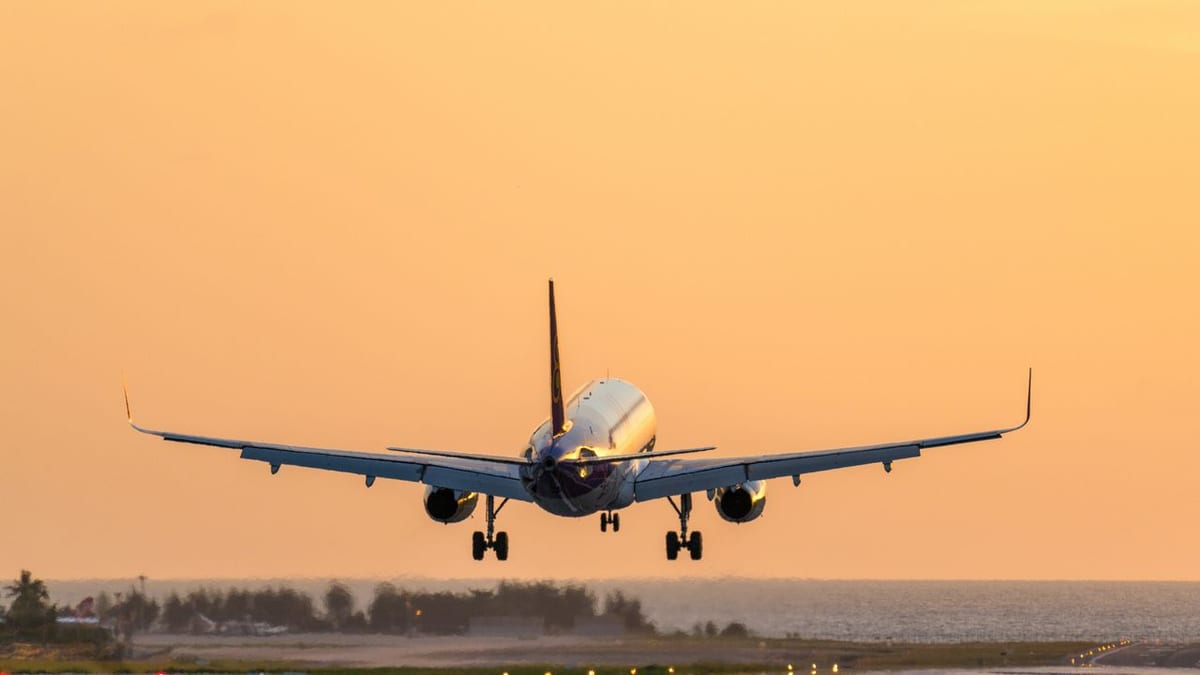
Dubai’s hub status tested by rolling flight cuts
Dubai International Airport, one of the world’s busiest long haul hubs, has been at the center of the disruption since the United States and Israel launched coordinated strikes on Iran on 28 February 2026. Regional reports describe temporary airspace closures, drone activity near key infrastructure and precautionary ground stops that have forced airlines to trim schedules and reroute traffic.
Emirates, flydubai, Etihad Airways and Air Arabia have all announced waves of cancellations and reduced frequencies on selected routes through March, particularly to parts of Europe, South Asia and the Levant. Industry-focused outlets tracking schedules indicate that more than a dozen international routes from the United Arab Emirates alone remain suspended or sharply curtailed as carriers balance demand with security assessments and insurance constraints.
Although the United Arab Emirates has periodically reopened its airspace after security reviews, operations have not fully returned to prewar levels. Advisories from airlines and aviation regulators continue to warn that flight durations and connection times in Dubai may be longer than usual due to rerouting around sensitive airspace and congestion on alternative corridors.
Travel specialists note that Dubai’s role as a bridge between Europe, Asia and Africa makes even partial reductions in capacity highly visible to passengers worldwide, leading to crowded rebooking desks, tighter seat availability and higher last minute fares on some alternative routings.
Wider Middle East airspace remains fragmented
The impact of the conflict extends far beyond the United Arab Emirates. Countries including Qatar, Bahrain, Kuwait, Iraq, Israel and Iran have all imposed varying degrees of airspace restrictions at different stages of the war, according to travel advisories and airline statements. Even when full closures have eased, persistent no fly zones, altitude limits and route bans have forced complex workarounds for pilots and schedulers.
Doha’s Hamad International Airport, another key Gulf transit point, has experienced waves of delays and cancellations linked to intermittent restrictions on Qatari airspace and changing overflight permissions in neighboring states. Regional travel bulletins describe hundreds of flights across Qatar, Saudi Arabia and nearby markets being canceled or delayed in March as carriers recalibrated operations.
In Israel, published coverage notes that missile damage at Ben Gurion Airport earlier in the conflict led to a reduction in departures and passenger caps on long haul flights. While the airport remains open, outbound capacity remains constrained compared with normal levels, limiting options for travelers seeking to connect via Tel Aviv.
Airlines serving Iraq, Jordan and parts of the Gulf are also contending with evolving risk assessments around US and allied bases, which have been frequent targets of Iranian missile and drone strikes. Some carriers have suspended specific city pairs entirely, while others have maintained a skeletal schedule with extended routing and altitude changes to keep aircraft clear of sensitive zones.
Knock on effects for global travelers and cargo
The disruption has rippled far beyond the region, complicating itineraries for travelers from Europe, North America and Asia who rely on Middle Eastern hubs for one stop connections. Because a significant share of global long haul traffic funnels through Dubai, Doha and Abu Dhabi, every cancellation or reroute in the Gulf can translate into missed connections thousands of kilometers away.
Travel insurers and assistance firms report growing numbers of customers dealing with missed onward flights, involuntary stopovers and extended layovers. Some advisories highlight that war related disruption is often excluded from standard travel insurance policies, leaving passengers to absorb additional accommodation and rebooking costs unless they purchased specialized coverage.
The cargo sector is facing similar challenges. Trade and logistics outlets describe pharmaceutical, high value electronics and express shipments being rerouted away from traditional Gulf corridors, adding time and cost to supply chains. Analysts estimate that a substantial portion of global air freight typically transits the wider Middle East, meaning sustained instability can have outsized effects on temperature sensitive medicines and just in time manufacturing flows.
Forwarders and logistics companies have begun using secondary airports, longer polar routes and multimodal solutions that combine air, sea and land transport. While these alternatives keep goods moving, they can reduce available belly capacity on passenger flights and further complicate recovery of normal schedules.
Travel advisories urge caution and flexibility
Governments in North America, Europe, Asia and Oceania have updated travel advisories for the region since the war began, often urging citizens to avoid non essential trips to Iran, Israel and neighboring states or to leave while commercial options remain available. Several notices highlight that flight availability can change at short notice and that land borders may face heavy congestion when new strikes or airspace restrictions are announced.
Risk consultancies tracking the conflict describe an environment where security alerts, air defense activity and diplomatic moves can translate into operational changes within hours. Airlines may cancel or reroute flights close to departure to keep crews and passengers away from perceived threats, even if airports technically remain open.
Travel industry guidance increasingly emphasizes flexibility. Passengers are being encouraged to book refundable fares where possible, monitor airline apps and official channels for schedule changes, and avoid positioning themselves in the region too far in advance of a confirmed departure. Some carriers recommend allowing significantly longer minimum connection times at Gulf hubs to account for rerouting and potential delays.
Corporate travel managers are meanwhile reassessing routing policies for employees, in some cases diverting traffic through European or Asian hubs rather than the Gulf, despite the added time and cost. Duty of care obligations and evolving insurance conditions are shaping these decisions as much as traveler preference.
Prospects for recovery remain uncertain
Aviation analysts caution that even a ceasefire or de escalation in the coming weeks would not immediately restore normal operations across the Middle East. Aircraft and crews remain out of position after weeks of rolling disruption, and airlines will need time to rebuild networks, reopen closed routes and regain regulatory and insurance clearances for certain airspace segments.
Industry commentary suggests that carriers may prioritize the most profitable and strategically important routes in any initial recovery phase, leaving some secondary destinations with reduced service for longer. Travelers whose journeys depend on thinner point to point links in the region may therefore continue to face limited choice and higher prices even after headline security risks diminish.
For now, publicly available information points to at least several more weeks of patchy schedules, extended routings and last minute changes across Dubai and the wider Middle East. With the war still active and diplomatic efforts yet to secure a durable settlement, airlines, regulators and travelers are all operating in an environment defined by uncertainty rather than clear timelines for normalization.