

More news on this day
One month into the US-Israel-Iran war, air travel across Dubai and the wider Middle East remains volatile, with airlines juggling partial resumptions, extended suspensions and complex reroutes as airspace restrictions and security concerns continue.
Get the latest news straight to your inbox!
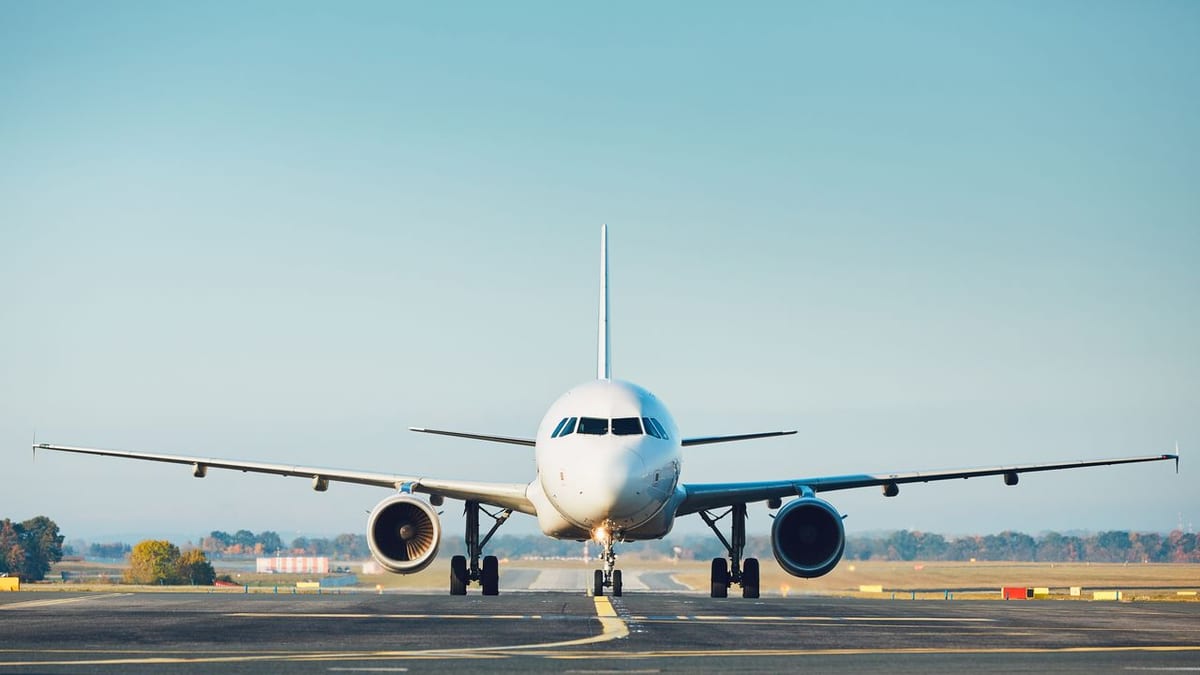
Dubai hub stays open but schedules remain fragile
Dubai International Airport continues to operate, but published coverage indicates that its role as a reliable global hub has been tested by repeated missile and drone incidents across the Gulf and shifting airspace closures. Advisories describe how air defences have intercepted projectiles near Dubai, while airport operations have largely been maintained, albeit under heightened security and with frequent schedule adjustments.
Regional and international reports suggest that Emirates has restored a significant proportion of its network through Dubai after initial widescale cancellations when the war began on 28 February 2026. Some services are now running close to prewar capacity, but with rerouting around higher-risk corridors and extended block times on routes linking Europe, Asia and Africa. Travellers are being warned that even confirmed tickets may be subject to last minute time changes or aircraft swaps.
Other carriers using Dubai have been slower to rebuild. Data compiled by travel-industry trackers points to thousands of flights cancelled across the Middle East since the conflict began, with Dubai, Doha and Abu Dhabi all affected as key waypoints between Europe and Asia. Forward schedules for April show a patchwork of resumptions, with some airlines restoring a thin skeleton service while others continue full suspensions to the United Arab Emirates.
For passengers, the visible impact in Dubai is less about total shutdown and more about unpredictability. Departures boards have filled with rolling delays, retimed services and occasional cancellations, particularly on routes that cross or closely skirt Iranian and Iraqi airspace. Travellers with tight connections face the highest risk of disruption, as minimum connection times can no longer be relied upon.
Extended suspensions on select Dubai and Gulf routes
Beyond the partial stabilisation in Dubai, several airlines are prolonging or expanding suspensions on specific routes into the Gulf. Kazakhstan’s flag carrier Air Astana has publicly confirmed that its suspension of flights to Dubai will now run through the end of April, citing continuing conflict and associated airspace uncertainty. Passengers on these routes are being offered refunds or rebooking on later services and alternative destinations within the airline’s network.
Travel trade bulletins and regional media outline a wider pattern of suspensions affecting links between North America, Europe and the Gulf. Some US and European airlines have stopped operating non stop services to Dubai, Abu Dhabi and Doha for defined periods in April, while others have shifted frequencies to focus on daylight operations viewed as easier to manage from a risk and logistics perspective.
Within the region, closures or severe restrictions in the skies above Iran, Iraq, Israel, Jordan and parts of the Gulf have forced airlines to abandon traditional high altitude corridors. Carriers with relatively small long haul fleets have in some cases opted to suspend certain routes entirely rather than absorb the fuel and crew costs associated with major detours around conflict zones.
Industry observers note that even where flights are still on sale, schedules are often labelled as provisional. Airlines are updating timetables in short cycles as they respond to new advisories from aviation regulators and security analysts, leaving many travellers facing rebookings multiple times on a single trip.
Pressure on alternative routings and higher long haul fares
With large segments of Middle East airspace constrained, traffic between Europe and Asia has shifted toward alternative corridors. Aviation data providers report that flights which would normally connect via Dubai, Doha or Abu Dhabi have been rerouted through Southeast Asian and southern European hubs, often adding two to four hours of flying time and increasing fuel burn.
This squeeze on capacity has filtered into fares. Travel analytics cited by specialist outlets indicate that prices on many Europe Asia city pairs have risen by double digits since the conflict began, with particularly sharp increases where passengers have few non stop alternatives and must rely on one or two connections. Premium cabins and last minute tickets are under the most strain as airlines prioritise operational resilience over aggressive discounting.
Cargo flows are also feeling the effect. Gulf hubs traditionally handle a significant share of global air freight, especially for e commerce and high value goods moving between Asia and Europe. With some freighter flights cancelled and others taking longer routings, forwarders report longer transit times and tighter space, adding to costs for shippers already contending with maritime disruptions in the region.
Analysts caution that if the conflict drags on through the northern summer season, knock on effects could spread into broader global pricing, particularly on routes that rely heavily on Middle East connectors. For now, travellers are being advised to book early, build in extra connection time and remain flexible on routings and dates.
Government and airline measures to support stranded travellers
Authorities in the United Arab Emirates have introduced targeted relief for visitors caught by the closure of airspace and temporary suspension of flights in early March. Public information from the Federal Authority for Identity, Citizenship, Customs and Ports Security confirms that overstay fines are being waived for people who were unable to depart on time because of the exceptional circumstances linked to the war. The policy, applied retrospectively from 28 February, is intended to ease the burden on tourists and residents stuck in the country through no fault of their own.
Airlines across the wider region have also rolled out flexible policies for disrupted passengers. Many carriers are offering free date changes, route swaps without penalty and, in some cases, full refunds for tickets covering the affected period. Some Indian and Gulf airlines have issued repeated travel advisories in recent days, outlining special flights, repatriation efforts and limited resumptions to key Gulf destinations including the UAE and Qatar as operational windows allow.
Embassies and consular services are working through backlogs of citizens waiting for outbound seats from major Gulf and Levant hubs. Travel industry reports describe cases of passengers holding multiple overlapping bookings in an effort to secure a confirmed seat out of the region, creating further complexity as airlines attempt to manage no shows and standby lists.
In Dubai, hotels and tour operators have shifted from peak season marketing to crisis management, extending special rates for stranded travellers and coordinating with airlines on late check outs, flexible cancellations and ground transfers for guests whose flights are retimed at short notice.
What travellers should expect in the coming days
Looking ahead into mid April, the operating picture for Dubai and the Middle East remains fluid. Forecasts from risk consultancies and aviation analysts suggest that, barring a major de escalation in the conflict, airlines will continue to run reduced and constantly adjusted schedules, particularly on routes that cross or approach Iranian airspace and the Strait of Hormuz.
Passengers flying via Dubai can expect the airport itself to remain open with robust security measures in place, but they should anticipate the possibility of last minute operational changes. Same day rebookings, overnight delays and re routings through secondary hubs are likely to persist, especially for travellers connecting between Europe and South or Southeast Asia.
Travel planners advise that anyone with imminent journeys through the region should monitor airline apps and communication channels closely, avoid travelling to the airport without a confirmed flight and keep local accommodation plans flexible. Purchasing travel insurance that explicitly covers war related disruption and extended delays is also being recommended by many industry commentators, although coverage terms vary widely.
For now, Dubai continues to project an image of relative normality compared with some neighbouring hubs that remain under tighter airspace restrictions. Yet the broader context of an unresolved US-Israel-Iran conflict means that Middle East aviation is likely to face periodic shocks for as long as hostilities continue, keeping one of the world’s most important travel corridors on an uneasy footing.