

More news on this day
Dubai International Airport has entered another tense day of operations on March 30, 2026, as Emirates joins IndiGo, British Airways, Lufthansa and Air India in maintaining limited but continuing flight schedules for UK and Indian travellers amid severe regional disruption.
Get the latest news straight to your inbox!
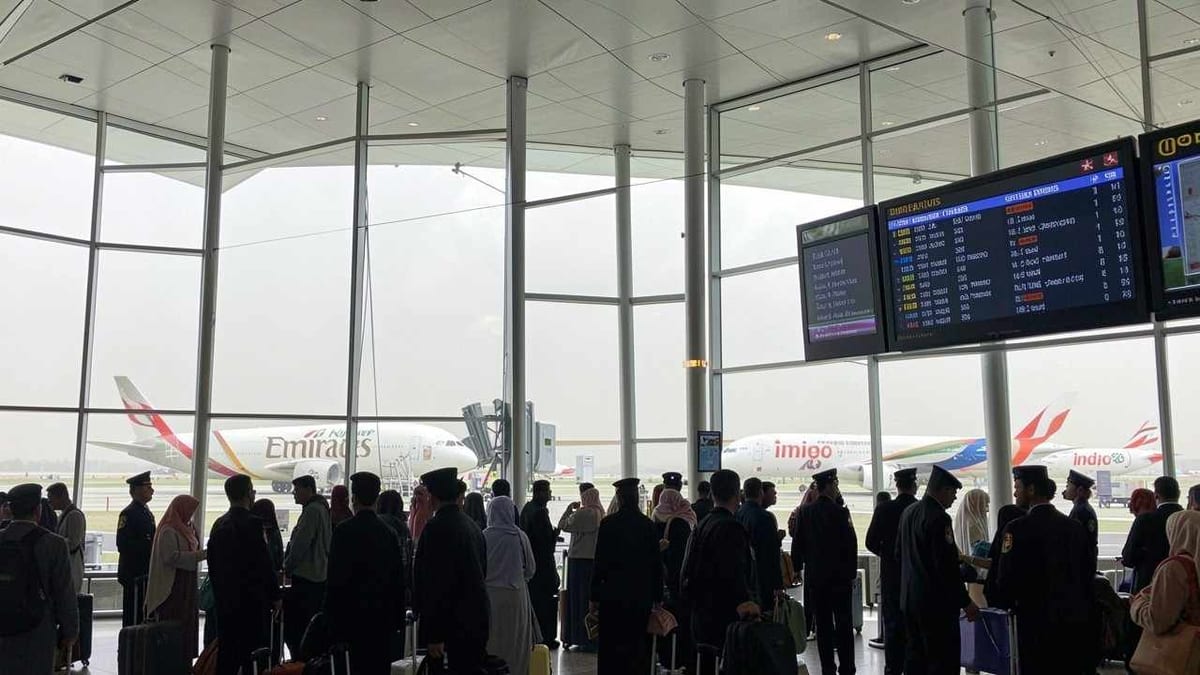
Image by Travel And Tour World
Flights Resume After Weeks of Regional Airspace Turmoil
Commercial aviation across the Gulf has been under sustained pressure through March following Iranian strikes and rolling airspace closures that temporarily shut Dubai International Airport and other major regional hubs. Publicly available information indicates that thousands of flights were cancelled or diverted earlier in the month as operators weighed safety, routing constraints and fuel supply risks.
In recent days, however, operations at Dubai have gradually shifted from near standstill to a patchwork of resumed services. Reports from travel advisories and aviation bulletins describe Dubai as operating on a reduced schedule, with tightly controlled air corridors and ongoing security precautions guiding the flow of traffic in and out of the United Arab Emirates.
Within that constrained framework, key long haul and regional carriers are now restoring select services that connect Dubai with the UK and India, two of its most important source markets. Capacity remains below normal, but the return of multiple major airlines to the schedules is giving passengers more options than they had during the height of the shutdowns earlier in March.
Dubai’s role as the world’s busiest international airport before the current crisis means even a partial restart has global implications. The resumption of some routes through the hub is beginning to ease pressure on alternative gateways that had been absorbing diverted Europe Asia and India Gulf traffic.
Emirates Leads a Cautious Restart at its Home Hub
Emirates, based at Dubai International Airport, is at the center of efforts to rebuild the city’s air connectivity. After an initial period in early March when operations were largely suspended, updates from the airline and airport show a controlled return to service, with a reduced schedule and frequent adjustments as regional conditions evolve.
Current operations appear focused on high demand trunk routes and time sensitive itineraries, including services linking Dubai with major UK cities such as London and with key Indian metros. Industry analyses indicate that Emirates is prioritising flights that support onward connections for stranded travellers and those whose journeys are difficult to reroute via alternative hubs.
Capacity is still significantly below pre crisis levels, and travellers are being encouraged by public guidance to treat every itinerary as subject to change at short notice. Nonetheless, the sight of Emirates aircraft once again departing regularly from Dubai is being viewed within the industry as a signal that the hub is moving from emergency response toward a managed, if fragile, normalisation.
Operational constraints remain substantial. Aviation risk assessments published in recent days highlight lingering concerns around jet fuel logistics, potential targeting of energy infrastructure, and the continued volatility of regional airspace access, all of which require airlines such as Emirates to maintain contingency plans for further disruption.
IndiGo and Air India Keep India–Gulf Links Alive
For Indian travellers, the decision by IndiGo and Air India to keep flying into Dubai on March 30 is especially significant. The two carriers are central players in India Gulf traffic, a market that serves both leisure and a large base of expatriate workers and visiting friends and relatives on both sides of the Arabian Sea.
Indian media coverage over the past weeks has described how Indian airlines have struggled with overlapping challenges, from Pakistani airspace restrictions that lengthen certain Europe bound routes to the broader impact of the Iran war on Middle East operations. Against that backdrop, the continuation of Dubai flights, even in a trimmed configuration, marks an attempt to preserve a vital corridor for Indian passengers.
Schedules show that many of these services are operating with altered routings and extended flight times, reflecting the need to avoid closed or high risk airspace. Publicly available advisories emphasise that short notice retimings and aircraft swaps are still possible, and that passengers should ensure tickets are reconfirmed and contact details up to date before heading to the airport.
Despite the uncertainty, load factors on India Dubai routes remain strong, as travellers with urgent reasons to move accept longer journeys and less predictable itineraries in order to reach family, workplaces or onward long haul connections.
British Airways and Lufthansa Rebuild Select UK and Europe Links
European network carriers are also edging back into Dubai. British Airways and Lufthansa, both of which had earlier suspended services to the emirate during the most intense period of regional strikes and airspace closures, are now appearing again on departure boards with limited operations tailored to demand from the UK and continental Europe.
Travel tracking and aviation commentary suggest that these resumptions are being handled cautiously. Frequencies have been pared back and, in some cases, equipment downsized, allowing the airlines to test demand while maintaining flexibility to pivot if security assessments change. Some services are timed to maximise connectivity at London Heathrow and key German hubs for travellers arriving from India and other affected markets.
Routing adjustments remain a defining feature of these flights. With parts of regional airspace still restricted, carriers are making use of longer detours that add time and fuel burn to each sector. Industry reports note that this in turn contributes to higher operating costs, a factor likely to be reflected in fares and in the limited availability of lower priced tickets for the near future.
Nevertheless, the reappearance of British Airways and Lufthansa aircraft at Dubai is being noted by travel professionals as a sign that Europe Middle East connectivity is no longer entirely reliant on alternative hubs. For UK based travellers in particular, the ability to once again fly directly between London and Dubai, even on a reduced schedule, is an important step toward restoring familiar patterns of movement.
Severe Weather Adds a Second Layer of Disruption
Complicating the geopolitical picture is a bout of severe weather affecting parts of the wider region, including heavy storms and low visibility episodes that have challenged airport operations from North Africa through the Eastern Mediterranean. Carriers such as EgyptAir have issued emergency alerts in recent days urging passengers to allow additional time for journeys to and from airports.
While Dubai’s modern infrastructure is built to handle high temperatures and sandstorms, the combination of unstable weather patterns with existing conflict related constraints has created a more fragile operating environment. Flight dispatchers and air traffic controllers must plan around both meteorological hazards and the shifting map of accessible airspace corridors.
The result for passengers is a higher probability of en route delays, last minute gate changes and aircraft rotations that knock on across an airline’s schedule. This is particularly true on multi sector itineraries linking the UK or Indian cities to Dubai and onward to Asia or Africa, where disruption in one part of the network can quickly cascade through to other flights.
Travel analysts point out that these compounding factors demonstrate how exposed global aviation remains to overlapping shocks. Even for airlines with robust contingency planning, the interplay of weather and security risk in March 2026 has created a level of operational complexity that goes well beyond typical seasonal challenges.
Determined Travellers Keep Dubai on the Map
Despite the headwinds, UK and Indian travellers are continuing to move through Dubai, underscoring the hub’s enduring pull as both a destination and a connection point. Publicly available booking data and anecdotal reports from the trade indicate strong demand for the limited seats available on Emirates, IndiGo, Air India, British Airways and Lufthansa services touching the city on March 30.
Many travellers are adapting by building in longer layovers, accepting circuitous routings or shifting travel dates to match the flights that are still operating. Travel agencies and online platforms report heightened interest in flexible tickets and comprehensive travel insurance, as consumers try to hedge against the risk of last minute disruption.
For Dubai’s tourism and business sectors, the gradual return of international flights offers a measure of relief after weeks of uncertainty. The current pattern of operations is a long way from the high frequency schedules that characterised Dubai’s pre crisis status, but each additional departure represents a small step back toward the connectivity on which the city’s global role depends.
How long this fragile recovery can be sustained will depend on both the trajectory of the regional conflict and the persistence of the unusual weather patterns currently affecting nearby countries. For now, though, the continued presence of multiple airlines linking Dubai with the UK and India means that, even in one of the most challenging periods the Gulf’s aviation sector has faced in years, travellers are still taking off.