

More news on this day
Airlines serving Dubai and major Middle East hubs are beginning to stabilise schedules after the United States and Iran agreed a temporary ceasefire, yet passengers are still facing diversions, rolling delays and selective cancellations as carriers test how durable the pause in hostilities will be.
Get the latest news straight to your inbox!
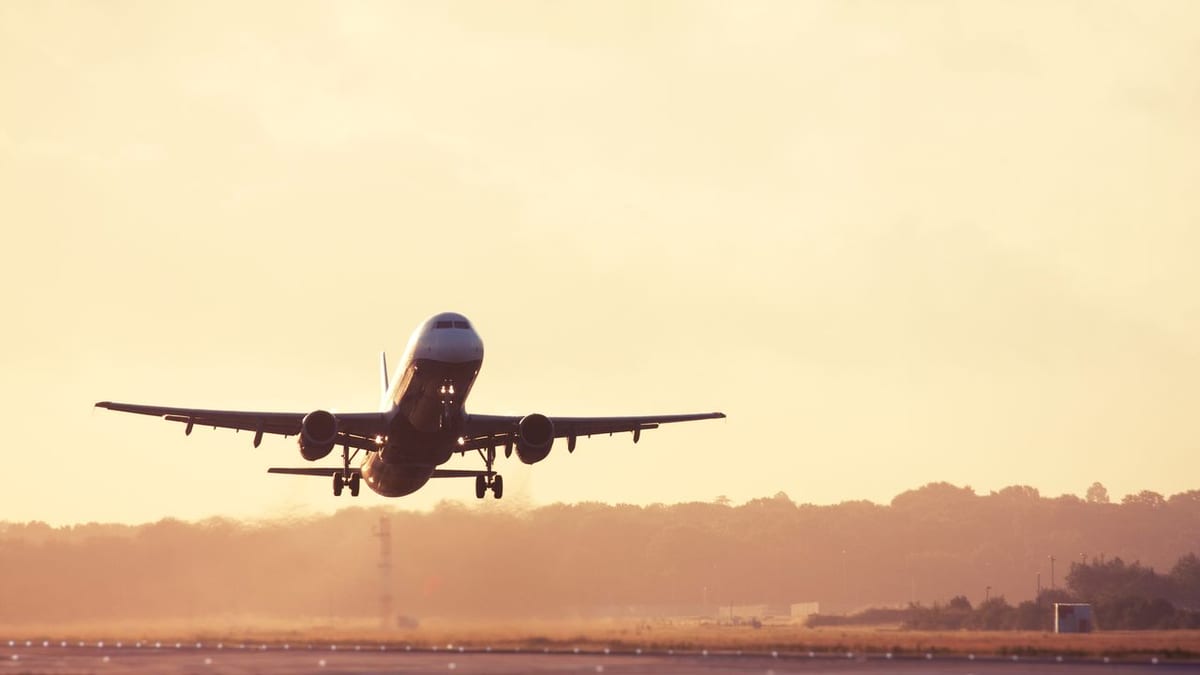
Ceasefire brings cautious relief to Middle East airspace
The two-week ceasefire, announced on Tuesday 7 April, followed weeks of missile and drone exchanges that left a swathe of Middle East airspace effectively off limits and forced airlines to redraw long-haul routings between Europe, Asia and Africa. Reports indicate that the agreement includes commitments to reopen key maritime and air corridors, including the Strait of Hormuz, although the precise implementation timetable remains unclear.
Early Wednesday 8 April coverage from international news agencies described a mixed picture, with new attacks still reported in parts of Iran and the Gulf even after the ceasefire was announced. Aviation analysts note that this kind of patchy compliance typically leads airlines and insurers to wait several days before restoring normal routings, particularly through high-risk flight information regions.
Specialist travel and aviation outlets describe the current phase as a fragile stabilisation rather than a full reset. After more than a month of conflict-driven disruption starting in late February, carriers have parked aircraft, shifted crews and reshaped timetables, changes that cannot be reversed overnight even if the security picture improves.
Dubai operations improve but remain vulnerable to flare-ups
Dubai International Airport, the world’s busiest hub for international passengers, has gradually moved from full closures and large-scale cancellations in early March to a pattern of delays, diversions and selective suspensions. Industry reports from March detailed temporary halts in operations after drone and missile incidents near the airport, followed by phased reopenings as airspace was cleared and emergency checks completed.
More recent travel-industry updates from early April show Dubai handling hundreds of daily movements again, but still absorbing knock-on disruption from wider regional instability. One travel trade publication counted around 375 delays and 17 cancellations across major Middle East airports, including Dubai, on 6 April, underlining how even a mostly open hub can struggle when neighbouring airspace remains constrained.
Local aviation coverage highlights how UAE regulators have relied on tightly controlled “safe corridors” that route flights south and west via Saudi Arabia and Oman during periods of heightened risk. These bespoke routings have kept core connections alive for home carriers, but at the cost of longer flight times, higher fuel burn and complex schedule planning that leaves little slack when weather or technical issues arise.
Regional hubs from Doha to Cairo juggle suspensions and reroutes
Dubai’s experience is mirrored, with variations, across the wider Gulf and Middle East. Reports from early March described Hamad International Airport in Doha facing full or near-full suspensions after Qatari airspace was effectively closed during peak hostilities, cutting one of the region’s other major transfer hubs out of many global itineraries.
According to aviation-focused news outlets, Qatar Airways has responded by grounding its Airbus A380 fleet and trimming more than 12,000 flights across April and May, temporarily suspending service to dozens of destinations while focusing on core routes that can be operated around restricted zones. Scheduling data suggests some of this capacity may return from June, but the airline is keeping flexibility to react if the ceasefire falters.
Elsewhere, travel and tourism publications have tracked recurring waves of disruption at Cairo, Istanbul and airports in Saudi Arabia and Kuwait, with hundreds of delays and dozens of cancellations recorded on some days as air traffic control units impose last-minute reroutes. These adjustments often add up to an hour of flying time on Europe–Asia sectors, straining crew rosters and aircraft utilisation even when flights do depart.
Airlines adjust networks as conflicts reshape global routes
For airlines, the latest ceasefire is a welcome opportunity to reassess emergency measures imposed since late February, but public timetables show that many are not rushing back into previously busy corridors. Coverage from South Asian media details how some carriers, including India’s flag carrier, temporarily diverted or suspended services into Dubai at the height of the crisis, funnelling passengers instead through Sharjah and Abu Dhabi as security assessments shifted.
International travel advisories and airline communications reviewed in recent days point to a broader recalibration of networks. United States and European carriers have extended “Middle East unrest” flexibility waivers into April, allowing passengers to rebook or reroute journeys involving Gulf and Levant destinations without standard change fees, a sign that planners still expect volatility through the month.
Industry commentary also notes persistent insurance and overflight-cost pressures. Underwriters have raised premiums for aircraft traversing parts of the Middle East, encouraging airlines to favour southern or northern detours that skirt conflict zones. While these routings improve perceived safety margins, they lengthen flight times on trunk routes such as London to Singapore or Frankfurt to Bangkok, reverberating through global schedules far beyond the region itself.
What passengers transiting Dubai and the region should expect now
With the ceasefire only days old, travellers connecting through Dubai, Doha or other Middle East hubs in mid-April are being advised by travel commentators to build in additional margin for delays and gate changes. Published coverage of recent disruption highlights cases of passengers missing onward connections after security-related ground stops, even when their original flights eventually departed.
Most major airlines continue to recommend that passengers monitor mobile apps and airport departure boards closely on the day of travel, as schedule changes can cascade quickly when airspace is reconfigured. Travel-industry reporting emphasises that email and call-centre notifications often lag behind real-time operational decisions, particularly during fast-moving geopolitical events.
Despite the uncertainty, aviation analysts contacted by media outlets suggest that Dubai and other Gulf hubs are well placed to scale operations back up if the ceasefire holds through its full two-week window. Airport operators in the UAE and Qatar spent much of March fine-tuning contingency plans that allow them to pivot between reduced and near-normal schedules within days, provided missile and drone threats stay at manageable levels.
For now, the picture for passengers is one of cautious optimism: aircraft are moving again through Dubai and its regional counterparts, but the system remains finely balanced. Any renewed escalation between the United States, Iran and their respective allies could rapidly reintroduce the severe bottlenecks that characterised the early weeks of the crisis.