

More news on this day
Dublin Airport is warning passengers of further disruption after 15 flights were cancelled on Saturday as Storm Dave’s powerful winds and heavy rain swept across Ireland.
Get the latest news straight to your inbox!
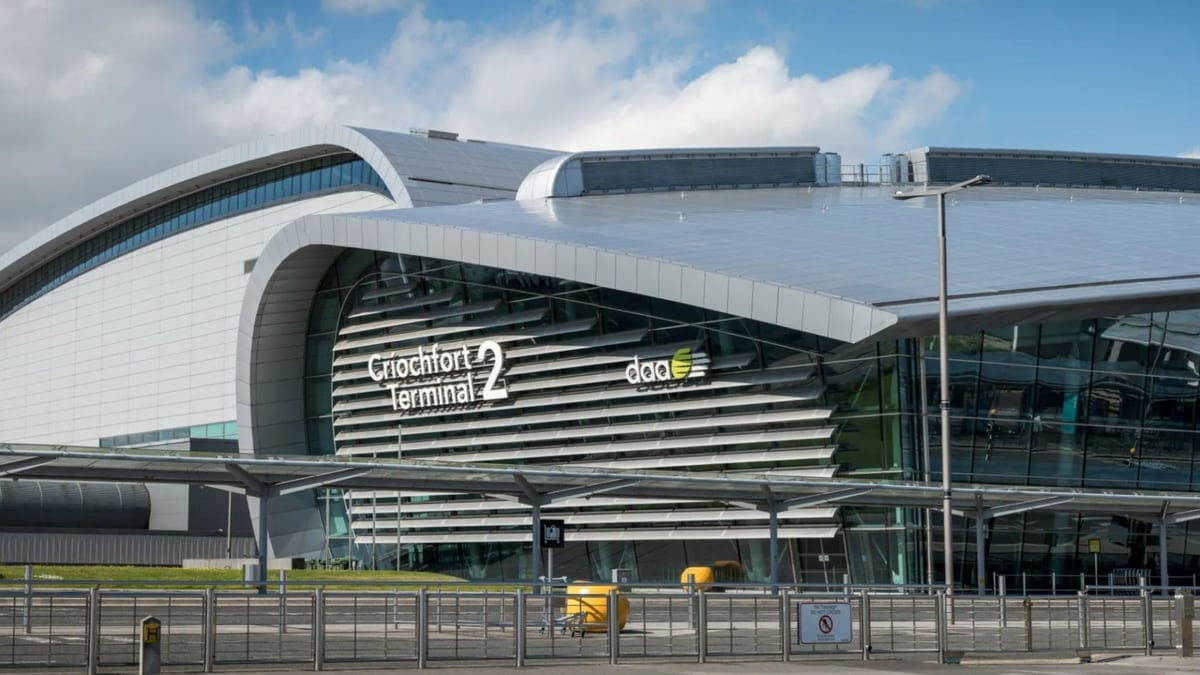
Storm Dave batters Ireland’s busiest airport
The latest disruption comes on a key Easter bank holiday travel day, with strong winds linked to Storm Dave affecting operations across the country. Publicly available information shows that airlines operating at Dublin Airport cancelled 15 flights on Saturday, covering both departures and arrivals, as crosswinds intensified and visibility deteriorated.
Reports indicate that the weather system, which brought gusts approaching 100 km/h in some areas, moved quickly across the country during the morning and early afternoon before intensifying along the east and southeast coasts. The worsening conditions have made take offs and landings more challenging, leading to a series of late schedule changes as airlines reassess safety margins.
Met Éireann has issued a Status Yellow wind warning nationwide, with an Orange wind warning in place for parts of the southeast, reflecting the potential for severe gusts and coastal gales. Travel and transport agencies have highlighted the risk of falling branches, surface water and localised flooding, all of which add pressure to already busy holiday routes.
While the airport itself remains operational, live departure and arrival boards show a growing pattern of delays alongside the confirmed cancellations, underlining the likelihood of knock on disruption well into Saturday evening.
Fifteen flights cancelled and more at risk
According to published coverage from Irish media, the 15 cancelled services include a mix of short haul European routes and UK connections, with both outbound and inbound flights affected. Initial information indicates that at least seven departures and eight arrivals were withdrawn from the schedule as winds strengthened over the airfield.
Operational data suggests that the number of affected flights could rise as the day progresses, particularly during peak evening waves when winds are projected to remain strong over the east coast. Some aircraft approaching Dublin have already carried out go around procedures or diverted to alternative airports after encountering challenging crosswinds on final approach.
Industry trackers show that even flights that do operate may experience extended airborne holding or rerouting to avoid the worst of the weather. That, in turn, can have a cascading impact, delaying aircraft and crews for later rotations and potentially forcing airlines to consolidate or cancel additional services if conditions do not improve.
Air travel analytics from recent Irish storms indicate that once crosswinds pass certain thresholds on the main runways, carriers often proactively thin out schedules to preserve safety margins, protect aircraft and give ground operations more time to handle turns in difficult conditions.
Advice for passengers flying through Dublin
With conditions deteriorating into Saturday evening, publicly available information from the airport and transport agencies strongly encourages passengers to check the status of their flight before setting out. Travellers are advised to monitor their airline’s app or notification system closely, as last minute changes to departure times, gate assignments or aircraft types remain possible.
Travel coverage also notes that passengers whose flights are cancelled are generally entitled to a choice between rerouting at the earliest opportunity and a refund of the unused portion of their ticket, depending on the carrier and fare type. Under European air passenger rules, airlines must provide assistance such as meals, refreshments and hotel accommodation where applicable, though compensation may not apply when cancellations are caused by extraordinary weather events.
Transport commentators point out that passengers connecting onward through Dublin may face particular challenges if delays erode minimum connection times. Those with tight onward flights are being encouraged to contact their airline’s customer service channels as early as possible to explore rebooking options or alternative routings.
Given the risk of road disruption from fallen debris and surface water, travellers heading to the airport by car or bus are also being urged to allow extra time for their journey. Public transport operators have separately warned that storm related incidents could affect some rail and bus services across the country.
Wider travel and power disruptions across Ireland
The impact of Storm Dave is not limited to air travel. National and regional outlets report that thousands of homes and businesses have experienced temporary power outages as high winds bring down lines and trees in exposed areas. Crews are working to restore supply, but access issues on minor roads and continued gusts are complicating repairs in some counties.
Coastal regions are contending with rough seas and the risk of wave overtopping, particularly along the south and southeast coasts. Harbour authorities and local councils have warned of hazardous conditions on piers, promenades and cliff paths, urging the public to avoid exposed shoreline areas while the storm remains in force.
On land, hazardous driving conditions have been reported on several national and regional routes, with debris, standing water and occasional localised flooding slowing traffic and increasing the risk of accidents. Motorway operators have advised drivers to reduce speed, maintain greater following distances and watch for sudden gusts, especially when overtaking high sided vehicles.
Rail and bus services are operating but remain vulnerable to falling trees, overhead line damage and temporary flooding, meaning timetables may change at short notice. Passengers are being encouraged to keep checking operator updates throughout the weekend.
Outlook for Easter weekend travellers
Forecasts suggest that the most intense phase of Storm Dave will pass overnight into Sunday, though blustery showers and lingering strong winds could continue to affect parts of the country into Easter Sunday and Monday. For aviation, any improvement in crosswind conditions on Sunday morning is expected to help airlines begin recovery operations, reposition crews and aircraft, and clear backlogs.
Travel experts note, however, that knock on effects from Saturday’s cancellations may persist into Sunday, particularly on high demand leisure routes where spare capacity is limited. Some passengers may face rebookings over several days where flights are already heavily sold for the holiday period.
For those yet to start their journeys, the recommendation from travel industry guidance is to build additional flexibility into plans, arrive at the airport earlier than usual, and keep digital boarding passes and notifications to hand. Where possible, travelling with hand luggage only can also reduce the risk of bags missing tight connections or being delayed on rerouted flights.
As the Easter getaway continues under unsettled skies, Dublin Airport and Ireland’s wider transport network remain under pressure from the shifting weather patterns associated with Storm Dave. Passengers are being urged to remain patient, stay informed and factor in the possibility of further schedule changes as the storm system gradually moves away.