

More news on this day
Dubrovnik in Croatia has been awarded the title of European Green Pioneer of Smart Tourism 2026, marking a pivotal moment for a city once synonymous with overtourism and now promoted as a model for sustainable, digitally enabled urban travel.
Get the latest news straight to your inbox!
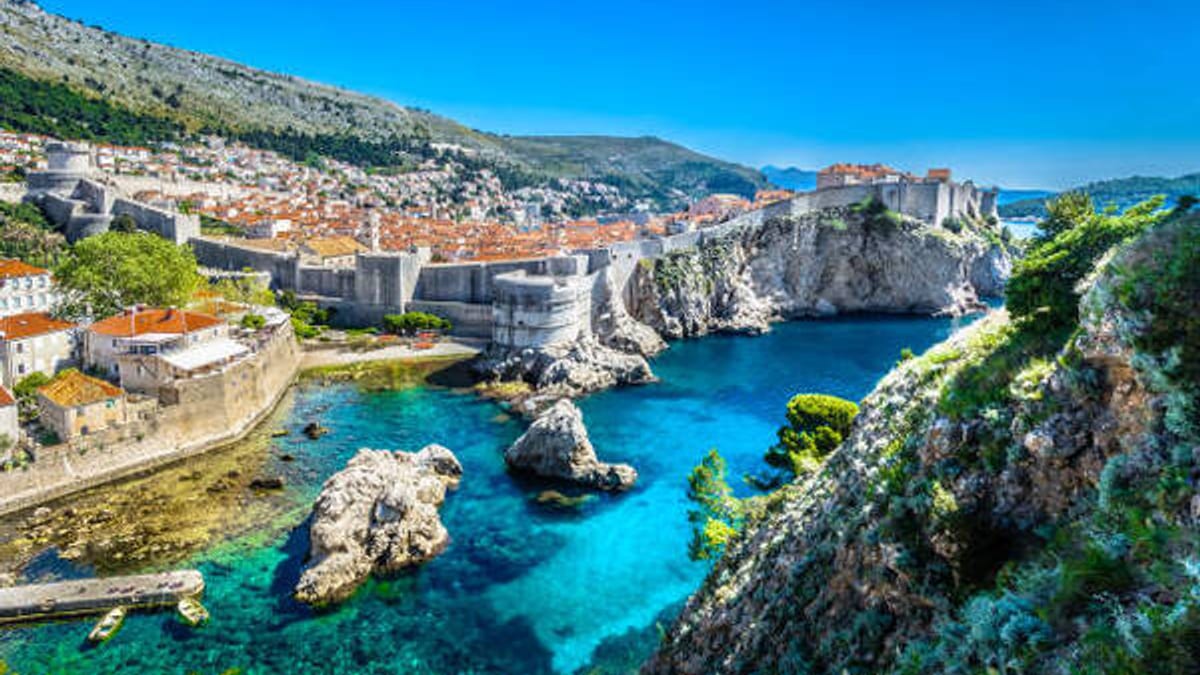
Image by Latest International / Global Travel News, Breaking World Travel News
A Landmark EU Recognition For A Historic Adriatic City
The European Commission selected Dubrovnik as the Green Pioneer of Smart Tourism 2026 after a competitive process that evaluated destinations across Europe on sustainability, digital transformation, smart mobility, energy efficiency and protection of cultural and natural heritage. Reports on the competition indicate that more than 50 cities entered the 2026 round, with eight reaching the final stage before the jury decision in Brussels in November 2025.
Dubrovnik’s designation places it alongside Tampere in Finland, which received the parallel title of European Capital of Smart Tourism 2026. Together, the two cities are expected to act as showcases for how tourism can support climate goals, local quality of life and cultural preservation while remaining a key driver of the visitor economy.
Publicly available information from the European smart tourism initiative describes the Green Pioneer title as the flagship EU accolade for small and mid sized destinations that integrate environmental management with advanced visitor services and destination governance. For Dubrovnik, this means a year of heightened visibility across the bloc, with dedicated communication support, promotional campaigns and opportunities to share its practices with other cities.
The award also marks a symbolic turning point for the walled Adriatic port, where visitor numbers surged in the past decade and sparked international debate about overcrowding in UNESCO listed heritage sites. The new recognition positions Dubrovnik as a test case for how data, regulation and local partnerships can rebalance an economy that depends heavily on tourism.
From Overtourism To “Respect the City” Destination Management
Central to Dubrovnik’s Green Pioneer bid was a multi year effort to curb overtourism and protect the integrity of its Old Town. Municipal documents and local coverage highlight the “Respect the City” program, launched in 2017, as the backbone of this transition. The initiative introduced systematic visitor management, restrictions on cruise ship arrivals, crowd monitoring tools and campaigns aimed at influencing visitor behavior inside the historic core.
Carrying capacity studies developed with the University of Dubrovnik have been used to inform limits on daily visitor flows and adjust operations at city gates and popular viewpoints. According to material published by the European smart tourism platform, this research based approach allows the city to address infrastructure pressures and seasonality by matching tourist numbers more closely with local tolerance and environmental thresholds.
The strategy extends beyond day visitors. Measures such as regulating short term rentals, encouraging longer stays outside the peak summer months and promoting local cultural experiences are presented as ways to preserve community life in the Old Town while maintaining tourism revenue. Public information from the city indicates that these steps are being integrated into broader urban planning and climate policies rather than treated as stand alone tourism fixes.
By presenting this governance model in Brussels, Dubrovnik was able to position itself as a destination that has learned from earlier waves of mass tourism and now uses smart tools and participatory planning to keep growth within socially acceptable bounds.
Climate Resilience, Green Spaces And Plastic Free Initiatives
The Green Pioneer title also reflects a portfolio of environmental projects that target both the built heritage and natural surroundings. Official competition material describes Dubrovnik’s work on urban greening, including renovation of public parks, new tree planting and the greening of roadsides designed to lower urban heat and safeguard the city’s distinctive landscape setting.
Lokrum Island, a protected nature reserve just offshore, features prominently in the city’s sustainability narrative. Around 90 percent of the island is covered by forest vegetation, and maintenance programs focus on preserving biodiversity, enhancing air quality and improving resilience to climate related risks such as drought and wildfires. These efforts are framed as integral to the visitor experience, with nature based recreation promoted as a counterbalance to congestion in the Old Town.
Dubrovnik is also held up as an early adopter in the fight against plastic pollution. It was the first Croatian member of the Plastic Smart Cities initiative, and local policies now restrict single use plastics at city events and in many public institutions. Communication from the European Green Pioneer platform notes that these measures aim to reduce plastic consumption and leakage into the Adriatic, an issue of growing concern across coastal destinations.
Investments in water infrastructure, flood protection and climate proofing of key tourism areas complement these environmental actions. Together, they contribute to the narrative that the city is preparing not only for future visitor numbers but also for rising sea levels, more frequent heatwaves and shifting rainfall patterns.
Digital Innovation And Smart Mobility For Residents And Visitors
Alongside environmental measures, Dubrovnik’s Green Pioneer status highlights its use of digital tools and smart mobility to improve the visitor journey and ease pressure on residents. The European smart tourism portal describes a series of upgrades to the local bus network, including the introduction of dozens of new vehicles, among them electric buses, and extended free travel options for many users.
Integrated ticketing, real time passenger information and route optimization are being developed to shift visitors away from private cars and reduce congestion in sensitive heritage streets. Digital wayfinding and crowd alerts are used to spread visitors more evenly across the day and across less frequented neighborhoods, while online booking systems help stagger entry to popular attractions.
Data dashboards and sensor based monitoring in and around the Old Town support this mobility strategy. Publicly available material on the “Respect the City” program notes that city services rely increasingly on live data about pedestrian flows, cruise ship schedules and public transport loads to make operational decisions, from adjusting bus frequencies to temporary rerouting during peak surges.
For visitors, these systems translate into more predictable travel times and access to less crowded experiences. For residents, they are intended to limit disruption and maintain everyday mobility, reinforcing the principle that smart tourism should serve host communities first.
Implications For European Travel And Dubrovnik’s Next Chapter
By singling out Dubrovnik as European Green Pioneer of Smart Tourism 2026, EU institutions are effectively turning one of the continent’s most high profile overtourism case studies into a laboratory for new standards. The city is expected to feature prominently in European communication campaigns over the coming year, sharing case studies and participating in knowledge exchange with other destinations.
Reports on the Green Pioneer program explain that winners receive tailored branding support, European wide visibility and access to professional networks focused on smart and sustainable tourism. For Dubrovnik, this could translate into stronger positioning in global markets as a responsible city break and cruise destination, as well as additional leverage when seeking funding for green infrastructure and digital projects.
The recognition also arrives at a time when travelers are increasingly attentive to environmental credentials and authenticity. Analysts of European travel trends point to growing interest in off season trips, lower impact transport and experiences that benefit local communities. Dubrovnik’s messaging around citizen engagement, heritage protection and limits on unsustainable growth is likely to resonate with this segment.
At the same time, the Green Pioneer title will intensify scrutiny of how the city manages future visitor numbers and development pressures. Observers of Mediterranean tourism note that awards and pilot projects must be matched by consistent implementation on the ground. The coming years will show whether Dubrovnik can convert its new status into durable change, setting an example not only for historic Adriatic ports but for crowded heritage destinations worldwide.