

More news on this day
Travelers at Washington Dulles International Airport faced extended waits and mounting frustration today as flights to major hubs including Chicago, Orlando and Doha were cancelled or severely disrupted, compounding nationwide weather issues and a separate airspace crisis affecting routes through Qatar.
Get the latest news straight to your inbox!
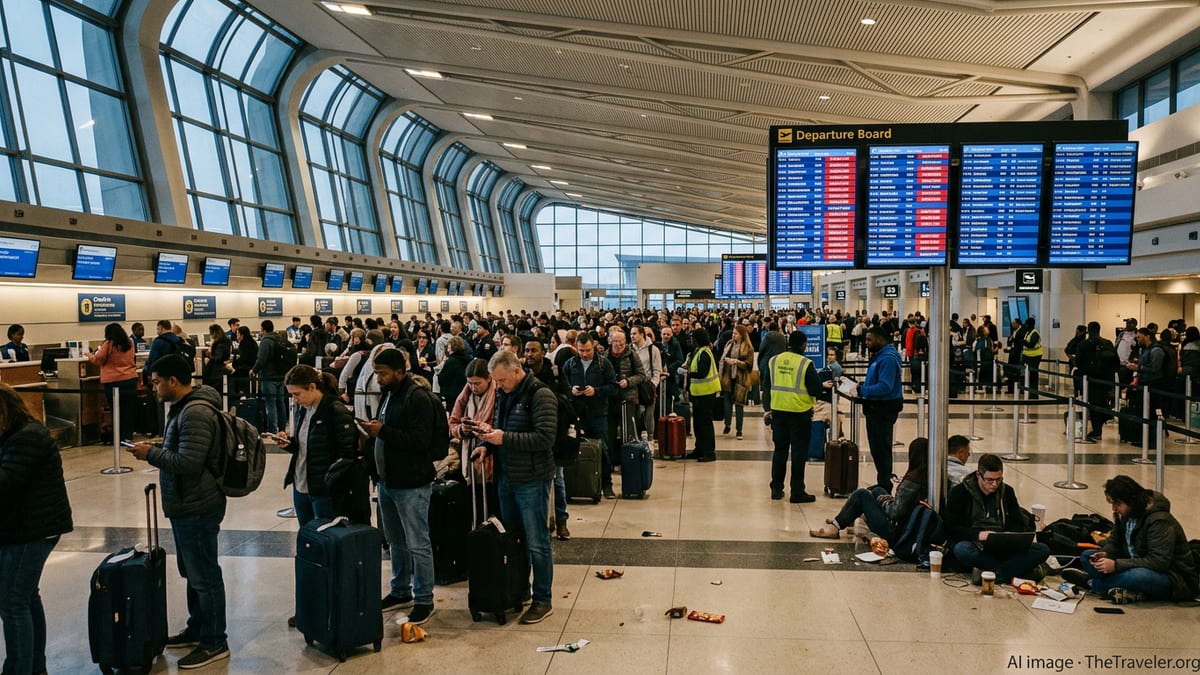
How the Disruptions Unfolded at Dulles
Washington Dulles International Airport, one of the main long haul gateways for the US capital region, was already operating under strain after a powerful winter system brought several days of widespread cancellations across the eastern United States in late January. That storm produced one of the worst single days for weather related flight cancellations in recent US history, and the knock on effects have persisted in the form of tighter aircraft rotations and limited slack in the system.
Those lingering constraints set the stage for today’s disruption. Publicly available tracking data and airline status pages show a fresh wave of cancellations from Dulles to key domestic markets such as Chicago and Orlando, as well as to international destinations relying on connections through Doha. The combination of winter weather recovery, localized operational issues and international airspace restrictions has left many passengers stranded at the airport with limited immediate alternatives.
Observers note that Dulles, served by more than 50 airlines, is particularly exposed when multiple hubs experience simultaneous problems. When Chicago and Orlando are dealing with their own weather or congestion and Doha is constrained by airspace closures, options for rerouting passengers quickly dwindle, and missed connections ripple through the schedule for hours or even days.
Chicago and Orlando: Domestic Hubs Under Pressure
Travelers booked from Dulles to Chicago have been among the hardest hit. Chicago O Hare is a critical hub for both domestic and international traffic, and recent reports indicate it has been dealing with periodic weather related ground stops and delays. When that happens, flights feeding into the hub from cities like Washington are often cancelled pre emptively to prevent aircraft and crews from getting stuck in long queues on the ground.
Departures from Dulles to Orlando have also been affected. Orlando is a high volume leisure destination, and disruptions there have a different impact profile: families on tightly scheduled vacations, school holiday travelers and international visitors connecting onwards to cruise ports or other Florida cities. When Orlando bound flights are cancelled from Dulles, many of these passengers face the prospect of losing prepaid hotel nights, theme park reservations or cruise departures.
Because both Chicago and Orlando are heavily trafficked markets with frequent daily service, airlines typically attempt to reaccommodate passengers on later departures the same day or the next. However, when cancellations stack up across multiple days, remaining flights quickly sell out, leaving some travelers with limited options other than accepting multi stop routings, overnight stays at their own expense or travel several days later than planned.
Why Doha Flights Are Especially Disrupted
While domestic routes are struggling under familiar pressures of winter weather and congestion, flights touching Doha are facing a more complex and unusual challenge. In late February, Qatari airspace was closed following regional security incidents, leading to widespread disruption at Hamad International Airport in Doha. Published coverage from international outlets has documented significant cancellations and the suspension of most standard commercial services.
Qatar’s civil aviation authorities have since announced a partial reopening of air navigation, but only for limited emergency operations such as evacuation and cargo flights. Commercial passenger services remain heavily restricted, and airlines that rely on Doha as a transfer hub have been forced to trim or suspend schedules on many routes, including those linking North America with destinations in the Middle East, Africa and Asia.
For passengers departing Washington Dulles, this means that flights operating nonstop or via partner connections to Doha may simply not be available on their scheduled dates, even if they still appear in some timetable displays. In many cases, carriers have converted those services to relief style operations with different eligibility rules, or have cancelled them outright while offering refunds or date changes in line with their disruption policies.
What Stranded Passengers Need to Do Now
For anyone currently stuck at Dulles after a cancellation to Chicago, Orlando or Doha, the most important step is to verify the latest status of the booking directly through airline apps, official websites or airport departure boards. Published guidance from airlines during similar large scale disruption events indicates that digital channels are often updated more quickly than airport counters when schedules are changing rapidly.
If a flight has been cancelled, passengers are generally entitled to a choice between a later rebooked departure or a refund of the unused portion of the ticket, depending on the carrier’s contract of carriage and the fare type. In the present situation, some airlines serving Doha have publicly outlined temporary policies allowing complimentary date changes or refunds for tickets covering travel during the airspace closure window, though eligibility may be limited to specific dates.
Travelers connecting through Chicago or Orlando should pay close attention to minimum connection times and any sign of rolling delays. When a downline leg is heavily delayed or at risk, it can be safer to work with the airline to adjust the itinerary before leaving Dulles rather than risk an overnight stranding at an intermediate hub. Many carriers now allow same day changes through mobile apps without additional fees when disruptions are in play.
Those who booked through online travel agencies or third party sites may need to coordinate both with the seller and the airline. Experience from earlier disruption waves shows that this can lengthen resolution times, so building in extra patience and keeping documentation of all communications and receipts can be important if compensation or reimbursement is later requested.
Planning Ahead for Upcoming Trips Through Dulles
For travelers with upcoming itineraries from Dulles to Chicago, Orlando or via Doha in the next few weeks, careful advance planning is essential. Experts who analyze aviation disruption patterns recommend building in additional buffer time for connections, particularly when itineraries rely on a single vulnerable hub. That guidance is especially relevant while the broader Gulf airspace situation remains unsettled.
Before heading to the airport, checking in online and monitoring flight status repeatedly in the 24 hours prior to departure can provide early warning of schedule changes. Some airlines allow voluntary rebooking to alternative days or routings at no charge when severe weather or airspace issues are forecast, and taking advantage of those options in advance can be less stressful than waiting until cancellations cascade on the day of travel.
Travel insurance policies vary widely in how they treat weather and geopolitical disruption, but many offer coverage for additional accommodation, meals and ground transport when flights are cancelled for reasons outside the traveler’s control. Reviewing policy wording before departure and keeping receipts for any unexpected expenses can help support a later claim.
As operations at Washington Dulles continue to adjust to a combination of harsh winter conditions and unprecedented regional airspace restrictions around Doha, passengers bound for Chicago, Orlando and beyond face a more uncertain travel environment than usual. Flexibility, real time information and a willingness to consider alternative routings will be key tools for anyone trying to keep their journeys on track.