

Two Midwestern port cities sit on the shores of the Great Lakes and quietly surprise first–time visitors: Duluth, Minnesota on the western tip of Lake Superior, and Milwaukee, Wisconsin fronting Lake Michigan. Both offer working harbors, revived warehouse districts, strong local beer scenes and serious winter weather. Yet the experiences they deliver are distinct. If you are choosing between Duluth and Milwaukee for a future trip, understanding their differences in scale, atmosphere, costs and seasons will help you pick the city that best matches your travel style.
City Snapshots: Scale, Setting and First Impressions
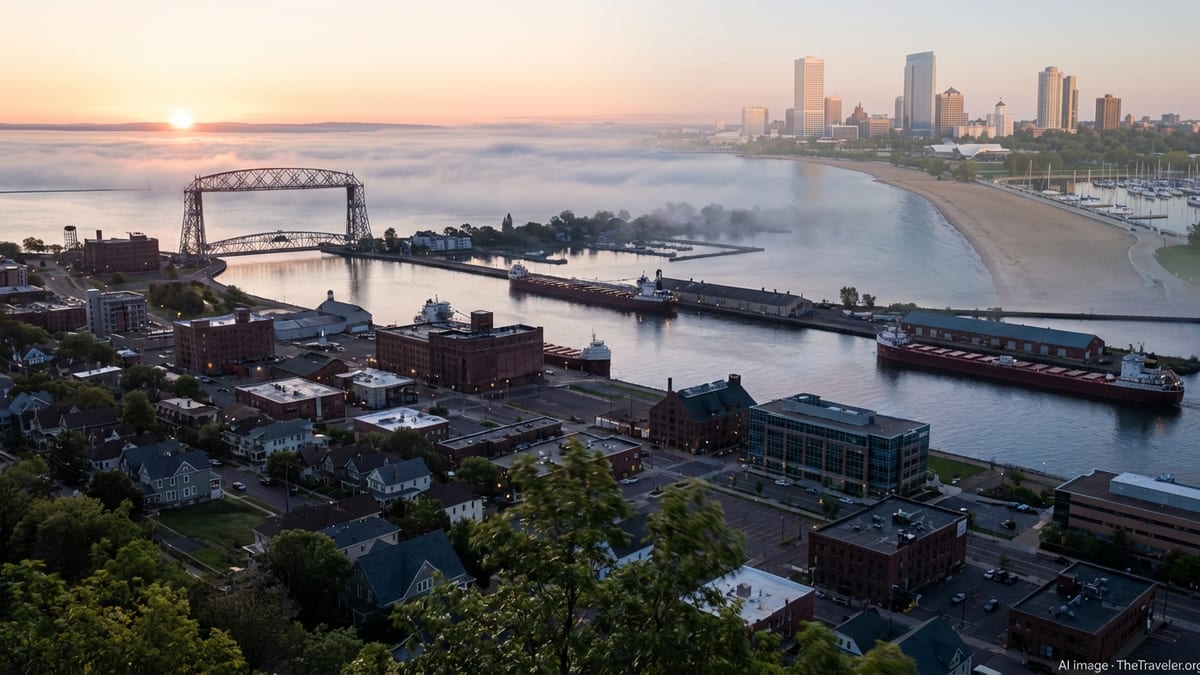
Duluth feels like a small city built for people who love big landscapes. Wedged between a steep hillside and Lake Superior, it has a compact downtown, waterfront Canal Park district and close access to forests and rocky shoreline. Views dominate almost everywhere you go, with Skyline Parkway and hillside overlooks framing the massive freshwater expanse of Superior. The overall vibe is outdoorsy and low key, and even at peak times it rarely feels crowded by big–city standards.
Milwaukee, by contrast, reads as a proper mid–sized metropolis. With a population several times larger than Duluth, it has a defined downtown of glassy office towers, historic brick warehouses, established neighborhoods and suburban sprawl. The city still hugs the lakefront, but life is just as focused on the Milwaukee River and neighborhoods like the Historic Third Ward and Walker’s Point. First impressions lean urban and energetic rather than purely scenic, though the lakefront parks and beaches quickly soften the skyline.
Geography shapes both destinations in practical ways. In Duluth, many streets run steeply uphill from the harbor, giving you sweeping harbor and bridge views at the cost of a bit of climbing. Weather sweeping in off Lake Superior can change quickly, and fog is common in spring and early summer. In Milwaukee, the terrain is gentler, the street grid more traditional, and the lake generally feels slightly more temperate, though wind and sudden storms are still part of the Great Lakes experience.
Your choice may begin with whether you want to feel like you are visiting a big small town wrapped in wilderness, or an authentic city with a strong cultural life that happens to have a freshwater coastline. Duluth excels at dramatic nature right on its doorstep. Milwaukee excels at urban variety while still offering waterfront access and pockets of green space.
Weather and Best Times to Visit
Seasonality matters more in Duluth than in many American cities. Winters can be exceptionally cold, with frequent snow and icy winds blowing off Lake Superior. Visitors who come between roughly December and March should be prepared for deep winter conditions and short daylight hours, which appeal primarily to snow lovers and those intrigued by a stark, atmospheric waterfront. In return for braving the cold, you get uncrowded streets, winter festivals and a strong local tradition of embracing snow and ice.
Summer in Duluth typically brings mild to warm days and cool nights, making it a popular time for hiking, biking and time on the lakefront. Average summer highs are often comfortable rather than sweltering, and cool breezes off the lake can keep conditions pleasant even when inland Minnesota is hot. Fall is particularly beautiful, as the hillside forests and nearby North Shore of Lake Superior ignite with color, and visitors come specifically to drive Skyline Parkway or sections of the Superior Hiking Trail for foliage views.
Milwaukee shares the broad outlines of a continental climate, but its winters, while cold and snowy, are often slightly less extreme than Duluth’s. Winter visits here appeal to travelers interested in museums, brewery tours, indoor food markets and basketball or hockey games downtown, with occasional forays outside along the RiverWalk or to snowy lakefront parks. Spring is transitional and can be gray, but by late May and June the city leans into outdoor events, patio dining and bike rides along its lakefront paths.
Where Milwaukee truly comes into its own is summer festival season. From June into early July, the city hosts its signature multi–day music festivals and a rotation of cultural celebrations along the lakefront. Warm summer evenings on Lake Michigan still come with the possibility of a cool breeze, but temperatures often feel more traditionally summery than in Duluth. For many travelers, that makes June through early September the sweet spot for Milwaukee, unless your priority is avoiding crowds, in which case late spring or early fall may be better.
Lakefronts, Nature and Outdoor Experiences
Both cities revolve around water, but the way you experience their shorelines differs. Duluth’s setting on Lake Superior, the largest and arguably wildest Great Lake, brings a sense of drama that is hard to match. The working harbor with ore docks and freighters sits steps from the tourist–friendly Canal Park area. Here you can watch massive ships pass under the iconic Aerial Lift Bridge, stroll the paved Lakewalk for sweeping views, and in windy weather feel Superior’s famously powerful waves crashing against the shore.
Outdoor options in and around Duluth are unusually rich for a city of its size. The Duluth section of the Superior Hiking Trail runs right through the city’s hillside parks and neighborhoods, offering day hikes with overlooks of the lake and the St. Louis River. Scenic Skyline Parkway traces an ancient lakeshore high above town, providing pullouts and picnic spots with panoramic vistas. Within a short drive you reach state parks along the North Shore, featuring waterfalls, basalt cliffs and long stretches of rocky coastline, making Duluth an excellent base for a nature–focused trip without giving up urban comforts entirely.
Milwaukee’s lakefront is more manicured but still appealing. A chain of parks and beaches lines Lake Michigan, connected by bike and walking paths that thread past marinas, public art and the city’s striking art museum building. On calmer days, the lake can appear almost oceanlike, stretching to the horizon, and summer swimming beaches and volleyball courts fill with locals. The city has invested in improving lakefront access, and it is easy to build a full day around walking or biking from downtown through the parks and back via the riverfront.
For nature in Milwaukee, you look slightly beyond the immediate downtown. The region’s county park system offers wooded trails, river corridors and nature centers. The Oak Leaf Trail loops through city and suburbs for cyclists, and nearby communities on the Lake Michigan shore provide additional beaches and marinas. While the drama of rocky cliffs and remote forest that you find near Duluth is largely absent, Milwaukee balances lake access with urban amenities, giving you shorter, more casual outdoor experiences that fit between meals and museum visits.
Neighborhoods, Culture and Nightlife
The cultural experiences in Duluth reflect its size and character. You will find locally owned galleries, small music venues, and community theaters rather than major symphony halls or national touring shows every night. The hillside setting and older housing stock give many neighborhoods a distinct charm, and areas like Lincoln Park have emerged as hubs for craft cideries, breweries and creative businesses. Live music has a strong local following, highlighted by festivals that showcase regional bands and long–running venues that skew intimate rather than flashy.
Downtown Duluth and Canal Park concentrate many visitor–friendly spots: cafes, lakefront hotels, souvenir shops and restaurants with harbor views. On busy summer weekends, patios are lively but rarely overwhelming. Nightlife tends to wind down earlier than in a big city, and bar scenes lean more toward craft beer and conversation than high–energy clubbing. For some travelers, that slower pace is a selling point, especially after days spent hiking or exploring nearby parks.
Milwaukee offers a much broader cultural spectrum. Its historic German and Polish roots sit alongside a growing mix of communities that contribute to festivals, neighborhood restaurants and music scenes. The Historic Third Ward, once a warehouse district, now houses lofts, galleries, a popular public market and clusters of restaurants and bars. Walker’s Point is known for both its Latino food scene and a concentration of craft cocktail bars and breweries. The East Side and Riverwest draw students and artists, with live music, independent cinemas and eclectic eateries.
Nightlife in Milwaukee can feel significantly more urban and varied than in Duluth. National touring acts play larger venues, while smaller clubs and bars host everything from jazz to punk and DJ nights. The city’s long association with brewing lives on in modern taprooms, beer gardens and beer–centric events that intensify during warmer months. If your ideal evening includes hopping between multiple distinct neighborhoods on foot or via short ride shares, Milwaukee provides more options.
Food, Drink and Local Flavors
On the culinary front, both cities punch above their weight, but in different ways. Duluth’s restaurant scene is smaller and more tightly clustered but has grown noticeably more ambitious in recent years. Waterfront restaurants in Canal Park serve fresh fish, burgers and regional comfort food, often with expansive lake views. Locally roasted coffee, bakeries and casual breakfast and brunch spots serve a mix of residents and tourists, especially during peak summer and fall weekends.
Craft beverages are an important part of Duluth’s identity. Several breweries and cideries operate within city limits, many highlighting regional ingredients and experimenting with styles suited to colder weather. Tasting rooms tend to feel relaxed and community oriented, sometimes paired with food trucks or simple kitchens. For visitors, the experience is less about ticking through long lists of venues and more about settling into a few well–chosen spots, often combined with hiking or lakefront walks.
Milwaukee’s dining culture is both deeply traditional and surprisingly diverse. Classic corner taverns, neighborhood supper clubs and long–established sausage and fish fry institutions share the stage with modern farm–to–table restaurants and experimental kitchens. The city’s public market near the Third Ward has become a central stop for visitors, combining prepared foods, local specialties and ingredients to go. Elsewhere, you will find a wide range of international cuisines reflecting Milwaukee’s evolving demographics, from Mexican and Puerto Rican spots in Walker’s Point to East African and Southeast Asian eateries in various neighborhoods.
The beer culture in Milwaukee is historically significant, and today’s scene blends legacy breweries with a dense network of craft producers. Beer gardens in parks and along the riverfront, brewery tours and special releases can easily occupy an afternoon or evening. Cocktail bars and wine bars add variety, making the city especially appealing to travelers who see food and drink as core to their itineraries. Compared with Duluth, you will simply have more venues to choose from across a wider price and style spectrum.
Costs, Logistics and Ease of Getting Around
Travel logistics may also influence your choice. Duluth has a small regional airport with limited direct flights, so many visitors arrive by car from Minneapolis–Saint Paul or other Upper Midwest cities. The drive along Interstate 35 is straightforward and becomes more scenic as you approach the lake. Once in Duluth, you can manage without a car if you plan to stay mostly in downtown and Canal Park, but having a vehicle makes it much easier to access hillside overlooks, outlying parks and North Shore day trips.
Milwaukee benefits from its position on major transportation corridors. It has a larger airport with more flight options, frequent intercity bus links and rail connections to Chicago and other regional hubs. For visitors who prefer to avoid driving, it is realistic to stay downtown or in the Third Ward and explore much of the city using a mix of walking, rideshares and local transit. A car is helpful if you plan to explore farther–flung neighborhoods, surrounding suburbs or small towns along Lake Michigan, but it is not strictly necessary for a long weekend focused on central districts.
In terms of day–to–day costs, both cities are generally more affordable than coastal tourist centers, but there are nuances. Lodging in Duluth can spike during peak summer weekends, major running events and holiday festivities, when demand briefly outstrips the city’s limited supply of centrally located hotel rooms. Visiting midweek or during shoulder seasons often yields better value. Restaurants and activities, however, tend to remain fairly moderate, especially once you venture beyond the most touristy blocks of Canal Park.
Milwaukee’s greater size and year–round business travel market create a broader range of price points for accommodation, from boutique hotels in the Third Ward to chain options scattered across downtown and the suburbs. Prices rise around major festivals, big concert weekends and summer events along the lakefront, but with more inventory you are somewhat more likely to find options at different budgets. Food and drink can be as affordable or as splurge–worthy as you like, with true high–end dining and ticketed cultural events available, in contrast to the more limited luxury tier in Duluth.
Who Should Choose Duluth and Who Should Choose Milwaukee
Imagining the kind of traveler you are can clarify whether Duluth or Milwaukee is the better fit. Duluth is ideal if you want your city stay to feel tightly intertwined with wild scenery. Travelers who prioritize hiking, scenic drives, waterfall–hunting, and simply sitting by a vast, restless lake often gravitate here. It is especially well suited to couples’ getaways, family trips with older children who enjoy the outdoors, and solo travelers looking for a restorative break that mixes low–key dining with big–sky vistas.
Milwaukee, by contrast, will appeal most to travelers excited by neighborhoods, nightlife and cultural variety. If your perfect weekend revolves around browsing galleries, sampling multiple cuisines, catching live music or sports, and ending the night at a rooftop bar or riverside beer garden, this city provides far more options. It also works well for group trips where interests may diverge, as one person can dive into museums while another follows a brewery trail or shops local boutiques.
Families may find something to like in both destinations. Duluth’s manageable size and easy access to kid–friendly lakefront strolls and nature reserves make logistics simple, though indoor options are more limited during bad weather. Milwaukee has a larger zoo, more extensive museum offerings and more rainy–day activities, but getting between attractions may involve longer travel times or more planning. In both cases, visiting during warmer months eases the experience for those traveling with children.
If you only have a long weekend and are flying in from farther afield, Milwaukee’s transportation advantages and denser cluster of urban amenities may tip the balance. If you have a bit more time or are already road–tripping around the Upper Midwest, folding Duluth into an itinerary that also explores the North Shore of Lake Superior can create a memorable, landscape–driven journey that feels very different from a typical city break.
The Takeaway
Duluth and Milwaukee share a Great Lakes heritage, a love of local beer and a climate that demands real winter gear, but as destinations they diverge in ways that matter to travelers. Duluth is small, scenic and closely tied to the rugged personality of Lake Superior and the surrounding forests. Milwaukee is bigger, more varied and deeply urban, with festivals, neighborhoods and cultural institutions that can easily fill an itinerary.
When deciding between them, ask yourself what you want to see from your hotel window and how you prefer to spend your days. If sweeping lake vistas, trailheads and waterfalls rank at the top of your list, Duluth is the stronger choice. If you prioritize restaurant–hopping, live music, museum visits and a wide array of nightlife, Milwaukee will likely feel more rewarding. Seasonality, transportation and budget may push you one way or the other, but neither choice is wrong.
In an ideal world, you would give each city its own dedicated trip, perhaps visiting Milwaukee for a lively summer festival weekend and Duluth for a foliage–rich fall escape. Taken together, they showcase two very different faces of Great Lakes travel: one rooted in big–city culture, the other in big–water wilderness. Whichever you choose first, you will come away with a deeper appreciation for a region that too often flies under the radar on national travel maps.
FAQ
Q1. Which city is better for a first–time Great Lakes visitor, Duluth or Milwaukee?
For a first–time Great Lakes trip focused on scenery and a dramatic sense of the lakes’ size, Duluth often feels more striking. For a broader mix of urban experiences with lake access as one component, Milwaukee may be the better starting point.
Q2. Is Duluth or Milwaukee more budget–friendly?
Day–to–day costs for food and casual activities are fairly comparable, but Milwaukee’s larger hotel market usually offers more range in prices. Duluth can become relatively expensive on peak summer and event weekends because rooms near the lake are limited, so timing has a big impact.
Q3. Which city has better public transportation for visitors?
Milwaukee is generally easier to navigate without a car, particularly if you stay downtown or in the Historic Third Ward and rely on walking, local transit and ride shares. Duluth has local buses, but a car makes it much easier to reach hillside parks, scenic overlooks and North Shore destinations.
Q4. Is Duluth or Milwaukee safer for tourists?
Both cities have generally safe central areas where visitors tend to stay, along with neighborhoods that require the same basic precautions as any urban destination. In either city, staying aware of your surroundings, securing valuables and using common sense at night usually keeps risk low.
Q5. Which city is better for outdoor activities?
Duluth is the stronger choice if outdoor activities are your top priority. Its direct access to hiking trails, scenic drives and Lake Superior’s wild shoreline allows you to combine city comforts with wilderness–adjacent adventures more easily than in Milwaukee.
Q6. Which city has more to do in winter?
In winter, Duluth excels for snow–focused outdoor pursuits and a distinct frozen–lake atmosphere, while Milwaukee offers more indoor cultural options like museums, performances and sports events. Your preference between outdoor snow fun and indoor attractions should guide your choice.
Q7. How many days should I spend in Duluth vs Milwaukee?
Many travelers find that two to three full days works well for Duluth, especially if you add a day trip along the North Shore. Milwaukee can easily fill a long weekend or more, particularly if you plan to attend a festival, visit multiple museums or explore several neighborhoods.
Q8. Which city is better for food and nightlife?
Milwaukee clearly offers more variety in both categories, with a wide range of restaurants, bars, breweries and live music venues. Duluth’s smaller scene is appealing but more limited, skewing toward relaxed spots and craft beverage taprooms intertwined with its outdoorsy character.
Q9. Is it realistic to visit both Duluth and Milwaukee on the same trip?
It is possible to include both on a longer Upper Midwest itinerary if you are comfortable with several hours of driving between them and careful routing. However, combining them in a short trip can feel rushed, and most travelers get more out of focusing on one city at a time.
Q10. Which city is better for families with children?
Families who prioritize outdoor exploration and simple lakefront fun often prefer Duluth, while those who want zoos, children’s museums and a wider array of indoor activities may find Milwaukee more convenient. In both cities, visiting during warmer months typically makes family travel smoother.