

More news on this day
The reported murder of a Dutch tourist in Bali’s Badung district in early 2026 has intensified concern among international travelers and put fresh pressure on Indonesian authorities to demonstrate that the country’s most famous island can remain both welcoming and safe.
Get the latest news straight to your inbox!
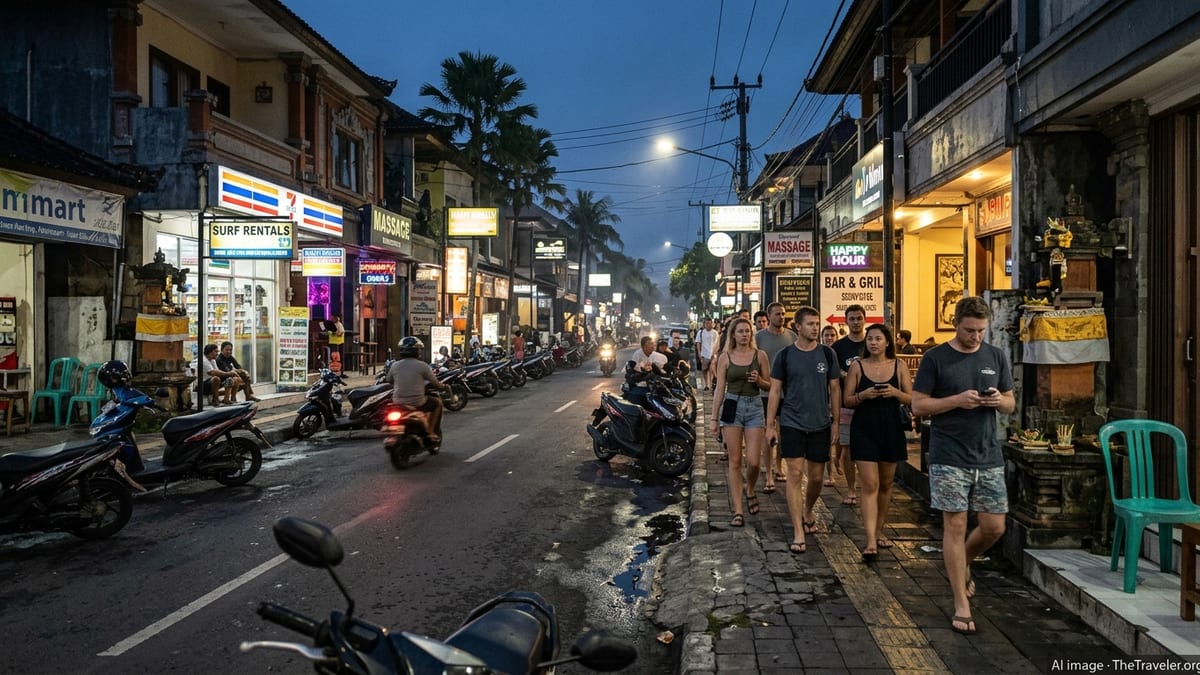
A High-Profile Killing in Bali’s Tourism Heartland
Badung district, which includes the packed resorts of Kuta, Seminyak, Canggu and Nusa Dua, is the engine of Bali’s tourism economy and one of Southeast Asia’s most recognizable coastal destinations. The death of a Dutch visitor there in an apparent criminal attack has struck at the heart of that image, raising questions about how secure visitors really are when nightlife, late hours and cash-based businesses intersect.
Local and national news coverage in Indonesia describes a violent assault against the Dutch national in a built-up tourist area of Badung, with early information suggesting robbery as a possible motive. While the full investigative picture is still emerging, the case has been widely shared on social media platforms frequented by travelers, amplifying the sense of unease among would-be visitors planning 2026 trips to Bali.
The incident follows a series of individual crimes against foreign visitors across Indonesia in recent years, including cases involving robbery, assault and, in rarer instances, homicide in and around major tourist destinations. Although such attacks remain statistically uncommon compared with the enormous volume of arrivals, they receive outsized attention because they occur in places heavily marketed as carefree island escapes.
Safety concerns have been further heightened by separate reports in 2026 of violent crime affecting tourists elsewhere in Bali, including a widely reported case involving the killing of a Ukrainian visitor in Gianyar regency. Taken together, these events have led many travelers to look beyond glossy marketing campaigns and ask harder questions about everyday security, policing and accountability.
Indonesia’s Broader Tourism-Safety Record in 2026
Indonesia has spent the past decade positioning Bali as the flagship for a broader tourism push that stretches from Lombok and Labuan Bajo to Lake Toba and the highlands of Papua. National statistics indicate that Bali remains one of the safest provinces in the archipelago by overall crime rates, with most visits unfolding without incident. However, the combination of high tourist density and nightlife-driven economies means that even sporadic violent cases can influence international perceptions.
Recent coverage of a Spanish tourist murdered at a hotel in Lombok in mid-2025, as well as other high-profile tragedies such as the release and deportation in February 2026 of an American convicted of the infamous “suitcase murder” in Bali, has kept Indonesia’s name in global crime and court pages. Each new episode often prompts renewed discussion about whether penalties for crimes against tourists are sufficiently deterrent and whether preventive policing keeps pace with rapidly growing visitor numbers.
Security experts who analyze destination risk often stress that tourism-centric areas worldwide share similar vulnerabilities, from petty theft and street robbery to scams and occasional violent attacks. In Bali’s case, decades of reliance on hospitality income have created a dense ecosystem of guesthouses, villas, bars and informal tour operators, not all of which are subject to the same oversight or safety standards.
The killing of the Dutch tourist in Badung is being weighed against this backdrop. Travel forums and regional media commentary in early 2026 suggest that while many travelers still view Bali as relatively safe, they are increasingly attuned to patterns such as late-night incidents on isolated roads, unsecured accommodation and reliance on cash, all of which can attract opportunistic crime.
New Policing and Regulatory Measures on the Island
In response to rising scrutiny, publicly available statements and policy documents from Indonesian officials point to a series of measures designed to shore up visitor safety in Bali. Provincial police have increased visible patrols in nightlife corridors, coastal promenades and popular sunrise and sunset spots, especially during peak seasons and religious festivals when crowds surge.
Local government offices in Bali have also been promoting closer coordination between village-level security units and formal law-enforcement structures. Community security posts in tourist districts such as Kuta and Canggu are being encouraged to report incidents more quickly and to liaise with tourism operators about patterns of harassment, theft or violence that may not always reach national headlines but can shape visitor experience.
On the regulatory side, provincial authorities have been tightening licensing and monitoring requirements for hotels, guesthouses and short-term rentals. Published announcements over the past two years highlight campaigns aimed at registering informal accommodations, improving basic security such as lighting and CCTV coverage, and ensuring that guest check-in procedures capture accurate identity data. These steps are presented as crucial tools for both deterring crime and speeding investigations when serious incidents occur.
Tourism officials at the national level have repeatedly framed safety as a core pillar of Indonesia’s long-term development strategy, noting in publicly available briefings that reputational damage from poorly handled crimes can ripple across multiple islands and sectors. The 2026 murder of the Dutch visitor in Badung has therefore become another test case for how quickly and transparently investigations proceed, and whether affected communities feel that justice is both done and seen to be done.
Digital Monitoring, Data Sharing and Traveler Awareness
Beyond street patrols and physical infrastructure, Indonesian authorities are increasingly turning to digital tools to monitor risks in high-traffic tourism zones. Public documentation since 2024 describes expanded use of CCTV networks in areas such as Kuta and Seminyak, including integration with command centers capable of tracking incidents and dispatching responders more quickly. Discussions of smart-city initiatives, particularly in Denpasar and Badung, emphasize that tourism security is an explicit part of these upgrades.
At the same time, immigration and police databases are being gradually modernized to improve tracking of foreign nationals who overstay, engage in illegal work or become involved in criminal cases. While privacy advocates sometimes raise concerns about overreach, policymakers argue that better data sharing between agencies can help identify patterns, such as repeated exploitation of tourists or organized robbery rings targeting villa districts.
Travelers themselves are also playing a role in the evolving safety landscape. Social media posts from Bali-based residents and visitors increasingly highlight real-time information about theft hotspots, drink-spiking concerns, road accidents and scams. These informal warnings, while anecdotal, have become a parallel information system that shapes behavior, from choosing better-lit accommodation to avoiding certain shortcuts at night.
In the wake of the Dutch tourist’s killing, many travel advisories maintained by European governments and multilateral organizations continue to classify most of Bali as a destination where routine precautions are sufficient, but they also stress common-sense measures such as staying in reputable lodgings, using licensed transport and keeping valuables out of sight. The persistence of these advisories underlines a delicate balance: acknowledging that serious crime can occur without depicting the island as inherently unsafe.
What the Badung Case Means for Global Travelers in 2026
For travelers considering Bali in 2026, the murder in Badung serves as a stark reminder that popular destinations are not immune to serious crime. However, the overall risk profile still compares favorably with many other mass-market tourism hubs, according to regional crime statistics and comparative travel-safety analyses that place Bali near the lower end of violent-crime rates in Indonesia.
What is changing is not only official policy but also traveler expectations. Visitors are more likely to research neighborhood-level safety, scrutinize the security features of villas and hostels, and consult local voices before venturing onto quiet roads late at night. Many are also seeking clearer assurances from accommodation providers about emergency contacts, insurance coverage and cooperation with local police should something go wrong.
Indonesia’s response, as visible in policy statements and enforcement actions across 2025 and 2026, suggests that tourism planners recognize how quickly global sentiment can turn when a crime against a visitor is perceived as mishandled. The Badung case involving the Dutch tourist is accelerating demands for more consistent standards, from lighting and surveillance in entertainment districts to faster, more transparent communication with foreign embassies when national citizens are affected.
As Bali heads into another peak travel season, the island finds itself at an inflection point. The way Indonesia manages the aftermath of this killing, alongside other recent tourist-related crimes, will shape not only the confidence of Dutch travelers but also the choices of millions more visitors who still dream of Bali’s beaches, temples and rice terraces, yet are increasingly unwilling to trade safety for scenery.