

More news on this day
Florida’s busiest airports entered Easter Sunday on April 5, 2026 facing one of the heaviest travel days of the spring, with publicly available flight-tracking data showing a patchwork of delays and cancellations at Orlando, Miami and Fort Lauderdale as holidaymakers returned home.
Get the latest news straight to your inbox!
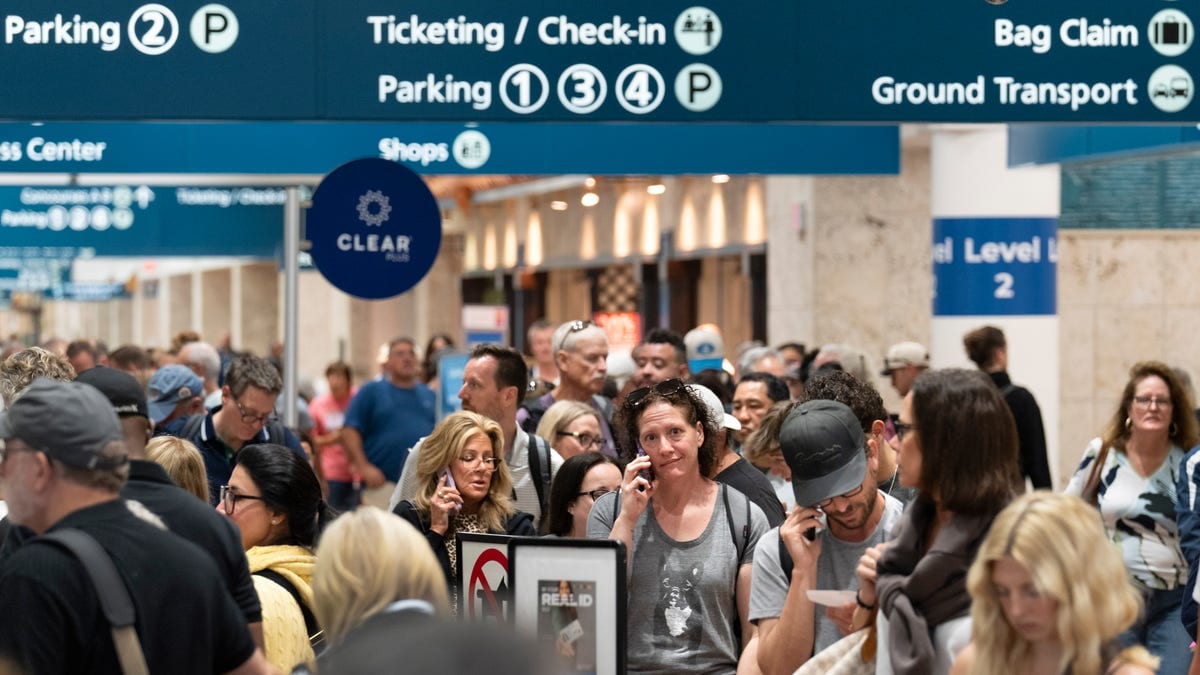
Miami International Sees Highest Level of Easter Disruptions
Miami International Airport recorded the most significant operational strain among Florida’s major gateways over the Easter 2026 period. Aggregated flight-tracking figures and industry coverage indicate that by late Easter Sunday roughly 175 flights at Miami, including both arrivals and departures, were either canceled or subject to substantial delays. Those disruptions came on top of already elevated volumes tied to spring break, cruise traffic and international inbound demand.
Reports describe a busy but functioning operation, with airlines adjusting schedules and swapping aircraft to cope with the uneven flow of traffic. The pattern at Miami mirrored a nationwide picture in which the worst disruption clustered around the Easter weekend, particularly on Easter Saturday and the days just before and after, when more than 5,000 flights across the United States were delayed and hundreds canceled.
Analysts note that Miami has ranked among the country’s more delay-prone large hubs in recent evaluations, with earlier studies of recent years placing it in the upper tier for both late departures and cancellations. Against that backdrop, the Easter weekend performance is being viewed as part of a broader pattern in which tight schedules, heavy leisure demand and summer-like afternoon storms regularly test the airport’s resilience.
Despite the elevated number of affected flights, publicly available information points to a system that largely avoided total gridlock. Security wait times around the lead-up to Easter were reported as relatively short, often under 15 minutes at certain periods, suggesting that the primary friction for passengers came at the gate and on the tarmac rather than at checkpoints.
Orlando International Faces Ripple Effects Before and After the Holiday
Orlando International Airport, the state’s largest gateway for leisure tourism, felt the brunt of Easter travel disruption in the days surrounding the holiday rather than on Easter Sunday itself. Data compiled on March 30, less than a week before Easter, showed more than 200 flights delayed and a small number canceled in a single day, disrupting operations for multiple major carriers serving the region’s theme parks and resort corridor.
Travel news coverage and schedule trackers describe a classic ripple-effect event: while outright cancellations at Orlando remained limited, the scale of delays during peak spring break traffic created knock-on impacts for aircraft and crews. Those operational ripples were then carried into the Easter weekend, with passengers encountering rolling schedule changes, gate shifts and tighter connection windows as airlines tried to reset their networks.
National aviation coverage of the Easter period highlighted how storms and congestion at large mainland hubs outside Florida, including major Midwestern and Southern airports, played an important role in the Orlando picture. Flights bound for Central Florida were often delayed at their origin points, resulting in late arrivals that compressed turnaround times, particularly on routes carrying families home at the end of the school break.
While Orlando did not feature among the worst nationwide trouble spots on Easter Sunday itself, the combination of earlier delays, continued strong passenger volumes and expanding route networks contributed to crowded terminals and longer travel days for many visitors. Recent route additions at Orlando, including several new domestic connections announced in March, have increased overall traffic and further heightened sensitivity to disruption during peak holiday periods.
Fort Lauderdale Records Lighter Impact After Spring Break Peak
Fort Lauderdale-Hollywood International Airport entered the Easter weekend with signs that its heaviest spring pressures had already passed. Local coverage from the preceding week described relatively smooth conditions, with shorter security lines and a calmer terminal environment compared with the peak of the spring break rush in mid to late March.
Real-time performance snapshots for Fort Lauderdale during the broader spring period show moderate delay levels, with a clear majority of flights departing and arriving on time. On Easter Sunday, anecdotal accounts from passengers and airport observers pointed to what many characterized as near-normal conditions, with occasional flight-level delays but no systemic meltdown.
Industry data services that track on-time performance list Fort Lauderdale as a busy but secondary South Florida airport compared with Miami. That position appeared to benefit Easter travelers, as some traffic and disruption pressures were absorbed by the larger hub to the south. At the same time, Fort Lauderdale continued to serve as a key gateway for cruise passengers and regional domestic routes, keeping terminals steadily busy throughout the holiday period.
Looking ahead, planned growth in services at Fort Lauderdale and ongoing regional transport projects are expected to further elevate its role within South Florida’s aviation network. Analysts suggest that maintaining relatively smooth operations during peak holidays like Easter will remain a point of focus as passenger numbers climb.
Nationwide Weather and Volume Amplify Florida Impacts
The story of Easter 2026 in Florida cannot be separated from the wider national context. Across the United States, the holiday weekend was marked by heavy passenger demand and bouts of disruptive weather, especially on Easter Saturday and during the final days of March. Industry tallies indicate that on the Saturday before Easter alone, more than 5,000 flights nationwide were delayed and several hundred were canceled.
Those national issues had a direct bearing on Florida’s busiest airports. Orlando, Miami and Fort Lauderdale sit at the receiving end of large domestic networks that pass through weather-sensitive hubs in the Midwest, Northeast and Texas. When storms or congestion affected those upstream airports, delays cascaded into Florida, often hours later, as aircraft and crews struggled to remain on schedule.
Travel analysts point out that Easter 2026 arrived late in the traditional spring break window and overlapped with continuing holiday travel and early cruise season itineraries. That convergence left little slack in airline schedules serving Florida, with high load factors making it harder to rebook travelers when flights were significantly delayed or scrubbed. As a result, even modest operational glitches sometimes translated into long lines at rebooking counters and customer service desks.
At the same time, publicly available data and media coverage indicate that Florida avoided the most severe gridlock seen in some previous holiday periods. While Miami recorded notable disruption and Orlando dealt with substantial pre-Easter delays, the state’s major hubs remained operational throughout, and there were no signs of mass strandings or prolonged ground stops focused solely on the Florida market.
What Easter Travelers Experienced on the Ground
For passengers moving through Orlando, Miami and Fort Lauderdale over Easter 2026, the experience varied widely depending on the day, time and chosen airport. Those flying through Miami on Easter Sunday faced a higher chance of encountering a delayed or canceled flight, but many still reported manageable security lines and open terminal facilities. In Orlando, travelers who flew in the days before the holiday were more likely to feel the impact of widespread delays than those traveling on Easter Day itself.
Across all three airports, reports describe crowded gate areas and busy baggage carousels as families and groups returned from theme parks, cruises and beach vacations. Airlines deployed larger aircraft on key leisure routes and scheduled additional frequencies on select corridors, moves that helped absorb demand but also left operations more vulnerable when irregular events occurred.
For those planning future Easter trips to Florida, aviation commentators suggest building in extra buffer time during the peak spring period, choosing early-morning departures where possible and monitoring flight status closely in the 24 hours before travel. The Easter 2026 experience underscores how quickly disruption at distant hubs can ripple through the state’s airports, even on days when local weather is relatively benign.
With Easter Sunday 2026 now behind them, Florida’s major airports are expected to shift focus to the next wave of busy travel periods, including late spring holidays and the start of the summer season. The mixed performance over Easter is likely to inform both airline scheduling decisions and passenger strategies as the state prepares for its next surge in demand.