

More news on this day
As Easter 2026 approaches, Portugal is preparing for a holiday season shaped increasingly by Millennial and Gen Z travelers, who are trading classic city breaks for rural villages, wine valleys and the Atlantic islands of Madeira and the Azores in search of quieter, nature-focused escapes.
Get the latest news straight to your inbox!
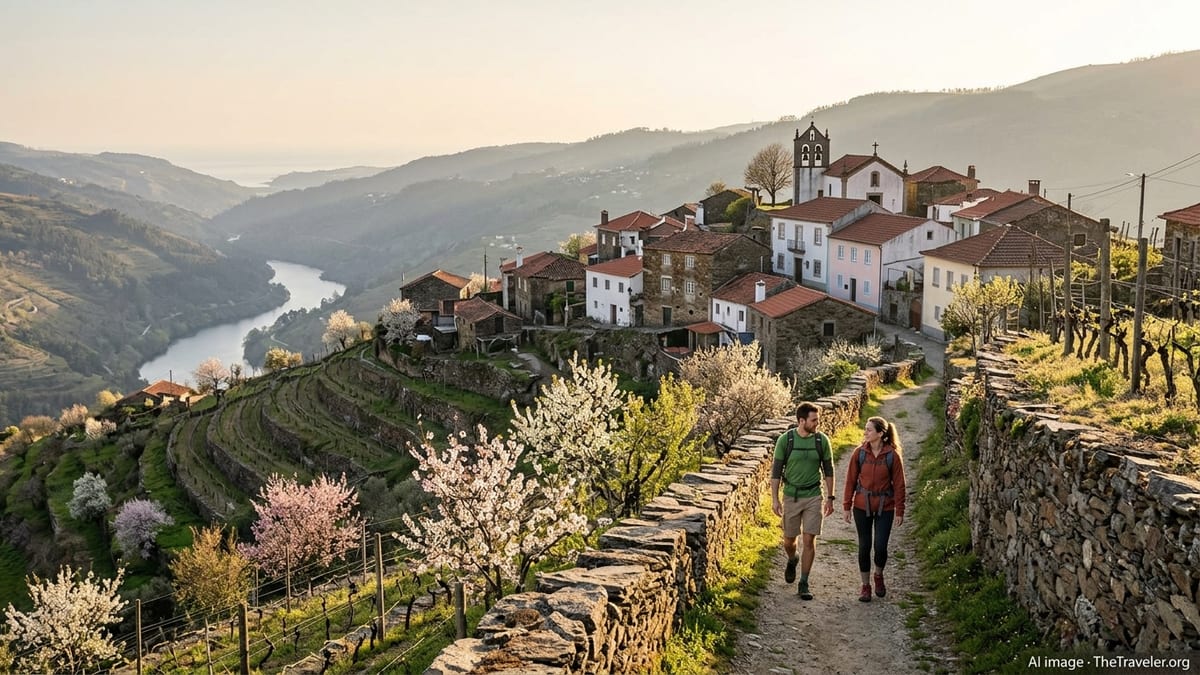
Rural Tourism Rises as Cities Face Overtourism Fatigue
Portugal’s tourism industry is entering the Easter period with rising interest in its countryside, from the Douro Valley to the schist villages of the interior. Published coverage on recent tourism data shows that the country has been recording new highs in overnight stays, while debates over crowding in Lisbon and Porto are nudging both policymakers and travelers to look inland for alternatives.
Reports indicate that younger visitors are among those most likely to pivot away from saturated city itineraries. For many in their 20s and 30s, rural Portugal promises a blend of affordability, slower rhythms and easier access to hiking, river activities and small-scale wineries. Travel media have highlighted destinations such as the Douro’s terraced vineyards and historic villages like Sortelha as emblematic of this quieter, more immersive style of holiday.
With Easter falling at the start of Portugal’s main tourism season, local operators in rural areas are positioning farm stays, guesthouses and small boutique hotels as crowd-free alternatives to urban rentals. Publicly available information from regional tourism agencies points to targeted promotion of lesser-known regions, particularly for shoulder-season travel in March and April when temperatures are mild and countryside landscapes are green.
This shift is also shaped by practical concerns. Rising accommodation costs in Lisbon and Porto, combined with a perception that the main city sights are increasingly busy even in spring, are encouraging younger travelers to build itineraries that include only a brief city stop before moving into the interior.
Millennials and Gen Z Seek Slow Travel and Sustainability
Global travel trend reports for 2025 note that Millennial and Gen Z travelers are showing stronger preferences for slower, experience-led trips and destinations marketed around sustainability and well-being. Portugal’s rural regions and islands align closely with these interests, offering hiking routes, agricultural experiences and small family-run accommodations that emphasize local food and lower-impact stays.
According to recent tourism analysis, younger visitors are increasingly booking longer stays in fewer places rather than fast-paced multi-country tours. In rural Portugal, that often translates into a week in a single valley or mountain region, with time for guided walks, wine tastings, visits to heritage villages and community-led cultural activities tied to Easter processions and local festivals.
Publicly available information on booking patterns suggests that this segment is also comfortable traveling outside the traditional summer peak, using flexible or remote work arrangements to extend an Easter break into a two- or three-week stay. That flexibility supports local businesses in shoulder seasons and helps smooth pressure on the country’s busiest coastal resorts.
Environmental messaging is another factor. Portugal has promoted nature reserves, dark-sky areas and hiking networks as alternatives to overtouristed beaches, and social media sharing by younger visitors is reinforcing the appeal of sunrise viewpoints, canyon trails and river beaches over crowded urban viewpoints.
Azores: From Under-the-Radar to Adventure Hotspot
The Azores, a mid-Atlantic archipelago of nine volcanic islands, have rapidly moved from niche to mainstream among younger travelers. Tourism statistics released for 2024 and 2025 show record overnight stays and revenue, with the islands recognized by international awards as a leading adventure tourism destination in Europe.
Published coverage notes strong growth in international arrivals, including from North America, where increased air connectivity helped turn Ponta Delgada on São Miguel into one of the fastest-growing transatlantic destinations in 2024. That trend is filtering into 2026 Easter bookings as online travel platforms and social media posts showcase the islands’ crater lakes, whale watching, canyoning and thermal springs.
For Millennial and Gen Z visitors, the Azores offer a combination of attributes that align closely with contemporary travel values: dramatic landscapes, a reputation for sustainability and a relatively small-scale tourism infrastructure centered on guesthouses, local lodges and rural tourism units. Younger travelers are drawn to hiking around Sete Cidades, soaking in hot springs near Furnas and exploring smaller islands by rental car or bicycle.
At the same time, recent regional commentary highlights some headwinds going into 2026, including concerns about reduced flight capacity and tighter promotion budgets. For Easter, that could result in a more competitive environment for attractive fares but may also reinforce the islands’ image as a place for those willing to plan ahead, travel light and prioritize landscapes over nightlife.
Madeira Balances Digital Nomads and Holidaymakers
Further south, Madeira is entering the Easter period with a profile built on both holiday tourism and its role as a European base for digital nomads. Reports on the Digital Nomads Madeira initiative describe how, since its launch in 2021, the island has attracted thousands of remote workers, many of them in younger age brackets, drawn by year-round spring-like weather, hiking routes and established coworking spaces.
Travel features and remote-work guides portray Madeira and its smaller sister island Porto Santo as destinations where visitors can blend workdays with levada walks, coastal viewpoints and village festivals. While some recent community discussions point to seasonality in the nomad scene and a noticeable presence of older tourists in the quieter winter months, the island’s positioning as a nature and wellness retreat remains strong heading into Easter.
In 2024, Madeira faced challenges from significant wildfires during the summer period, but current tourism indicators suggest that by early 2026 the destination continues to recover, supported by air links from multiple European hubs and sustained interest from remote workers. For Easter travelers, that means a landscape of reopened trails, coastal promenades and hotel terraces that emphasize outdoor living.
Millennial and Gen Z visitors are likely to split their time between Funchal, with its markets and cable cars, and smaller coastal or hilltop communities known for walking routes and viewpoints. Easter week also coincides with a calendar of religious processions and flower displays that add cultural depth to an otherwise nature-led stay.
Economic Opportunities and Pressures for Local Communities
The growing popularity of rural Portugal and the islands among younger travelers offers clear economic opportunities for communities that have spent decades facing depopulation and limited employment options. Tourism analysts point out that new guesthouses, adventure tour operators and small hospitality startups are emerging in areas that once depended largely on agriculture or remittances.
However, published coverage across Portugal also notes the need for careful management to avoid replicating urban pressures in smaller destinations. Concerns include rising housing costs, pressure on fragile ecosystems and the risk that traditional Easter celebrations and village life could be reshaped to meet visitor expectations.
Regional plans in both mainland rural areas and the autonomous regions emphasize spreading visitor flows across the year, setting capacity guidelines for sensitive trails and viewpoints, and supporting local ownership of tourism businesses. For Millennial and Gen Z travelers, who are often attuned to questions of impact, transparent communication around conservation and community benefit is becoming a selling point rather than a constraint.
As Easter 2026 nears, bookings data and industry forecasts suggest that Portugal’s rural heartlands, the Azores and Madeira will continue to gain visibility among younger visitors. The coming holiday period is expected to provide an early indicator of how well these regions can channel that interest into sustainable, community-aligned growth that preserves the landscapes and cultures drawing the new wave of travelers in the first place.