

More news on this day
Passengers travelling to, from and through Cambridge over the Easter 2026 bank holiday face significant disruption as intensive engineering works close key routes around the city and across Cambridgeshire.
Get the latest news straight to your inbox!
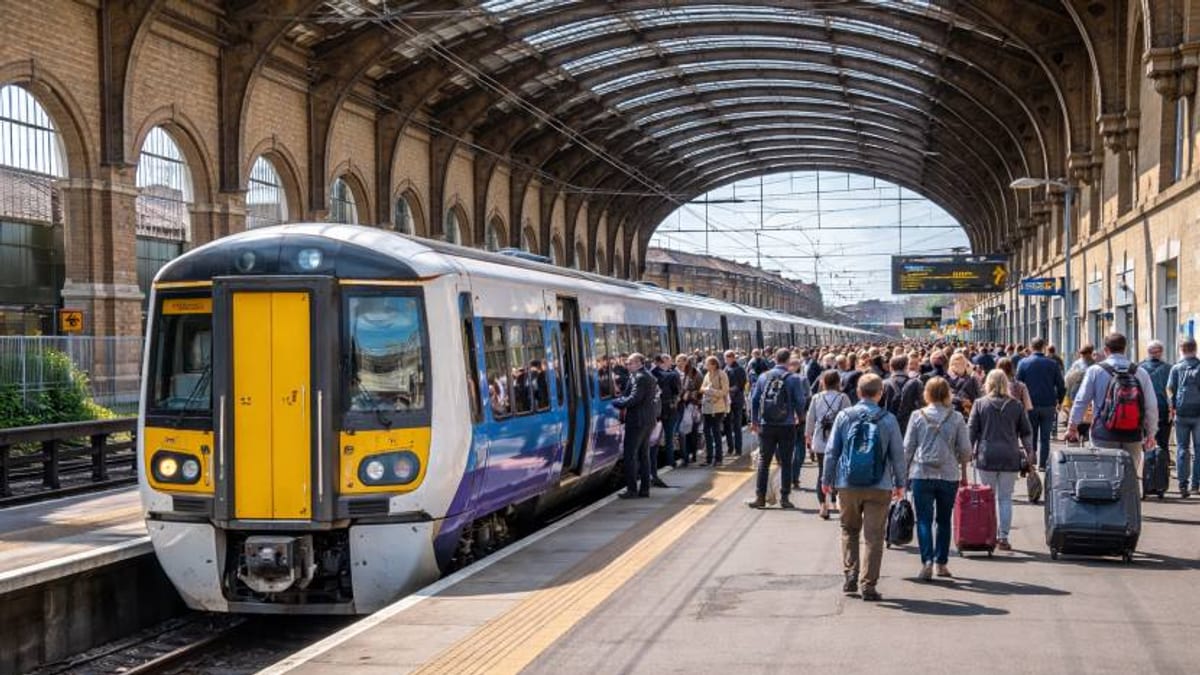
Image by Global Travel Alerts, Advisories, International Travel Alerts
When And Where The Easter Disruption Will Hit
The Easter bank holiday in 2026 runs from Friday 3 April to Monday 6 April, and this entire period is now earmarked for heavy rail engineering activity in the Cambridge area. Publicly available information from National Rail and operator updates shows that lines north and east of the city are among the hardest hit.
A central element of the disruption is the closure of all lines between Cambridge and Ely and between Cambridge and Bury St Edmunds across the long weekend. Journey planners indicate that no through trains will run on these sections while work is under way on track, signalling and associated infrastructure.
The effective shutdown of these corridors affects not only local journeys within Cambridgeshire but also longer distance routes that rely on the Cambridge to Ely section as a gateway to Norfolk, the Fens and cross‑country connections. Passengers who normally rely on straightforward direct services will face more complex and slower alternatives.
These works form part of a wider pattern of Easter rail blockades across Britain, as infrastructure managers make use of lower commuter demand to carry out projects that cannot be completed overnight or in short midweek possessions.
Routes, Operators And Services Affected
According to current engineering notices, services run by Greater Anglia are among the most affected in and around Cambridge. Trains normally operating between London Liverpool Street or Bishops Stortford and Cambridge North, between Stansted Airport and Norwich, and between Cambridge and Ipswich are all scheduled to be revised over the Easter weekend.
On the Cambridge to Ely axis, the closure means that trains from London and from the south that would usually continue towards King’s Lynn or Norwich via Ely will either terminate at Cambridge or be diverted. Replacement buses will cover the missing rail section, adding time and additional interchange for passengers heading to and from Fenland towns and the Norfolk coast.
Services towards Bury St Edmunds and Ipswich are similarly affected by the block between Cambridge and Bury St Edmunds. Rail replacement buses are expected to link the two points, with train services resuming beyond the engineering zone. Timetable summaries published for spring 2026 already flag altered stopping patterns and extended journey times on these corridors.
Great Northern and Thameslink services that use Cambridge as a through route towards King’s Lynn and Peterborough remain subject to the same infrastructure constraints between Cambridge and Ely. Even where trains continue to run between Cambridge and London King’s Cross, connections for onward travel may be more limited or require bus links.
Why So Much Work Is Concentrated Around Cambridge
The scale of the planned Easter disruption is closely tied to long‑term investment around Cambridge’s fast‑growing rail hub. Network‑wide project summaries describe a programme of track and signalling renewals across Anglia, including the busy approaches to Cambridge, as part of efforts to improve reliability and increase capacity.
Recent project documentation and independent coverage highlight continuing work connected to Cambridge South, the new station being built to serve the Cambridge Biomedical Campus. The station itself is expected to open later in 2026, but associated four‑tracking, junction remodelling and signalling changes around the south of the city have already prompted a succession of major possessions.
In parallel, wider renewal and enhancement of the routes from Cambridge towards Ely supports both passenger and freight growth, including links to Felixstowe and the East Coast ports. Upgrades to signalling and overhead line equipment, plus routine asset renewals, are being grouped into intensive blockades to avoid a rolling series of smaller weekend closures.
Industry performance reports for 2025 and early 2026 also point to an ongoing programme of track renewals on the East Coast route between London and Peterborough, with knock‑on effects for connecting services that pass through Cambridge and Ely. Concentrating some of the most disruptive work into the Easter window is presented as a way to speed up delivery while overall demand is relatively lower.
What Passengers Should Expect Over The Long Weekend
For passengers, the headline impact is longer journey times, more changes and bus links instead of trains on some of the region’s busiest routes. Rail replacement services are due to run between Cambridge and Ely and between Cambridge and Bury St Edmunds, with operators advising that journey times will be extended and that vehicles may be busy at peak holiday periods.
Those travelling to and from Stansted Airport may find that through trains to Norwich or Cambridge are diverted or curtailed, requiring additional changes at Cambridge or alternative routes via London. Travellers heading to the coast or to rural destinations that depend on the Ely hub should be prepared for indirect routings and possible crowding on remaining rail services.
Accessible travel is another key consideration. National guidance notes that not all replacement buses can carry mobility scooters or large cycles, and that step‑free access may differ from that offered at stations. Passengers with reduced mobility or specific access needs are being encouraged, through published advice, to check the level of support available in advance and to allow extra time for boarding and connections.
Because this is a bank holiday with a high share of leisure and family travel, rail user groups and independent travel guides are warning that last‑minute changes are likely as operators refine timetables and vehicle allocations in the run‑up to the weekend.
How To Plan Around The Easter 2026 Rail Chaos
Journey planners and operator timetables for spring 2026 already incorporate the Easter engineering works, but further refinements are expected closer to the date. Passengers are being urged in public travel advice to recheck their itineraries in the week before departure, as final timings for bus connections and diverted trains can change.
For some journeys within Cambridgeshire, alternative rail routes may offer a less disrupted option. Travellers between London and Cambridge, for example, may find that certain direct Great Northern or Thameslink services via King’s Cross are less affected than routes via Ely or Ipswich, even if onward connections from Cambridge are limited.
Local public transport, including the Cambridgeshire Guided Busway and regional bus networks, may provide another workaround for some corridors. However, planned road works and existing journey time extensions on the busway mean that passengers should not assume road‑based alternatives will be faster in every case.
Advance ticket holders are advised, in publicly available guidance, to check whether their tickets are valid on alternative routes or operators on days when rail replacement is in operation. Some flexibility is typically offered during major engineering blockades, but conditions vary by operator and by ticket type, and passengers may need to adjust departure times to stay within the rules.