

More news on this day
Easter holidaymakers are being urged to brace for significant air travel disruption, with fresh data and recent incidents indicating that on some key routes as many as one in 20 flights are being cancelled amid a mix of bad weather, strike action and operational pressures.
Get the latest news straight to your inbox!
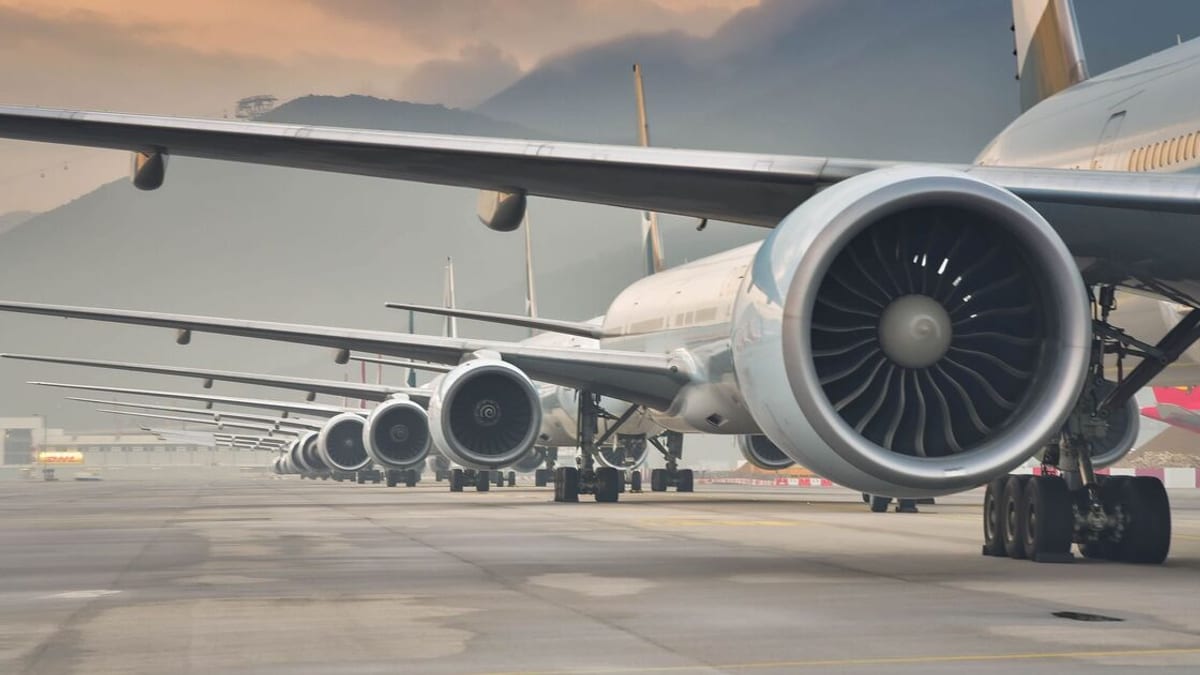
Image by Daily Express
Stormy Easter forecast raises disruption risk
Strong wind alerts across parts of the United Kingdom and Ireland are coinciding with one of the busiest travel periods of the year, creating a volatile backdrop for Easter flight schedules. Forecasts for the Easter weekend highlight gusts that could reach severe gale force in exposed areas, prompting yellow weather warnings for very strong winds and the prospect of hazardous conditions for take-offs and landings.
Broadcast weather coverage in Britain notes that gusts could reach up to 90 miles per hour in some coastal and upland regions over the coming days, with the most intense conditions expected from late Saturday into Easter Sunday. Meteorologists indicate that while rainfall will be intermittent, wind is likely to be the main driver of travel disruption, with potential short-notice ground stops, diversions and late-notice cancellations at some airports.
Weather-related disruption has already featured prominently in recent weeks, with airports in both North America and Europe reporting hundreds of cancellations and widespread delays during storm systems. Analysts suggest that this pattern, combined with constrained airline staffing reserves, leaves networks more vulnerable to knock-on disruption during peak holiday periods such as Easter.
For travellers, the combination of strong winds and high demand means even minor schedule changes can quickly cascade into missed connections and overnight stays, particularly on multi-leg itineraries routed through major hubs.
Strikes and airspace issues push cancellation rates higher
Industrial action in parts of Europe is adding a further layer of uncertainty for Easter passengers. Recent updates from aviation industry outlets highlight strike threats among airport and aviation workers in Spain, a crucial market for Easter sun destinations, raising the risk of delays and targeted cancellations on popular leisure routes.
Travel industry monitors report that strike days in major European markets can see cancellation rates spiking to around 5 percent on the most affected city pairs, effectively resulting in one in 20 scheduled flights being withdrawn. Even when contingency rosters are deployed, reduced staffing at security, baggage handling or air traffic control can force airlines to trim schedules in advance to maintain safety margins.
Beyond labour disputes, ongoing geopolitical tensions and periodic airspace restrictions in parts of the Middle East are also reshaping long-haul flight plans. Publicly available guidance shows carriers rerouting or cancelling selected services where overflight permissions are limited or security advisories are in place, which in turn tightens aircraft availability on other routes during peak periods.
Industry observers note that this mix of structural pressures means airlines are increasingly pre-emptive about cancelling flights rather than risking late operational breakdowns, a strategy that can help avoid severe day-of chaos but still leaves thousands of passengers rebooking at short notice.
Airport pinch points from the UK to Ireland and beyond
Across Europe, a number of airports are emerging as critical pressure points for Easter travel. In Ireland, Cork Airport has projected more than 65,000 passengers over the holiday period, signalling a robust rebound in outbound demand to sun destinations. At the same time, industry coverage points to potential disruption on routes linking Ireland and the Iberian Peninsula, where industrial action at Spanish airports could ripple through flight schedules.
In the United Kingdom, regional hubs such as Manchester, Liverpool, Newquay and London airports have already experienced days of significant disruption this spring, with several hundred flights delayed and dozens cancelled in a single day on multiple occasions. Recent operational snapshots from aviation news platforms show carriers including major flag airlines and low-cost operators trimming or scrubbing services when weather, staffing, or technical issues converge.
Elsewhere, busy hubs on both sides of the Atlantic have seen bursts of cancellations linked to thunderstorms and winter weather systems, notably at Chicago O’Hare and other central U.S. airports. While not specifically tied to Easter, these events illustrate how quickly a localised storm can strand thousands of passengers and exhaust available hotel and rebooking capacity, a risk magnified when holiday demand is at its peak.
Airport operators and travel organisations are broadly advising passengers to build in extra time, anticipate queueing at security and border control, and prepare for last-minute gate changes or aircraft swaps that can alter seat assignments and baggage connections.
Airlines under pressure as bookings surge
Carriers across Europe and North America are heading into the Easter period with aircraft and crews already operating near capacity, reflecting a strong recovery in leisure demand. Industry analyses note that in these conditions, even a modest increase in cancellations can translate into a large number of disrupted journeys, as spare seats on alternative flights are scarce.
Some airlines have recently faced regulatory scrutiny and penalties linked to earlier mass disruption events where aggressive scheduling left little margin for crew availability or maintenance setbacks. Aviation commentators argue that this has led to a more cautious operational stance at some carriers, including the decision to cancel flights earlier in response to emerging problems rather than attempting to push through and risking widespread knock-on delays.
Travel data firms tracking day-of performance at key airports this year show that on the worst-hit days, total cancellations and heavily delayed departures regularly exceed 5 percent of scheduled flights in specific markets. For passengers, that level of disruption means a noticeably heightened risk of their individual flight being affected, especially on popular leisure routes concentrated over a narrow window such as the Easter weekend.
The financial impact for airlines is also significant, with compensation rules in regions such as the European Union and the United Kingdom obliging carriers to cover meals, accommodation and in some cases cash payments when cancellations are not directly attributable to extraordinary circumstances like extreme weather or air traffic control restrictions.
How Easter travellers can reduce disruption risk
Travel advisors are encouraging Easter passengers to adopt a more defensive approach to trip planning in light of the heightened cancellation risk. Booking early-morning departures, favouring direct flights over itineraries with tight connections, and avoiding the final flight of the day on a given route are among the commonly recommended strategies to reduce vulnerability to cascading delays.
Consumer guidance also emphasises the importance of using airline apps and airport notification services for real-time information on gate changes, boarding times and disruption alerts. Experience from recent weather and strike events suggests that digital channels typically update more quickly than airport departure boards, giving travellers a small but meaningful advantage when queues build or rebooking windows narrow.
Passengers are additionally being urged to review the conditions of carriage and local passenger rights frameworks that apply to their ticket, as entitlements to refunds, re-routing or compensation can vary significantly between regions and fare classes. In Europe, for example, fixed compensation bands apply in many scenarios where flights are cancelled at short notice for reasons within an airline’s control.
With Easter demand high and operational conditions unsettled, analysts advise that travellers who must arrive by a specific date consider travelling a day earlier than planned, where possible. While the vast majority of flights are still expected to operate, current patterns of weather volatility, industrial action and tight airline schedules mean that for some routes this Easter, as many as one in 20 flights may not take off as originally planned.