

More news on this day
Millions of people setting off on Easter 2026 getaways across the United Kingdom are facing a turbulent weekend as powerful storms, major rail engineering works and overseas strike action combine to cause widespread delays and last minute cancellations.
Get the latest news straight to your inbox!
Storm Dave Brings Hazardous Winds And Rain To Holiday Routes
Weather forecasters are warning that Storm Dave will dominate conditions over the Easter bank holiday, bringing very strong winds, heavy rain and pockets of disruptive snow, particularly in northern parts of the UK. Yellow warnings for wind have been issued for large areas of England, Wales, Scotland and Northern Ireland over the core getaway period, raising the likelihood of fallen trees, debris on roads and difficult driving conditions.
Reports indicate that gusts could reach storm-force speeds on exposed coasts and high ground, especially in Scotland, northern England and north Wales. Higher routes are at risk of temporary closures or speed restrictions, while bridges and elevated sections of motorway network may be subject to short-notice safety checks. Hikers and outdoor visitors heading for upland areas are being urged in public advisories to reassess plans as blizzards and gale-driven snow showers are forecast on some summits.
Publicly available information from meteorological updates suggests the storm will move in from the Atlantic during Saturday, intensifying into Easter Sunday before gradually easing into Monday. The unsettled pattern means conditions are expected to fluctuate, with brief brighter interludes quickly replaced by bands of heavy rain and squally showers. Travellers are being advised by transport operators and forecasters to check conditions on the morning of departure rather than relying on earlier assumptions.
Aside from the direct safety risks, the combination of high winds and saturated ground increases the chance of overhead line problems on rail routes and flooded sections of road. Previous storms this winter have already weakened some infrastructure, and operators are preparing for precautionary speed limits and temporary suspensions in the areas expected to see the strongest gusts.
Rail Network Hit By Euston Shutdown And Regional Engineering Works
The rail network is facing one of its most disruptive Easter periods in recent years, with extensive engineering works scheduled on key intercity and commuter corridors just as leisure travel peaks. The most significant pinch point is on the West Coast Main Line, where London Euston services are heavily curtailed as Network Rail replaces a major bridge, renews track and upgrades signalling over several days.
According to published coverage, intercity operator Avanti West Coast has suspended its usual through services between London and destinations including Birmingham, Manchester, Liverpool and Glasgow. Many trains are terminating at Milton Keynes Central instead, forcing passengers to transfer to alternative routes or rail replacement coaches for the final stretch into the capital. Industry notices highlight that disruption is set to extend beyond the four-day bank holiday, with altered timetables continuing into the middle of next week.
Elsewhere, additional works are affecting cross-country and regional lines, including routes through parts of eastern England and the Midlands. Some stations are being served by fewer trains, while overnight maintenance on commuter lines into major cities is spilling into early-morning departures, cutting capacity on popular timeslots for day-trippers. Travel analysts note that because Easter travel is heavily leisure-focused, the impact is being felt acutely by families and occasional rail users who are less familiar with diversions and alternative operators.
Industry statements ahead of the holiday have stressed that a majority of services are still running and that the works are deemed necessary to improve reliability later in the year. However, passenger groups and independent travel sites are warning that last-minute platform changes, rolling stock shortages and crowding on the remaining trains are likely, particularly if weather-related speed restrictions are introduced at short notice.
Air Passengers Squeezed By Weather And Overseas Strikes
Air travel is also under pressure as the stormy conditions coincide with heavy passenger numbers at UK airports and industrial action at key European hubs. Strong crosswinds are expected to trigger occasional flow restrictions on take-offs and landings at busy airports, increasing the risk of delays when coupled with the usual holiday queues at security and boarding gates.
At the same time, travellers heading from the UK to Spain for Easter sunshine are being told to prepare for possible disruption linked to an indefinite strike by airport ground staff at multiple Spanish airports. According to reports from European media outlets, industrial action by workers employed by a major handling company has already led to delays and cancellations during the run-up to the holiday, and further stoppages are scheduled across the Easter period.
The strike primarily affects baggage handling, aircraft turnaround and check-in support, creating knock-on effects for airlines operating from British cities to Spanish destinations popular with Easter holidaymakers. Some carriers have adjusted schedules, consolidated flights or issued flexible rebooking policies, while travel agents are advising customers to allow extra time for check-in and to monitor airline notifications closely.
Industry commentators highlight that this combination of domestic weather disruption and overseas labour disputes is especially challenging for families travelling with children and checked luggage. A delay or cancellation on either leg of a journey can quickly cascade into missed connections and lost hotel nights, particularly on short three or four day breaks.
Roads Braced For Record Getaway Traffic In Difficult Conditions
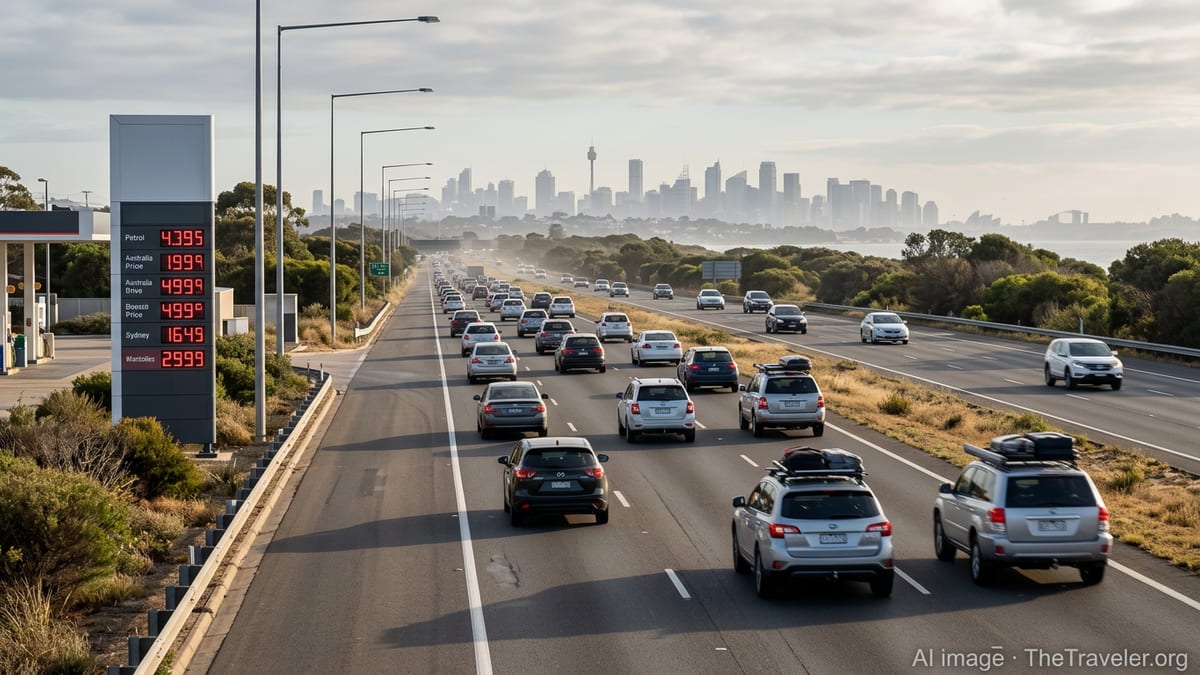
Despite the unsettled forecast and rail disruption, demand for Easter getaways remains high. Motoring organisations and transport data providers expect some of the busiest road conditions since before the pandemic, with tens of millions of leisure journeys planned between Good Friday and Easter Monday as households opt for domestic trips or drive to airports and ferry ports.
Forecasts for Storm Dave suggest that the most challenging conditions on the roads will coincide with peak getaway times, particularly on Saturday and Easter Sunday. Heavy rain, surface water and spray are likely to reduce visibility on motorways and major A-roads, while strong side winds could make driving difficult for high-sided vehicles, caravans and motorhomes. On higher ground in Scotland and northern England, wintry showers could lead to temporary closures or restrictions on exposed passes.
Traffic analysts say that popular holiday routes from London and the Midlands to coastal areas, national parks and tourist towns may be especially congested, amplifying the impact of any collision or closure. With train services reduced on some long-distance routes, more people are expected to shift to cars or long-distance coaches, increasing pressure on already busy corridors.
Roadside assistance providers are reminding drivers to carry warm clothing, food, water and phone chargers in case queues build up behind incidents or weather-related closures. Public travel advice stresses the importance of checking live traffic updates, allowing additional journey time and avoiding last-minute departures during the worst of the conditions if plans can be adjusted.
What Travellers Can Do To Reduce Disruption Risk
With multiple layers of disruption affecting Easter 2026 travel, planners suggest that the most effective response for passengers is to build flexibility and extra time into their journeys. For rail users, this means checking operator websites and journey planners up to the day of travel, looking for warnings of engineering works, short-notice cancellations or train length reductions that could lead to crowding.
Air passengers are being encouraged by airlines and travel advisers to confirm flight status before leaving home, use airline apps for real-time gate and schedule information, and consider packing lighter or with carry-on only where practical, particularly for flights to Spanish destinations affected by strikes. Those with connecting flights may wish to allow longer transfer windows or explore options to rebook onto earlier departures if severe weather is forecast around their original slot.
For those travelling by road, motoring organisations advise planning routes that include weather-safe alternatives to exposed bridges and high passes, especially in regions under wind or snow warnings. Adjusting departure times to avoid the heaviest rain bands or the windiest part of the day can significantly reduce stress levels, even if it means arriving earlier or later than originally planned.
Across all modes, consumer advocates emphasise the value of understanding basic passenger rights in cases of significant delay or cancellation, including when disruption stems from weather or strikes outside the UK. While compensation rules vary between operators and routes, knowing what support may be available for meals, accommodation or rebooking can help travellers make faster decisions when plans are upended by Easter’s unfolding mix of storms and strikes.