

More news on this day
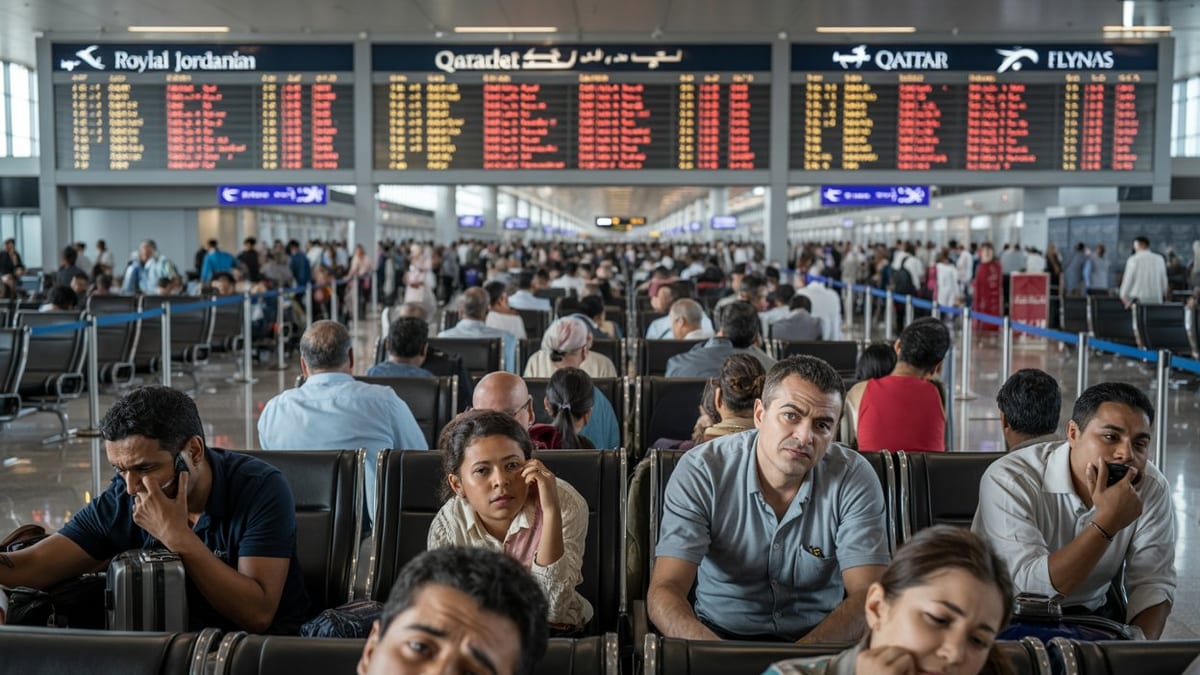
Easter weekend air travel across the United States descended into widespread disruption as tracking data showed 339 flight cancellations and 3,577 delays, stranding thousands of passengers at major hubs including Chicago, Dallas, Atlanta and Orlando.
Get the latest news straight to your inbox!
Holiday Rush Meets Fragile Flight Networks
Publicly available flight-tracking figures for the Easter period indicate that the combination of peak holiday demand and unsettled weather quickly exposed the fragility of U.S. airline schedules. Despite carriers planning for elevated passenger volumes, the margin for error at the nation’s busiest hubs remained thin. Once early-morning services began to slip behind schedule, knock-on effects intensified through the afternoon and evening.
Reports focusing on Easter weekend operations highlight that 339 cancellations were logged across U.S. airports, alongside 3,577 delayed departures and arrivals. Chicago O’Hare, Dallas Fort Worth, Hartsfield-Jackson Atlanta and Orlando International stood out among the hardest-hit facilities, with packed terminals, rolling gate changes and growing queues at customer-service counters.
Aviation analysts note that modern hub-and-spoke networks can amplify relatively local problems into national disruption. When a thunderstorm cluster or low cloud base slows traffic into a key hub, the impact is felt not only on non-stop routes but also on dozens of onward connections that rely on precise timing of aircraft rotations and crew schedules.
The Easter timing added an extra layer of complexity. Many travelers were on fixed itineraries for family gatherings or vacations, leaving them with little flexibility to accept alternate routings or next-day departures when their original flights were delayed or canceled.
Chicago, Dallas, Atlanta and Orlando Bear the Brunt
Data compiled over the Easter travel window show that Chicago O’Hare emerged as a central pressure point, with hundreds of delays and several dozen cancellations recorded in a short time frame. The airport’s role as a major connecting hub for both domestic and transatlantic traffic meant that disruptions in Chicago cascaded through secondary airports across the Midwest, the East Coast and even into Canada and Europe.
Dallas Fort Worth International and Dallas Love Field also featured prominently in disruption tallies, with tracking tools pointing to more than one hundred combined delays and cancellations around Easter Saturday and into Sunday. Weather systems moving across the Dallas–Houston corridor, combined with already elevated delay levels ahead of the holiday, created a bottleneck that rippled through domestic and international services.
In the Southeast, Atlanta’s Hartsfield-Jackson airport recorded substantial delays as storms and heavy winds slowed arrivals and departures. As one of the world’s busiest hubs, the airport’s challenges were quickly reflected in missed connections on routes linking smaller cities to the national network.
Orlando, a magnet for leisure travel during school holidays and long weekends, contended with its own wave of disruption. Recent patterns at the Florida gateway show that high leisure demand, tight turnaround times and weather-sensitive afternoon schedules can combine to produce clusters of late departures, particularly on routes to and from major hubs such as Chicago, Dallas and Atlanta.
Weather, Staffing and System Strain Combine
Reports from aviation publications and flight data aggregators point to a familiar trio of causes behind the Easter chaos: convective weather, staffing constraints and the cumulative strain of a busy spring travel season. Thunderstorms and low clouds around Chicago and North Texas disrupted carefully timed arrival and departure banks, forcing temporary traffic-management programs and spacing requirements in affected airspace.
At the same time, ongoing staffing challenges in parts of the aviation system limited the ability of airlines and airports to absorb irregular operations. Ground handling, customer service and maintenance teams operated close to capacity, which made recovering from schedule shocks more difficult once delays began to escalate.
Industry coverage of recent disruption cycles suggests that the United States network is still adjusting to higher demand following the quieter travel years earlier in the decade. Airlines have added capacity back into schedules, but equipment availability and crew positioning remain sensitive to even short periods of adverse weather or airspace constraints.
The result over Easter was a pattern in which relatively contained weather events translated into outsized operational disruption. Once cancellations began, aircraft and crews fell out of place, leading to further delays even in regions where local weather remained relatively stable.
Knock-on Effects for Domestic and International Travelers
The immediate consequences of the Easter weekend disruption were visible at departure boards in major and mid-sized airports across the United States. According to compiled delay logs, connections through hubs such as Chicago O’Hare and Dallas Fort Worth were particularly vulnerable, leaving travelers on multi-leg itineraries struggling to reach final destinations on the same day.
International travelers also felt the impact. Long-haul routes linking Dallas and Chicago with destinations such as London, Tokyo and Mexico City rely on a limited number of daily departures. When one of those flights is canceled or pushed back substantially, passengers can face rebooking windows measured in days rather than hours, along with accommodation and visa considerations.
Reports indicate that some travelers attempting to reach Florida, the Caribbean or Latin American destinations over Easter were rerouted through alternative hubs at short notice. These diversions often involved overnight stays or long layovers, adding cost and complexity to trips originally planned as straightforward weekend or weeklong vacations.
Public information from airports and airlines emphasizes that such knock-on effects are an inherent risk in hub-based systems, particularly at peak travel times. Once a major node experiences instability, secondary and tertiary routes may see abrupt schedule changes as carriers prioritize repositioning aircraft and preserving a core set of services.
What Easter Disruption Signals for the Summer Travel Season
The scale of cancellations and delays logged over Easter weekend is already prompting comparisons with previous high-profile disruption episodes and fuelling debate over how prepared the U.S. aviation system is for the upcoming summer peak. Analysts reviewing Easter data suggest that, while the numbers are lower than the most severe historical meltdowns, they highlight persistent vulnerabilities at key hubs.
Historical delay statistics compiled by federal oversight bodies show that airports such as Chicago O’Hare, Atlanta, Dallas Fort Worth and Orlando routinely appear near the top of national rankings for total delay minutes. The Easter figures fit that pattern, reinforcing concerns that even moderate weather or airspace challenges can quickly trigger large-scale disruption when schedules are tightly packed.
Consumer advocates argue that the Easter episode underlines the importance of clear communication around passenger rights and airline obligations during irregular operations. Guidance from transportation authorities and airline policy documents outlines circumstances in which travelers may be entitled to refunds, rebooking or other assistance, but awareness of those rules remains uneven among the traveling public.
For travelers looking ahead to late spring and summer, the Easter weekend serves as a reminder to build additional time into itineraries involving tight connections, especially through weather-prone hubs. Industry observers also point to the growing value of monitoring real-time flight data and airport performance indicators, not only at departure and destination points but also at intermediate hubs that can influence the outcome of a long-planned trip.