

More news on this day
Easter holidaymakers across Europe and the Middle East have faced significant air travel disruption this season, with British Airways and Turkish low cost carrier Pegasus Airlines experiencing widespread delays and cancellations across their networks at one of the year’s busiest travel peaks.
Get the latest news straight to your inbox!
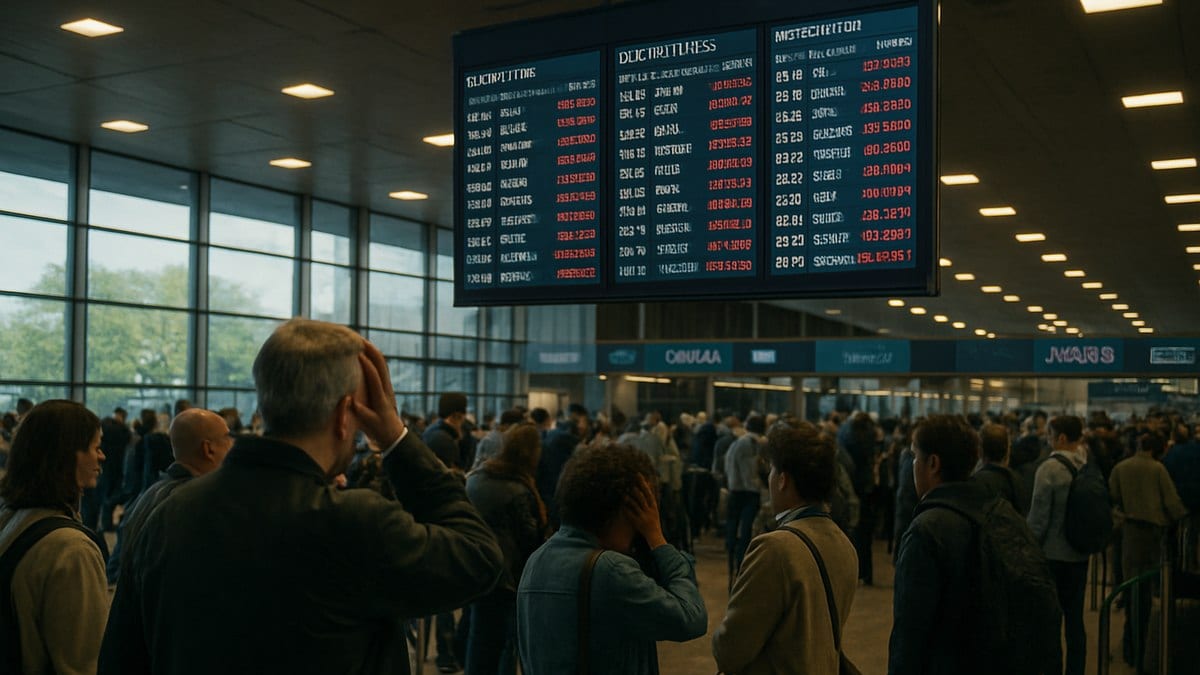
Heavy Holiday Traffic Meets Fragile Operations
Easter has become one of the most challenging periods of the year for European aviation, with passenger numbers rivaling the height of summer. Industry data compiled for the 2023 and 2024 Easter weekends already showed elevated disruption at major UK airports, and early indications from 2026 suggest a similar pattern, with London Heathrow again emerging as a pressure point for British Airways’ schedule.
Reports from UK travel rights specialists note that hundreds of flights into and out of Heathrow were delayed or cancelled through March in the run up to Easter 2026, creating knock on effects across British Airways’ short haul and long haul network. Tight turnaround times and high aircraft utilization meant that individual delays often cascaded into missed connections and missed crew positioning later in the day.
For Pegasus Airlines, the pressure has been most visible at Istanbul’s Sabiha Gokcen Airport, its main base. Adverse weather systems forecast around the Easter period prompted proactive capacity cuts across several days, with the carrier announcing pre planned cancellations on dozens of departures and arrivals because of strong winds and low visibility over the Asian side of the city.
In both cases, the disruptions hit at exactly the moment leisure travelers were most reliant on tight itineraries, particularly those making once a year family trips or religious pilgrimages tied to fixed holiday dates.
Weather and Congestion Trigger Cancellations
Weather has played a decisive role in the latest round of Easter air travel problems. In Istanbul, official airport notices pointed to deteriorating conditions around March 29 and March 30, prompting Sabiha Gokcen’s operator to instruct airlines to reduce their operations. Pegasus subsequently confirmed that dozens of its flights would be mutually cancelled on those dates, urging passengers to monitor digital channels for live updates.
At Heathrow, persistent bouts of poor weather through March combined with already packed schedules to leave little room for recovery when things went wrong. Publicly available analyses of Heathrow’s performance show that even modest ground handling delays or temporary flow restrictions can quickly cause bottlenecks across terminals, particularly for carriers such as British Airways that concentrate a large share of their global network at a single hub.
Operational resilience remains a key concern. Aviation analysts note that many European airlines trimmed scheduling buffers during the post pandemic ramp up, adding extra flights without fully restoring staffing reserves in ground operations, engineering and cabin crew. As a result, periods of heavy holiday demand, such as Easter, expose underlying vulnerabilities that may remain hidden during quieter weeks.
For passengers, the practical effect has been last minute messages about cancelled departures, longer than expected waits at departure gates and, in some cases, the need to overnight unexpectedly while rebooking options are arranged on later flights or partner airlines.
Knock On Effects Across European and Middle Eastern Routes
The impact of the Easter disruption has extended well beyond London and Istanbul. British Airways’ cancellations at Heathrow have affected connecting traffic bound for North America, Southern Africa and the Mediterranean, as missed inbound flights led to aircraft and crews being out of position for onward services. Travel forums in late March and over the Easter weekend carried multiple accounts of passengers facing 24 hour re timings or reroutes via other European hubs to reach their final destinations.
On Pegasus, schedule cuts at Sabiha Gokcen have rippled across its dense short haul network linking Turkey with destinations in Germany, the Balkans and the Middle East. Low cost operations are typically built around tight aircraft rotations, so the cancellation of one or two rotations due to weather at the hub can quickly remove capacity on seemingly unrelated routes several hours later in the day.
Some passengers traveling through secondary airports, such as Muscat, also reported disruption as Pegasus and partner carriers adjusted services in response to regulatory checks and operational advisories in the days leading up to Easter. In an environment where many connections already involve overnight timings or limited daily frequencies, any unexpected cancellation can translate into long delays for stranded travelers.
Industry observers note that while individual incidents vary, the combined effect is a patchwork of disruption across a wide geography, with British Airways and Pegasus sitting at the center of many of the most heavily affected itineraries.
Passenger Rights and What Travelers Can Expect
The repeated Easter disruption has renewed attention on passenger protections and compensation rules. In the United Kingdom, British Airways customers on flights departing from or arriving into UK airports are generally covered by the retained EU261 and UK261 regimes, which set out potential entitlements to compensation, rerouting and care when flights are significantly delayed or cancelled. Consumer advocates stress, however, that payments depend on whether the disruption was within the airline’s control or caused by extraordinary circumstances such as severe weather or airspace closures.
For Pegasus passengers, rights are governed primarily by Turkish civil aviation regulations, including the SHY PASSENGER framework, which outlines obligations on rebooking, refunds and, in some cases, financial compensation for long delays or missed connections on itineraries beginning in Turkey. Recent cases discussed publicly by travelers highlight that claims can take weeks to process, particularly when airlines argue that cascading weather effects were outside their direct control.
Travel experts recommend that Easter passengers affected by cancellations or lengthy delays keep boarding passes, booking confirmations and receipts for essential expenses such as meals and accommodation, as these may be needed when submitting formal claims. They also advise checking whether travel insurance policies include specific coverage for missed connections and long delays during peak holiday periods, since not all disruptions will meet the thresholds set by statutory schemes.
While regulators across Europe and in Turkey have signaled an interest in improving on time performance and enforcing existing rules, the experience of this Easter suggests that meaningful change will depend on airlines building more slack back into their schedules and coordinating closely with airport operators and air traffic control to manage peak traffic more effectively.
Planning Ahead for Future Easter Getaways
The latest turmoil at British Airways and Pegasus during Easter adds to a growing body of evidence that this period is particularly vulnerable to disruption. Industry data from recent years shows that Good Friday through Easter Monday consistently records some of the highest combined rates of delay and cancellation in the European calendar, across both legacy and low cost airlines.
Travel planners now increasingly advise that passengers with critical time sensitive commitments consider adding extra margin into their itineraries, such as arriving a day earlier for cruises, weddings or onward long haul connections, rather than relying on tight same day links over Heathrow or Istanbul. For those with flexibility, choosing early morning departures is often recommended, as these flights are less exposed to knock on delays that accumulate throughout the day.
The experience of Easter 2026 is also likely to inform how British Airways and Pegasus structure their future seasonal schedules. Analysts expect carriers to revisit aircraft utilization targets, crew rostering and standby capacity at their main hubs, weighing the commercial benefits of maximized seat offerings against the reputational cost of repeated holiday chaos. With demand for religious and spring break travel showing little sign of slowing, the challenge for airlines will be to match that appetite with more robust and passenger friendly operations.