

More news on this day
Easter marks one of the busiest periods for UK aviation, and new analysis of punctuality data and recent Easter disruption reports sheds light on how Bournemouth Airport compares with larger hubs when it comes to flight delays.
Get the latest news straight to your inbox!
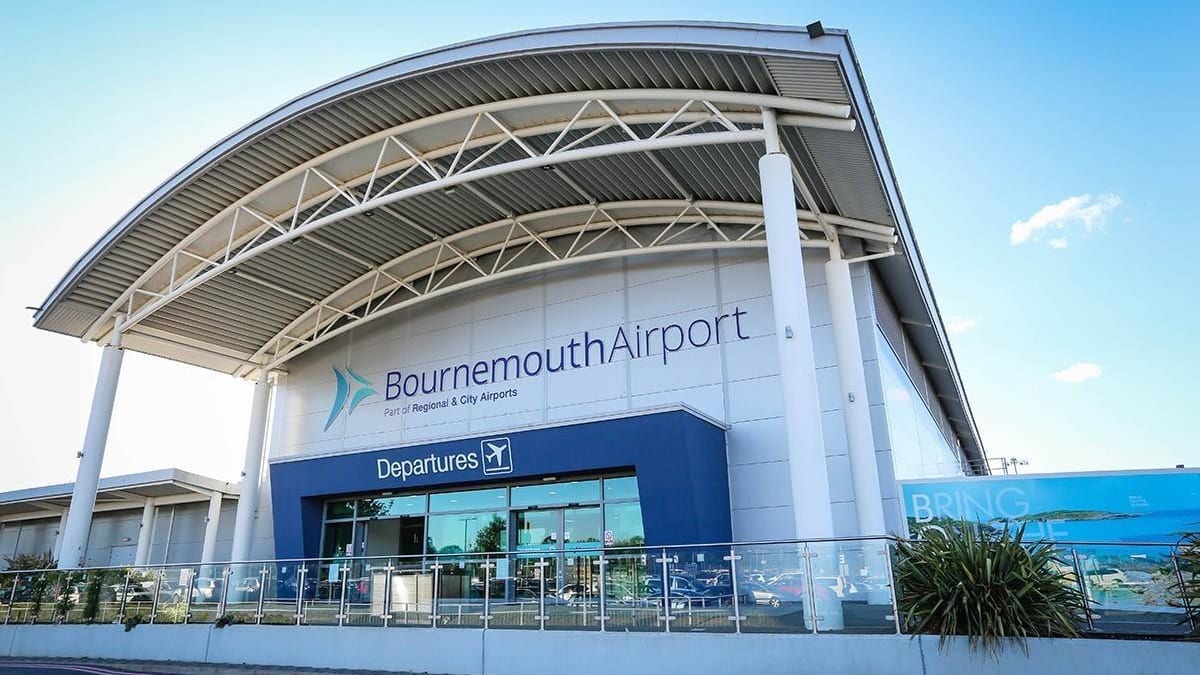
Easter demand puts UK airports under pressure
The Easter school holidays routinely trigger a spike in air travel as families head for early sunshine breaks and city getaways. Travel data providers and aviation regulators consistently highlight the long Easter weekend as one of the most pressurised times of year for airline schedules, with congestion, staffing constraints and volatile spring weather all contributing to delays.
Recent analysis of Civil Aviation Authority statistics for 2024, combined with Easter-focused disruption reports from travel intelligence firms, underlines how fragile punctuality can be at this time of year. Across major UK airports last year, average delays were close to 20 minutes per departing flight, with some hubs significantly exceeding that figure during peak holiday weekends.
Published coverage of performance at Easter 2024 and in the run-up to Easter 2025 points to a pattern of particular strain at London’s busiest airports. Reports indicate that Gatwick and other large bases serving high volumes of low cost and leisure traffic have experienced some of the heaviest congestion, especially when air traffic control staffing issues coincided with holiday surges.
Against this national backdrop, the picture at regional airports such as Bournemouth looks more nuanced. While they handle far fewer flights than the main London hubs, their Easter schedules are heavily concentrated around sun destinations, meaning that even moderate disruption can have a visible impact on holidaymakers.
Where Bournemouth sits in the national delay rankings
Looking at annual performance provides a useful benchmark for understanding what passengers might expect around Easter. Civil Aviation Authority data for 2024, widely reported by national media, showed that Bournemouth Airport was among the UK airports with above average departure delays. One widely cited analysis of the figures placed Bournemouth within the top 10 UK airports for delays, with an average wait in the high teens of minutes per departing flight, compared with a national average of just over 18 minutes.
In that ranking, Bournemouth sat well below the worst performing airports but still on the less punctual side of the national picture. Gatwick, for example, recorded average delays of more than 23 minutes in 2024, putting it at the top of the table for the second year in a row according to multiple outlets. Several other large bases, including Stansted and Manchester, were also reported to have typical delays of around 20 minutes or more.
Bournemouth’s position is significant because it reflects a mid tier performance rather than either extreme. Passengers using the airport are statistically more likely to see some delay than at the very best performing regional hubs, but they are less exposed to long waits than those travelling through the busiest London airports at peak times. For Easter trips, that translates into a realistic expectation of short to moderate delays rather than widespread severe disruption, provided wider air traffic control issues do not intervene.
The rankings also need to be seen in the context of Bournemouth’s size. With a comparatively modest number of flights, a small cluster of delayed departures can move its average more sharply than at a major hub handling hundreds of daily movements. That sensitivity helps explain why the airport features in national delay tables even though its absolute number of disrupted passengers is far lower than at the UK’s biggest airports.
Easter specific disruption trends
While annual averages give a broad indication of performance, Easter weekends often look different from the rest of the year. Travel analysts reviewing recent Easter periods report that the share of UK flights delayed by more than 15 minutes has at times approached, and in some years exceeded, one in four departures. Those figures capture the combined effect of holiday demand, congested airspace over popular European routes and seasonal weather fronts.
Reports focusing on Easter disruption between 2022 and 2025 highlight that larger London airports tend to dominate lists of the worst affected for holiday delays. Analyses of Easter schedules frequently point to both Heathrow and Gatwick, together with busy short haul hubs such as Luton and Stansted, as the airports where passengers are most likely to experience queues at security and boarding, followed by late departures.
By contrast, Bournemouth’s Easter experience appears more mixed. Because the airport’s schedule is heavily weighted towards leisure routes, any operational pinch points can quickly cascade across a day of departures. However, publicly available data and regional media coverage do not place Bournemouth among the most severely disrupted UK airports at Easter in recent years, and it is generally absent from the holiday specific top five for delays that focus on larger bases.
This suggests that, although Bournemouth’s overall average delay places it in the national mid pack, Easter travellers using the airport are not facing the same systematic disruption patterns reported at the country’s largest hubs. Individual flights can still run late, but the airport has not been singled out as an Easter trouble spot in the way some larger competitors have.
How Bournemouth compares with rival regional airports
For many passengers in southern England, Bournemouth competes directly with airports such as Southampton, Exeter and Bristol for short haul leisure traffic. Comparing publicly reported punctuality measures across this group shows a relatively narrow band of performance, with most regional airports clustered near the national average for departure delays.
In the latest full year rankings based on Civil Aviation Authority data, Bournemouth’s average delay of just under 20 minutes put it slightly behind some regional rivals that recorded mid to low teen figures, but ahead of others that edged closer to 20 minutes. None of these airports approached the worst performing major hubs, reinforcing the view that regional gateways tend to offer a somewhat smoother experience in peak periods, albeit with fewer route options.
At Easter, regional airports often benefit from more manageable security queues and less congested taxiways, but they have less room for recovery when problems do arise. A single aircraft arriving late can knock on to several departures in quick succession. Bournemouth’s mix of charter and low cost flights to Mediterranean destinations during the holiday period makes it particularly exposed to delays propagating from weather or air traffic issues elsewhere in Europe.
For travellers weighing their options for an Easter getaway, the comparison suggests that choosing Bournemouth may offer a reasonable balance between convenience and punctuality. It is not among the UK’s most reliable airports on raw delay numbers, but nor is it in the group that has consistently drawn criticism for extended Easter disruption.
What Easter travellers through Bournemouth should expect
With Easter 2026 approaching, the available data and recent rankings give some guidance on what passengers using Bournemouth Airport might realistically expect. Historical performance indicates that an average delay in the 15 to 20 minute range is plausible, particularly on busy outbound days such as Good Friday and the Saturday before Easter Sunday.
Industry analysts recommend that passengers build in extra time at the airport during the Easter period, even at regional hubs with relatively light queues. Staffing challenges, evolving security requirements and tight aircraft turnarounds can all magnify small operational issues into noticeable delays, especially when flights are full.
For Bournemouth specifically, the strongest risk factor is often disruption originating elsewhere on an aircraft’s rotation rather than issues within the terminal itself. Weather or air traffic restrictions at Mediterranean destinations and European control centres can feed directly into the punctuality of Bournemouth departures. That means Easter travellers may benefit from closely monitoring their flight status and allowing additional flexibility for connections and onward ground transport.
Overall, the latest national rankings place Bournemouth Airport among the UK’s mid ranking performers on delays, and Easter specific reports do not single it out as an exceptional problem point. For many holidaymakers on the south coast, that will likely be enough to keep it on the shortlist for spring getaways, even if leaving a little extra buffer time around flights remains a prudent step.