

More news on this day
Air travelers across Canada and the United States faced fresh disruption on Easter Monday, March 30, 2026, as lingering holiday storms and existing capacity constraints combined to trigger another wave of flight delays at major hubs.
Get the latest news straight to your inbox!
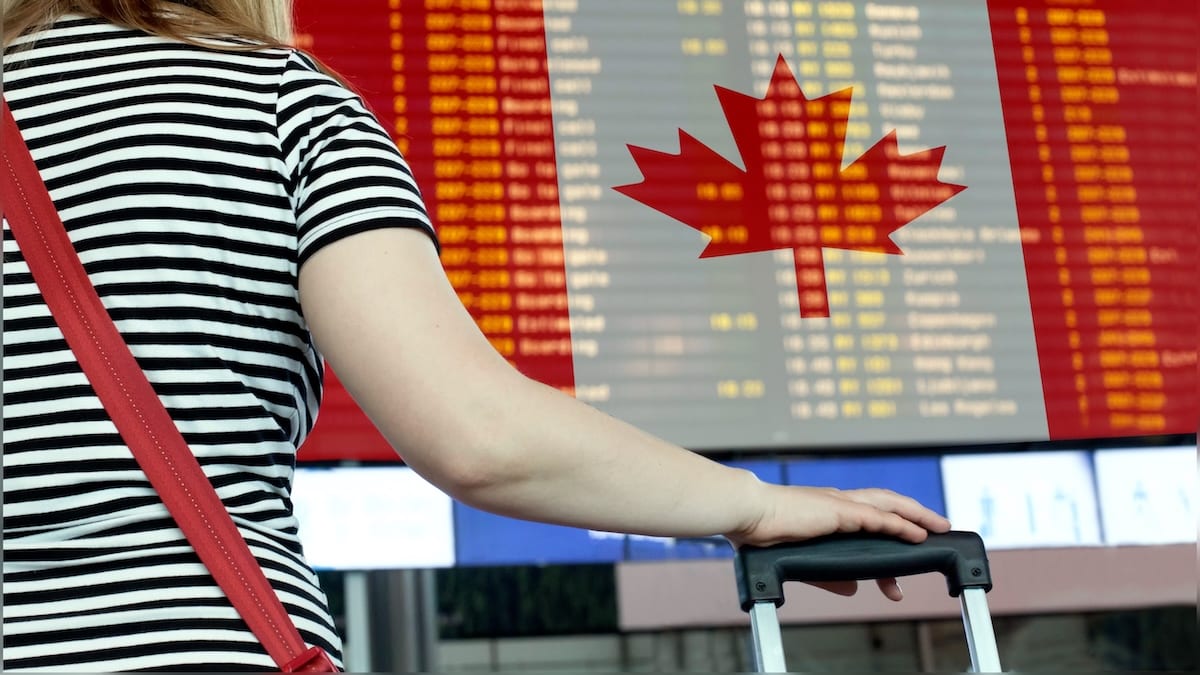
Lingering Easter Weather Keeps Pressure on North American Hubs
After a turbulent Easter weekend for aviation, early data from flight tracking services on March 30 indicated that hundreds of flights across North America were again running behind schedule, with delays concentrated at busy hubs in the Northeast, Midwest, and key Canadian cities. Publicly available information shows that severe storms which had swept across parts of the United States in the days leading up to Easter continued to disrupt traffic flows into Monday, complicating airline efforts to reset schedules.
Analysis of flight disruption patterns over the holiday period suggests that the problems did not end with Sunday’s departures. Travel industry reports indicate that residual congestion, aircraft out of position, and continued bands of rain and thunderstorms in parts of the United States limited the ability of airlines to start Easter Monday with a clean slate. The result for many passengers was extended waits at gates, congested departure boards, and missed connections on what is traditionally one of the busiest return-travel days of the spring.
In Canada, the picture was further complicated by unsettled late-season weather. National media coverage on April 5 had already highlighted widespread disruption at several Canadian airports as snow, freezing rain, and low visibility forced airlines to slow operations. Those same conditions, lingering into Monday for parts of the country, meant ground handling and deicing operations remained under strain, extending turnaround times and contributing to knock-on delays.
For travelers, the combined effect of weather-related interruptions on both sides of the border made cross-border journeys particularly vulnerable. Flights linking Canadian hubs such as Toronto and Montreal with major U.S. cities were among those seeing schedule pressure as carriers attempted to thread services through narrow windows of improved conditions.
Runway and Capacity Limits Add to Delays at Key US Airports
Beyond the weather, structural limits at certain airports amplified Easter Monday’s disruption in the United States. In California, San Francisco International Airport entered the week operating under newly tightened arrival constraints following a runway construction project and a change in federal spacing rules for parallel landings. Recent public briefings have detailed that the combination of a closed runway and stricter approach procedures has reduced the airport’s maximum arrival rate from 54 flights per hour to 36.
San Francisco’s curtailed capacity has already been flagged by local and national outlets as a source of growing delays this spring, and the timing of those changes, coinciding with peak Easter travel, heightened the risk of rolling schedule disruptions. With fewer arrival slots available, even moderate weather or minor operational issues can cascade into missed connections and longer ground holds for inbound aircraft.
Similar capacity pressure is evident at East Coast hubs where air traffic staffing levels have prompted federal regulators to keep in place schedule reduction and slot relief measures first introduced in earlier seasons. Publicly available FAA documentation describes continuing waivers and voluntary cutbacks at some of the busiest New York-area airports through the 2026 summer period, a backdrop that reduces overall buffer in the system when demand spikes during holidays.
On Easter Monday, these structural constraints meant that airlines had less flexibility to add recovery flights or quickly re-accommodate passengers from earlier cancellations and misconnects. For travelers flying through already saturated hubs, the cumulative effect showed up as creeping departure delays, longer taxi times, and, in some cases, overnight rebookings.
Canada’s Aviation Network Struggles to Clear Holiday Backlog
In Canada, the disruption story on Easter Monday was closely tied to a winter-like weather pattern that overstayed the season. Coverage in Canadian and international outlets on April 5 pointed to more than 400 delays and dozens of cancellations on Easter Sunday alone as snow and freezing rain affected major airports. That volume of affected flights created a backlog that could not be cleared immediately, meaning many aircraft and crews started Monday out of position.
Large carriers operating domestic and transborder routes were forced to juggle aircraft assignments, prioritizing core trunk routes while trimming or retiming some secondary services. Regional airports, particularly in areas hardest hit by adverse conditions, experienced longer gaps between flights as carriers concentrated limited resources on maintaining connectivity through primary hubs in Toronto, Montreal, Vancouver, and Calgary.
The knock-on effect for Easter Monday travelers included last-minute schedule changes, tighter connection windows, and, in some cases, route changes that pushed passengers through alternate hubs. Publicly available metrics on on-time performance for the first quarter of 2026 had already shown Canadian carriers working to stabilize reliability after a challenging winter, and the Easter weather episode added further strain just as spring break traffic peaked.
Travel forums and social media posts from passengers in Canada on March 30 reflected a mix of frustration and resignation, with many reporting multi-hour waits at gates and customer service desks. While most flights eventually departed, the cumulative fatigue on both passengers and frontline staff underscored how quickly a few days of disruptive weather can ripple through a tightly scheduled national network.
Passengers Confront Crowded Terminals and Limited Rebooking Options
Across both countries, Easter Monday passengers encountered familiar signs of a system under pressure: crowded security lines, long queues at airline service counters, and competing claims on limited seats for rebooked travelers. Industry data cited in recent travel analyses shows that North American carriers scheduled record or near-record capacity for the spring holiday period in 2026, seeking to capture strong leisure demand after several softer years.
That surge in scheduled seats left relatively little slack when delays and cancellations began to mount. On routes where planes were already close to full, travelers whose flights were canceled or significantly delayed often found that same-day alternatives were scarce. Many reports indicated that some passengers were offered rebookings one or two days later, particularly on cross-border and transcontinental services with few daily frequencies.
Families returning from vacations and students heading back to campuses felt the impact acutely, given the concentration of travel on a handful of peak days. With hotel rooms near major airports also in high demand, disrupted travelers in some cities reported difficulty securing overnight accommodation at reasonable rates. Travel insurance providers and credit card protections are expected to absorb a share of the financial fallout, although experiences will vary widely depending on policy terms.
At the same time, publicly available guidance from airports and carriers continued to emphasize digital tools as the fastest route to assistance. Airlines urged passengers through their websites and mobile apps to monitor flight status, confirm rebookings, and explore self-service options for meal and hotel vouchers where applicable, in an effort to reduce pressure on in-person customer service points.
What Easter Monday’s Disruptions Signal for the Summer Travel Season
The fresh wave of delays on Easter Monday is likely to rekindle debate over the resilience of North America’s air travel system heading into the peak summer season. Recent analyses from aviation consultancies and academic researchers have highlighted a post-pandemic environment in which weather volatility, infrastructure limits, and staffing constraints interact more sharply with high demand to produce large-scale disruption events.
Security, runway, and air traffic control bottlenecks that once absorbed occasional surges in volume are now more visible as active contributors to delay. New research on delay propagation within the U.S. aviation network has suggested that as traffic returns to and surpasses pre-pandemic levels, congestion effects intensify faster than many historical models predicted, particularly at major hubs that are already slot constrained.
For travelers, Easter Monday’s experience offers a preview of what could lie ahead if similar weather systems coincide with summer holiday peaks. Consumer advocates are likely to renew calls for clearer compensation rules, stronger communication standards, and more transparent data on on-time performance. Airlines, for their part, face the challenge of balancing aggressive growth strategies with the need to preserve enough operational slack to absorb shocks.
In the immediate term, travel experts are advising passengers planning trips over upcoming holiday weekends to build in additional buffer time, favor early-day departures where possible, and remain flexible about routings. As the Easter disruptions in Canada and the United States show, even a relatively brief spell of bad weather and capacity constraints can reshape travel plans across an entire continent within a matter of days.