

More news on this day
Hundreds of passengers were stranded over the peak Easter getaway as British Airways and Pegasus Airlines cancelled 25 flights and delayed 134 others, disrupting traffic through major hubs in the United Kingdom, Turkey, Austria and the United Arab Emirates.
Get the latest news straight to your inbox!
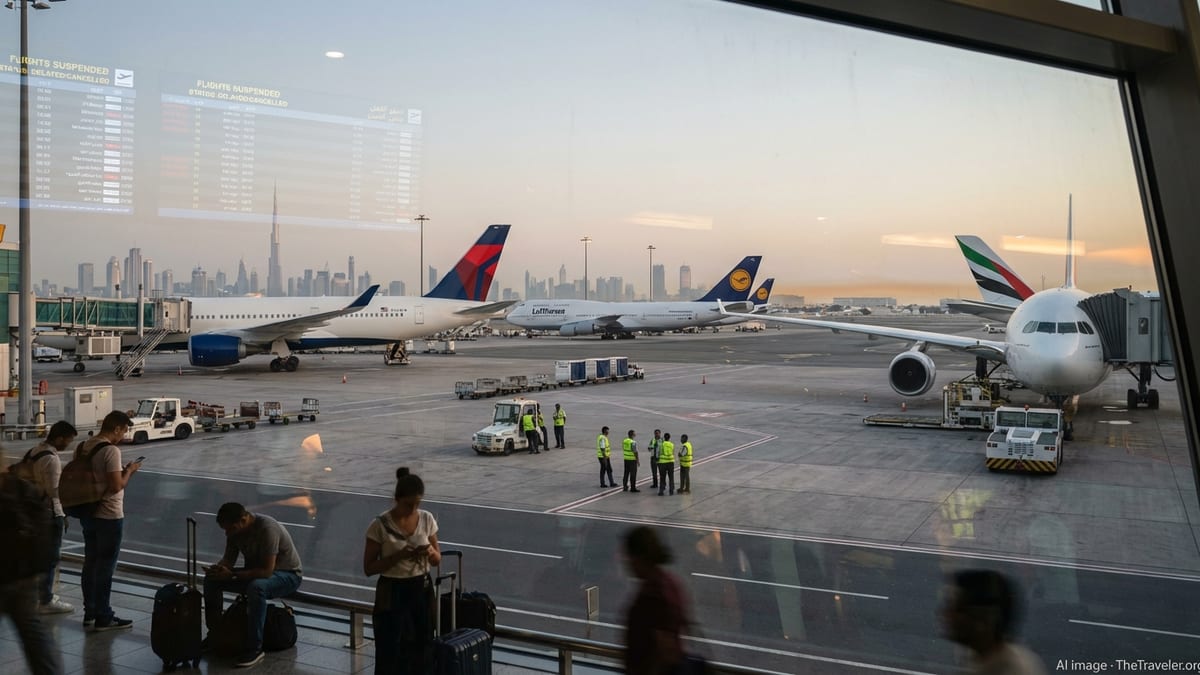
Sharp Disruptions Hit Peak Holiday Traffic
The latest wave of disruption unfolded on April 5, 2026, at the tail end of the Easter public holiday period, when flight-tracking data showed British Airways and Pegasus jointly cancelling 25 services and delaying 134 more across their European and Middle Eastern networks. Published coverage indicates that the problems were concentrated on trunk routes linking London, Istanbul, Vienna and Gulf gateways including Dubai.
Publicly available information points to British Airways cancelling and delaying a cluster of short and medium haul services from London area airports, including Heathrow, that were scheduled to feed long haul departures and key business destinations. For Pegasus, the disruption was centred on its Istanbul Sabiha Gökçen base, where tight turnaround schedules and already stretched infrastructure left little margin to absorb late-running inbound aircraft.
Operational data referenced in specialist travel reports show knock-on effects well beyond the four headline countries, as missed connections rippled into secondary European cities and regional Gulf airports. Passengers bound for destinations as varied as Manchester, Izmir, Salzburg and Sharjah reported missed meetings, abandoned holidays and enforced overnight stays as the schedule unravelled.
The Easter weekend timing amplified the impact. Airlines typically operate at or near full capacity during this period, leaving limited spare seats to accommodate those whose flights are cancelled or significantly delayed. Once the 25 cancellations were locked in and dozens of departures slipped by several hours, many stranded travellers found that same-day rebooking options were either sold out or prohibitively expensive.
Major Hubs in the UK, Turkey, Austria and UAE Bear the Brunt
Reports from aviation data providers highlight four primary pressure points: London Heathrow in the United Kingdom, Istanbul Sabiha Gökçen in Turkey, Vienna International Airport in Austria and Dubai International Airport in the United Arab Emirates. Together, these hubs form some of the busiest corridors for leisure and business traffic between Europe and the Gulf region.
In the UK, Heathrow serves as British Airways’ largest base and is heavily slot constrained, meaning there is little flexibility to retime flights once disruption sets in. Travel industry analysis notes that even modest delays can quickly cascade into missed curfews and forced cancellations when aircraft and crews are unable to turn around within narrow operational windows.
In Turkey, Pegasus’ low cost model depends on rapid aircraft utilisation at Sabiha Gökçen, a secondary Istanbul airport that has expanded quickly but continues to face infrastructure constraints. Recent trend data from European aviation observers has already flagged the airport as a frequent hotspot for delays, and the Easter surge exposed those vulnerabilities once again as multiple Pegasus rotations slipped behind schedule.
Vienna International Airport emerged as a key pinch point for transfers between British Airways and Pegasus networks. Coverage from regional travel outlets describes Vienna as a critical connecting gateway for passengers moving between the UK, Central Europe and the eastern Mediterranean. When several BA and Pegasus flights into and out of the Austrian capital were cancelled or heavily delayed, onward connections to smaller European cities quickly broke down.
Underlying Pressures: Airspace, Capacity and Scheduling Challenges
Analysts tracking European aviation performance in recent weeks have pointed to a mix of structural and short term factors behind the latest Easter weekend turmoil. Airspace restrictions linked to ongoing instability in parts of the Middle East have forced many carriers, including Pegasus and British Airways, to reroute long haul services, lengthening flight times and tightening aircraft rotations on already busy schedules.
Industry briefings also highlight persistent staffing constraints in ground handling, air traffic control and maintenance across several European hubs. When combined with peak holiday demand, even minor equipment issues or turnaround delays can trigger a chain reaction that leaves aircraft and crews out of position, especially at complex connecting airports such as Heathrow and Dubai.
British Airways has been adjusting its 2026 schedule in response to changing demand patterns and wider operational pressures, and travel analysis suggests that the carrier is operating with slimmer buffers on some short haul routes. Pegasus, meanwhile, has been expanding in both European and Middle Eastern markets, which can stretch resources during high season if additional aircraft or crew are not fully integrated into the network.
Recent disruptions across other European airlines show that this is not an isolated problem for any single carrier. Data compiled by independent travel platforms in March 2026 indicate repeated spikes in cancellations and delays at major hubs including London, Paris, Frankfurt and Istanbul, underscoring a broader fragility in the region’s aviation system during periods of intense demand.
Passengers Face Long Queues, Missed Connections and Uncertain Options
For travellers on the ground, the operational explanations offered in industry commentary translate into very tangible frustrations. Over the Easter weekend, social media posts and traveller accounts described crowded terminal halls, long customer service queues and difficulty securing clear information on revised departure times or alternative routings.
Families returning from school holidays, workers heading back to the office after the long weekend and tourists beginning multi stop itineraries through Europe and the Gulf all reported disrupted plans. Some passengers found themselves rebooked onto flights 24 hours or more after their original departure time, while others opted to purchase tickets on rival carriers or re-route via alternative hubs at their own expense in order to reach time sensitive events.
Travel consumer organisations note that the knock-on effects from cancelled and delayed flights often extend well beyond the airport itself. Missed hotel nights, lost prepaid excursions, additional childcare costs and penalties for no-show car rentals can turn a few hours of disruption into a much larger financial burden, particularly when journeys involve multiple non refundable components.
With seat availability scarce during the Easter peak, many travellers had limited scope to shop around for better options. Commentary from travel advisors suggests that passengers who had booked directly with the airline and monitored their flight status closely were sometimes able to secure earlier alternatives, while those who booked through intermediaries or learned of changes late faced more restricted choices.
What Travellers Can Do Under UK and EU Compensation Rules
The disruption has once again focused attention on passenger rights under UK and European legislation. Under UK rules that mirror EU Regulation 261/2004, travellers on eligible British Airways flights departing from the UK or EU, or arriving on an EU carrier, may be entitled to care and, in some cases, financial compensation if their flight is cancelled or arrives at its destination more than three hours late.
Similarly, passengers flying with Pegasus on itineraries departing from EU airports, or travelling within the EU, may be able to claim assistance such as meals, refreshments and hotel accommodation when long delays occur, along with monetary compensation when the disruption is within the airline’s control. Travel law specialists stress that entitlement often depends on specific factors including route length, length of delay and the underlying cause recorded for the disruption.
Consumer advocates generally advise passengers to keep boarding passes, booking confirmations and any written records of the reasons given for cancellations or long delays. This documentation can prove important when submitting claims through airline customer service channels or third party compensation services weeks or months after the event.
Travel experts also encourage holidaymakers and business travellers to build additional buffer time into itineraries during peak periods such as Easter, Christmas and major summer weekends. Allowing longer connection times, avoiding the final departure of the day where possible and checking real time flight status before leaving for the airport can reduce the risk of becoming stranded when schedules begin to unravel.