

More news on this day
Travelers heading into the Easter break are being warned to brace for disruption as a deepening global fuel crunch begins to bite, with flight cuts, soaring fares and growing uncertainty now affecting journeys across the United Kingdom, New Zealand, Scandinavia, Vietnam and other key routes.
Get the latest news straight to your inbox!
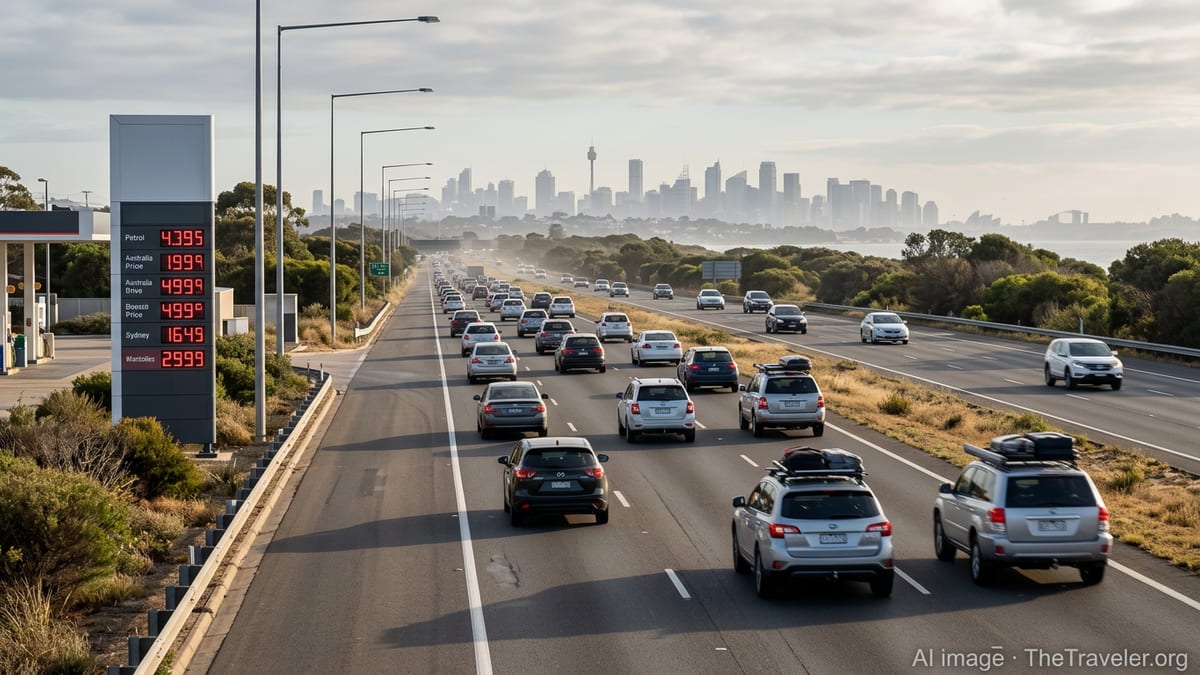
Fuel Shock Turns Into a Travel Problem
The current wave of travel disruption is rooted in a fuel shock that has gathered pace through March 2026. Global oil markets have been roiled by conflict in the Middle East and renewed instability around key shipping lanes, driving benchmark crude prices sharply higher and feeding through into refined products such as petrol, diesel and jet fuel.
Analysts tracking the crisis report that volatility around the Strait of Hormuz, through which a significant share of world oil supplies normally pass, has tightened supplies and pushed up costs for import-dependent economies. Energy briefings published in recent weeks describe the situation as the most severe disruption to fuel markets in decades, with governments activating contingency plans and industry groups warning of sustained pressure on transport networks.
For the travel sector, the impact is now visible in several ways. Airlines in multiple regions are trimming schedules to control fuel burn, while those maintaining capacity are passing higher costs on to passengers through surcharges and fare hikes. On the ground, motorists are confronting more expensive road trips, and public authorities are weighing how to protect essential services if supplies tighten further.
UK Easter Getaways Squeezed by Fuel Prices
In the United Kingdom, the Easter bank holiday was already expected to be one of the busiest travel periods since before the pandemic, with motoring groups projecting tens of millions of leisure trips on the roads. At the same time, rising fuel prices and concerns over the security of supply are casting a shadow over those plans, particularly for longer-distance journeys and regional air links.
Industry briefings note that the UK’s exposure to global energy markets has increased the sensitivity of domestic prices to international shocks. Fuel retailers have reported higher wholesale costs feeding through to petrol and diesel on forecourts, and aviation analysts have highlighted the risk of tighter jet fuel availability if shipments from the Gulf remain disrupted. While large-scale rationing has not been introduced, the combination of higher pump prices and wider cost-of-living pressures is already influencing travel decisions, with some travelers opting for shorter trips or public transport alternatives.
Easter flight schedules from major UK airports remain mostly intact, but carriers are monitoring fuel costs closely and have been adjusting pricing in recent weeks. Travel insurers and consumer advocates are advising passengers to check booking conditions carefully, particularly on lower-cost fares, where rebooking options may be limited if schedules are altered at short notice.
New Zealand and Scandinavia Balance Contingency and Continuity
New Zealand has moved early to prepare for potential fuel supply strain, introducing a formal fuel response framework and publicly outlining how different alert levels would be triggered. Government documents and academic analysis describe the country as being in an initial response phase, with fuel stocks still adequate but under closer monitoring. Authorities have emphasised that any move toward tighter controls would be signalled in advance, but transport planners are already debating how to keep people and goods moving if imports are delayed.
For travelers, the immediate effect in New Zealand is a combination of higher fuel prices and heightened uncertainty. Domestic airlines have so far maintained core routes, yet consumer-facing advice encourages visitors to factor possible refuelling delays or schedule tweaks into their plans, especially around the Easter period when roads and airports are typically busy. Discussions in the tourism industry point to a likely increase in demand for intercity buses and rail as some residents choose to leave their cars at home.
In Scandinavia, airlines are wrestling with similar pressures. Regional media coverage and passenger reports indicate that higher fuel prices have already led at least one major Nordic carrier to cut a number of services, with domestic routes in Norway and selected short-haul flights across the region most affected. Those adjustments, framed as short-term responses to the fuel crisis, are landing just as Easter getaway traffic builds, limiting options for passengers trying to rebook at peak times.
Nordic governments, which have invested heavily in rail and are expanding sustainable aviation fuel initiatives, are highlighting those policies as part of a longer-term answer to fuel volatility. In the short run, however, travelers face a patchwork of minor schedule cuts, fuller remaining flights and higher average fares on popular holiday routes.
Vietnam Becomes an Epicentre of Jet Fuel Turbulence
Vietnam’s aviation sector is emerging as one of the flashpoints of the current jet fuel crunch. Local business coverage and international travel media report that Vietnamese carriers are being squeezed between surging jet fuel prices in regional markets and limited scope to raise fares without denting demand on key leisure and labour routes.
In response, airlines operating from Vietnam, including the national flag carrier and several low-cost rivals, have announced capacity reductions on selected domestic and international services. Public information from aviation authorities points to plans to cut hundreds of flight pairs per month in the second quarter if jet fuel prices remain elevated, representing a substantial share of total scheduled output. Peak impact periods flagged by travel analysts overlap with the Easter holiday window for many inbound tourists, particularly on routes linking Vietnam with other parts of Asia and the Pacific.
Travelers are already feeling the effect. Reports from South Korean and Southeast Asian markets describe clusters of cancellations on routes linking coastal Vietnamese cities with major hubs, with some passengers offered refunds or alternative dates but finding limited remaining seat availability at comparable prices. Consumer guidance circulating in the region is urging travelers with Vietnam itineraries in late March and April to confirm their flight status repeatedly, allow wider buffers between connections and ensure that insurance policies explicitly cover fuel-linked disruptions.
What Easter Travelers Should Expect and How to Prepare
Across the affected regions, publicly available information suggests that the most widespread Easter impacts are likely to involve higher prices, reduced flexibility and an elevated risk of localised disruption rather than systematic shutdowns. In the UK, that could mean longer queues and higher fuel bills on key motorway corridors. In New Zealand and Scandinavia, capacity adjustments and contingency planning may translate into thinner schedules on some regional links. In Vietnam and parts of wider Asia, targeted flight cuts could leave certain routes temporarily underserved.
Travel specialists responding to the unfolding situation are recommending that Easter travelers build extra resilience into their plans. That includes booking flights with longer connection times, favouring itineraries with multiple daily frequencies, and keeping accommodation and activity reservations flexible where possible. It also means tracking airline notifications closely in the days before departure, as carriers adjust timetables in response to fuel price movements.
For those traveling by road, budgeting for higher fuel costs and considering alternative modes such as rail or coach on busy corridors can help reduce both expense and stress. In cities where public transport use is being encouraged as part of broader fuel-saving strategies, visitors may find that buses and trains are operating additional services to accommodate holiday demand.
While the trajectory of the fuel crisis remains uncertain, the pattern emerging ahead of Easter suggests that travelers who stay informed, build in flexibility and act early when rebookings are needed will be better placed to navigate a challenging period for global mobility.