

More news on this day
Thousands of Easter travelers were stranded across the United States after 339 flights were canceled and 3,577 delayed on April 3, paralyzing operations at major hubs including Chicago, Dallas, Atlanta and Orlando, according to nationwide flight-tracking tallies and published coverage.
Get the latest news straight to your inbox!
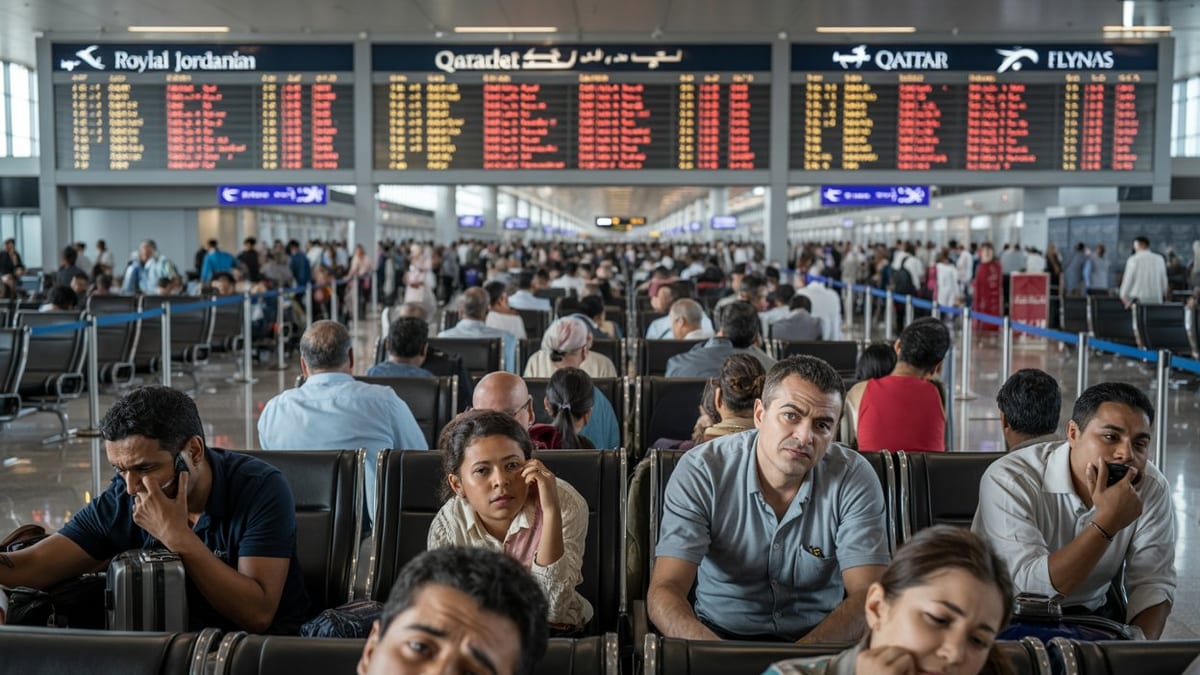
Nationwide Gridlock Hits Peak Ahead of Easter Sunday
Aggregated flight-status data for April 3 shows U.S. carriers scrapping 339 departures and arrivals while 3,577 more operated late, turning what was expected to be a busy but manageable Easter getaway period into a day of widespread disruption. The knock-on effects rippled into the Easter weekend, leaving travelers facing missed connections, overnight airport stays and last-minute itinerary changes.
Published reports indicate that the disruption spanned the country, touching major network carriers such as American, Delta and United alongside low cost and ultra low cost operators including Southwest, Spirit and Frontier. With many flights operating close to capacity for the holiday, even a modest percentage of cancellations and delays translated into thousands of passengers needing rebooking or emergency accommodation.
Operational data highlighted that this particular wave of disruption was concentrated in the 24 to 48 hours before Easter Sunday, a period when aircraft and crews are already tightly scheduled to handle peak demand. As disruptions mounted, recovery windows narrowed, making it more difficult for airlines to reposition planes and staff in time for subsequent departures.
By the evening of April 3, airport concourses from the Midwest to the Sun Belt were reporting crowded gate areas and long customer service queues, as travelers attempted to secure alternate routings or learn whether delayed flights would operate at all.
Chicago, Dallas, Atlanta and Orlando Emerge as Pressure Points
Flight-tracking dashboards and media tallies show that some of the sharpest impacts were concentrated at major U.S. hubs, with Chicago, Dallas, Atlanta and Orlando emerging as key pressure points during the Easter travel window. Chicago O’Hare, already identified in recent coverage as a focal point for spring 2026 delays, again recorded heavy disruption, contributing significantly to the national totals of cancellations and late operations.
Dallas Fort Worth International, one of the country’s busiest connecting hubs, experienced more than 100 disrupted departures and arrivals during the surrounding Easter period, according to publicly available counts. The timing of those issues meant that delays in North Texas cascaded across domestic and international networks, particularly on routes linking the Midwest, Northeast and Latin America.
Atlanta, home to the world’s busiest passenger airport, also reported elevated delay volumes, with thunderstorms and capacity constraints limiting the flexibility of airlines to recover their schedules. When a high-volume hub such as Atlanta slows down, even temporarily, flights across multiple regions can be forced into holding patterns, diversions or extended ground stops.
In Florida, Orlando International became another visible flashpoint. Air-travel reports noted heightened disruption at the central Florida gateway, where holidaymakers heading to theme parks and cruise departures encountered rolling delays and select cancellations, further amplifying the sense of chaos at a time of strong leisure demand.
Weather, Congested Hubs and Operational Strain Combine
Analysts point to a familiar but volatile mix behind the latest Easter travel meltdown: fast-changing spring weather patterns, high passenger volumes and operational systems that leave little margin for error. Storm cells sweeping across parts of the Midwest and Southeast curtailed airport capacity at several major hubs, reducing the number of arrivals and departures that could be safely accommodated each hour.
When those weather constraints collided with fully booked flights and tight crew rotations, delays quickly escalated. Publicly available commentary on the disruptions underscores that even flights not directly affected by storms often departed late because incoming aircraft and crews were held up elsewhere in the system.
Industry data from recent months shows that Chicago O’Hare and Dallas Fort Worth have repeatedly appeared near the top of national delay and cancellation rankings, particularly on peak travel days. That pattern continued into the Easter period, when their role as key connecting nodes meant that a disruption at one hub could be felt by travelers departing from airports hundreds or even thousands of miles away.
Operational constraints, including lingering staffing challenges in some airline and ground-handling functions, also played a role. While the scale of staffing shortfalls has moderated since the height of the pandemic recovery period, experts note that high-volume holiday weekends remain particularly sensitive to even minor resource imbalances.
Passengers Face Long Lines, Missed Connections and Limited Options
For travelers on the ground, the numbers translated into long, often uncertain hours at airport gates and ticket counters. Reports from affected airports described stretched customer service desks, with passengers queuing to be rebooked on later departures or entirely different routings after their original flights were canceled or significantly delayed.
Because Easter is a peak leisure period, many flights were already close to or at capacity, sharply limiting the availability of alternative seats. In some cases, published accounts indicate that travelers were offered rebookings one or even two days later, particularly on popular routes linking Chicago, Dallas, Atlanta and Orlando with coastal vacation destinations.
Airport facilities themselves came under strain as delays accumulated. Gate areas in some hubs remained crowded late into the evening, while food outlets and seating areas struggled to keep pace with the surge in passengers who had expected to be in the air rather than in the terminal. Families traveling with children, as well as international passengers with tight onward connections, faced particularly challenging circumstances.
Publicly accessible travel advisories and consumer advocates emphasized the importance of monitoring airline apps, seeking written confirmation of any rebooking or compensation arrangements, and considering alternative airports or ground transportation options when feasible, particularly during holiday peaks susceptible to cascading delays.
What the Easter Disruptions Signal for Spring and Summer Travel
The Easter gridlock underscores broader concerns about the resilience of the U.S. air travel system heading into the heavier spring and summer seasons. Recent analyses of delay trends point to a pattern in which severe disruption on one or two peak days can reverberate for several additional days, as airlines work to reposition aircraft and crews and clear backlogs of displaced passengers.
Travel industry observers note that this latest wave of cancellations and delays arrived against a backdrop of already elevated disruption levels in early 2026, driven by repeated bouts of severe weather and ongoing operational tightness at several major hubs. Easter weekend thus served as an early stress test for how airlines and airports may handle the even larger passenger volumes expected for Memorial Day, Independence Day and late summer vacations.
Consumer guidance emerging from the latest events emphasizes booking earlier departures where possible, allowing longer connection times through known congestion points such as Chicago, Dallas, Atlanta and Orlando, and being prepared for itinerary changes when severe weather is forecast anywhere along the route. Flexible travelers who can adjust travel dates by a day or two around peak weekends may find themselves better insulated from the worst of the disruption.
While airlines are expected to refine schedules and staffing plans ahead of the main summer rush, the Easter paralysis that left thousands stranded offers a clear reminder that the U.S. air travel network remains vulnerable to sudden shocks, particularly when storms, crowded hubs and tight operations converge at the same moment.