

More news on this day
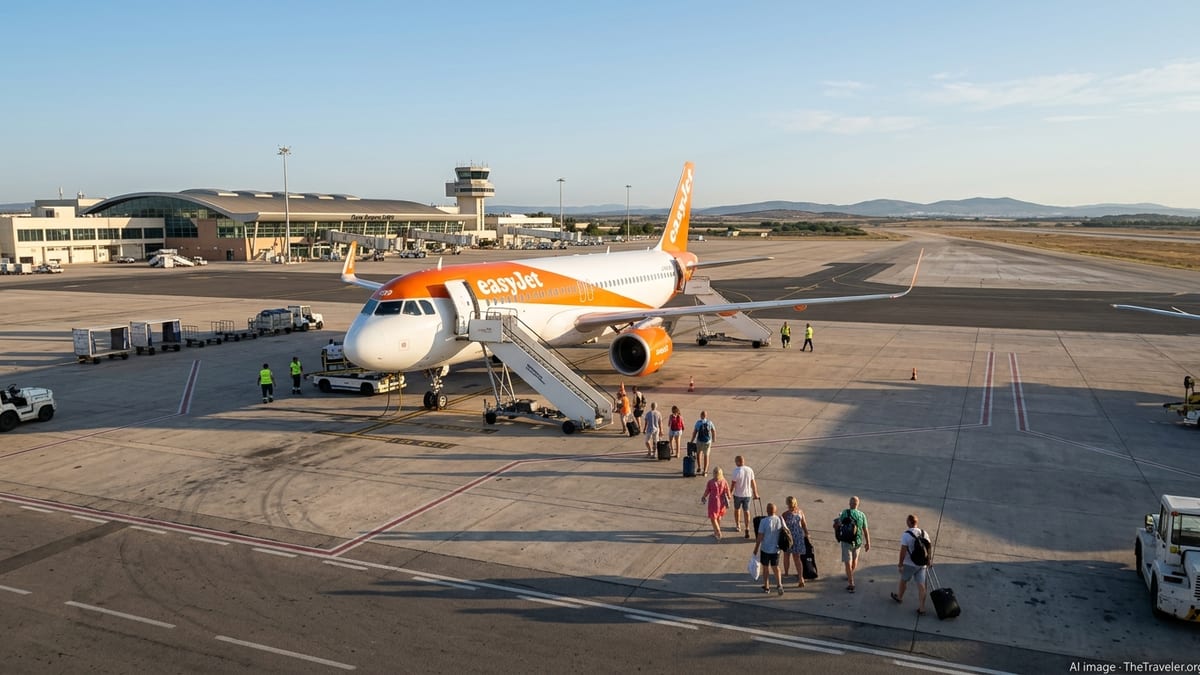
EasyJet is preparing its largest summer schedule yet between the United Kingdom and Portugal, adding seats and routes for the 2026 peak season as Portugal’s tourism boom shows no sign of slowing and British travellers remain one of the country’s most important source markets.
Get the latest news straight to your inbox!
Record Portugal Tourism Sets the Stage for More Flights
Portugal has entered another year of strong tourism growth, creating the backdrop for airlines to add capacity. Recent figures from national and international research bodies indicate that Portugal welcomed well over 30 million international visitors in 2025, following successive record-breaking years in 2023 and 2024. Travel and tourism have become a critical pillar of the Portuguese economy, with visitor spending contributing a significant share of export revenues and overall GDP.
British travellers continue to play an outsized role in that growth. Sectoral reports and tourism board data describe the United Kingdom as one of Portugal’s top inbound markets, both for overnight stays and total spending. The Algarve, Lisbon and Porto regions are particular favourites for UK holidaymakers, while secondary destinations such as Madeira and the Azores are also drawing interest from travellers seeking milder climates and nature-focused stays.
Industry analyses suggest that the trend is far from peaking. Forecasts for 2026 highlight ongoing demand for Mediterranean and Atlantic sun destinations, supported by relatively competitive prices compared with some rival markets and a perception of safety and quality infrastructure in Portugal. This resilient demand is creating strong incentives for low-cost carriers to further reinforce their networks on UK–Portugal corridors.
Airlines are responding by consolidating capacity on key leisure routes and seeking opportunities to connect new UK regions to Portuguese airports beyond Lisbon and Faro. EasyJet, already a major player in both countries, is positioning itself to capture a larger share of this traffic.
EasyJet’s Expanded Summer 2026 Network Between the UK and Portugal
EasyJet has outlined plans for its largest ever UK schedule in summer 2026, with more than 50 million seats to and from British airports across its network. Within that expansion, the airline is increasing connectivity to Portugal, strengthening links to popular coastal and city destinations. Aviation industry coverage notes that the carrier is broadening services not only to Lisbon and Faro but also to other Portuguese airports as part of its wider Southern Europe strategy.
New and reinforced links are emerging from a range of UK regional airports, providing alternatives to the busiest London hubs. Airport flight guides and airline announcements for the 2025 to 2026 season point to fresh or upgraded services such as additional frequencies to Faro and new summer routes from airports like Newcastle, complementing existing connections from bases including London Gatwick, Bristol, Manchester and others. These moves aim to spread demand across the network while offering travellers more convenient departure points.
Capacity is being deployed primarily on peak summer days, when demand from package holidaymakers and independent travellers is strongest. Schedules typically concentrate departures in the early morning from the UK, allowing travellers to maximise time on the ground in Portugal, with evening returns that appeal to short-break visitors seeking long weekend stays.
For easyJet, reinforcing UK–Portugal links is both a defensive and growth play. By cementing its presence on some of Europe’s busiest leisure corridors, the carrier is positioning itself against rival low-cost operators and tour-focused airlines that are also targeting the Portuguese market.
What Travellers Can Expect: Fares, Flexibility and Crowd Levels
For passengers, the additional capacity generally translates into more choice and, at least initially, competitive pricing. Historical booking patterns suggest that when airlines add seats on popular leisure routes, early bookers often benefit from lower introductory fares, especially outside the very busiest school holiday weeks. As departure dates approach and load factors increase, fares typically rise, particularly on weekend flights and departures that align with package holiday changeover days.
Reports from consumer advocacy groups and traveller forums indicate that schedule changes are not uncommon on busy short-haul networks, including those operated by low-cost carriers. While regulations in the United Kingdom and European Union provide some protections for cancellations and significant delays, airlines generally retain scope to adjust departure times within certain limits. Travellers are therefore encouraged, by publicly available guidance, to monitor their bookings regularly and consider flexible accommodation or transfer arrangements, especially during the most congested travel weeks.
On the ground in Portugal, visitors should be prepared for crowded terminals at major gateways such as Lisbon, Porto and Faro in July and August. Local tourism studies and media coverage describe continued pressure on airport capacity and border-control checkpoints during the busiest days. Efforts are under way to streamline passenger flows, including investments in infrastructure and processing technology, but peak-hour queues remain likely for summer 2026.
Beyond the airports, popular resort areas in the Algarve and city-centre neighbourhoods in Lisbon and Porto are expected to experience high occupancy and strong demand for restaurants, car hire and excursions. While this vibrancy benefits local economies, it also means travellers who value quieter experiences may want to look at shoulder-season travel or less saturated coastal and inland regions.
Route Hotspots: Algarve Beaches, Lisbon City Breaks and Northern Portugal
The Algarve remains the backbone of UK–Portugal leisure traffic, and easyJet’s expanded summer flying reflects that reality. Faro Airport serves as the main entry point for British visitors headed to beach resorts in Albufeira, Lagos, Vilamoura and surrounding areas. Industry data show that this region consistently accounts for a substantial share of Portugal’s hotel nights by foreign guests, with UK travellers among the most prominent segments.
Lisbon continues to grow as both a stand-alone city-break destination and a gateway to wider touring itineraries. The Portuguese capital’s popularity is evident in steadily rising visitor numbers reported by tourism and statistics agencies. For UK travellers, a dense schedule of low-cost flights has made short breaks increasingly viable, and easyJet’s reinforced summer offerings are likely to keep competition strong on these routes.
Northern Portugal, anchored by Porto, is also benefiting from increased air connectivity. Porto’s wine cellars, riverfront setting and proximity to the Douro Valley have fuelled steady tourism growth, and airline schedules reflect rising demand. Sector updates highlight that UK travellers are discovering the region in greater numbers, with low-cost carriers supporting that shift through seasonal and year-round services.
Smaller markets, including Madeira and the Azores, continue to attract niche segments such as walkers, nature enthusiasts and off-season sun seekers. While these destinations account for a smaller portion of easyJet’s total capacity, they form part of a broader strategy to offer diversified leisure options to the UK market.
Practical Tips for Booking UK–Portugal Flights in Peak Season
Travellers planning to take advantage of easyJet’s bolstered summer schedule between the UK and Portugal may benefit from early, strategic booking. Historical sales patterns and pricing analysis by travel-data firms suggest that purchasing flights several months in advance, particularly for school holiday dates, can secure better availability and more favourable fares. Midweek departures and returns are often less expensive than Friday or weekend flights on the same routes.
Given the potential for operational pressures in peak months, many travel experts recommend allowing generous connection times when combining low-cost flights with separate tickets or ground transfers. Arriving at the airport early, using mobile boarding passes and checking terminal information in advance can help mitigate stress during busy periods.
Accommodation should not be an afterthought. Tourism forecasts for 2026 point to continued high occupancy across Portugal’s main coastal and urban hotspots, with rising interest in boutique hotels, serviced apartments and rural stays. British travellers seeking specific amenities or locations may wish to reserve rooms soon after locking in flights, especially in smaller towns where inventory is limited.
Finally, travellers should remain attentive to airline communications. Adjustments to timetables, aircraft types or frequencies can occur as carriers fine-tune capacity in response to booking trends. Keeping contact details up to date in airline accounts and regularly checking itineraries can help ensure that any changes to easyJet’s UK–Portugal services are spotted in good time, allowing travellers to adapt plans while options remain broad.