

More news on this day
An easyJet flight that departed Glasgow was forced to divert for an emergency landing after turbulence reportedly injured a flight attendant in the cabin, leading the crew to cut the journey short as a precaution.
Get the latest news straight to your inbox!
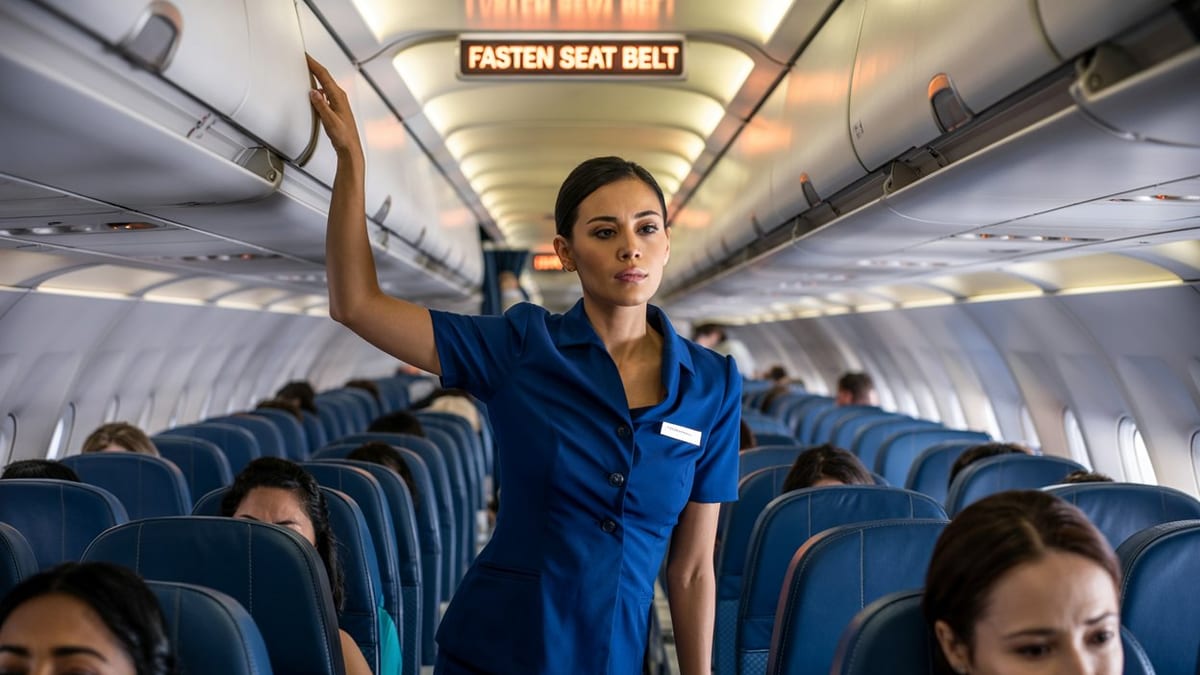
Image by Travel And Tour World
Incident on Glasgow Departure Triggers Diversion
Reports from flight-tracking and aviation incident coverage indicate that the easyJet service had departed Glasgow on a routine short-haul route when it encountered a period of turbulence en route. During the disturbance, a member of the cabin crew was reportedly hurt, prompting the operating crew to treat the situation as a medical priority and seek an immediate diversion rather than continue to the planned destination.
Publicly available flight data shows the aircraft leaving Glasgow as scheduled before altering course and descending toward an alternate airport, where it carried out an expedited landing. The diversion took place after the aircraft had reached its cruising portion of the journey, suggesting that the turbulence arose away from the immediate vicinity of Glasgow rather than during takeoff or initial climb.
Early accounts from passengers shared with news outlets describe a short but sharp spell of rough air that caused a sudden jolt in the cabin. While the aircraft itself remained structurally unaffected, the resulting movement appears to have been sufficient to injure the flight attendant who was believed to be standing or moving through the aisle when the turbulence hit.
Emergency services were reported to be on standby when the aircraft touched down, reflecting standard practice when a crew member or passenger has potentially sustained an injury requiring further assessment.
Cabin Crew Injury Highlights Turbulence Risks
According to aviation safety analyses, injuries associated with turbulence most often affect cabin crew, who spend considerable time standing, walking the aisle, or operating trolleys when the aircraft encounters unstable air. In this latest easyJet incident, preliminary information suggests the affected flight attendant may have been in the process of service duties when the turbulence occurred, leaving little time to reach a jump seat and fasten a harness.
Safety reviews routinely cite turbulence as one of the leading causes of in-flight injuries in otherwise uneventful flights. Even brief episodes of moderate to severe bumps can throw unrestrained individuals off balance, resulting in sprains, bruises, or more serious trauma if they collide with interior fixtures. This risk is particularly acute for crew members working in the aisle or galley, who cannot remain seated for long stretches given their operational responsibilities.
Reports on this easyJet diversion indicate that the injured attendant was able to receive initial care on board before the decision was made to head for the nearest suitable airport. The choice to divert in such circumstances is typically framed as a precautionary measure, ensuring that those hurt in the cabin can be evaluated by medical professionals as soon as possible rather than waiting until the original destination is reached.
While details of the attendant’s condition have not been formally disclosed, there have been no indications from published coverage of life-threatening injuries, and the aircraft was able to taxi to a stand under its own power after landing.
Passenger Experience and Operational Disruption
Passengers on board the diverted flight experienced a longer journey than scheduled, with the unscheduled landing followed by time spent on the ground while the situation was assessed. Accounts shared in public forums describe a calm but clearly unplanned sequence, with the captain alerting those on board to the turbulence encounter and subsequent medical concern involving the flight attendant.
Following the diversion, passengers typically face either a transfer to a replacement aircraft or onward ground transportation, depending on where the aircraft lands, crew duty limits, and available resources at the diversion airport. In this case, reports suggest that onward travel arrangements were organized after the injured crew member was handed over for medical evaluation, leading to delays but ultimately allowing passengers to complete their journeys.
Operationally, such diversions can disrupt schedules across an airline’s network, particularly for carriers like easyJet that operate tight turnarounds and high daily utilization of each aircraft. A single aircraft being out of position after an emergency landing can result in knock-on delays and potential cancellations affecting other routes linked to the same airframe or crew rotation.
Despite the inconvenience, passenger commentary has generally acknowledged that the decision to land early aligned with standard safety priorities, which place medical care and crew welfare ahead of schedule adherence.
Airline Response and Emphasis on Safety Procedures
Publicly available statements from easyJet and earlier coverage of turbulence-related incidents involving airlines across Europe show a consistent emphasis on safety as the primary consideration in the decision to divert. In scenarios where a crew member is injured, carriers generally affirm that reducing the time to professional medical attention is a key factor in route adjustments and emergency landings.
In line with industry norms, easyJet procedures instruct cabin crew to secure themselves whenever the seatbelt sign is illuminated and when turbulence is anticipated. However, unforecast or rapidly developing turbulence can still catch crews in the middle of service or safety tasks, underscoring the importance of rapid communication between flight deck and cabin when conditions begin to deteriorate.
Analysts note that this most recent diversion from the Glasgow-originating flight fits within a broader pattern of airlines treating turbulence-linked injuries with heightened caution, particularly in the wake of several high-profile global cases where sudden rough air has caused harm to passengers and crew. The swift decision to land reflects that trend, with operational disruption judged preferable to remaining airborne while managing an injured staff member.
As investigations into the precise sequence of events progress, the incident is expected to contribute data to ongoing safety work focused on improving turbulence forecasting, crew training, and passenger awareness campaigns that stress the importance of keeping seatbelts fastened whenever seated.
Growing Focus on Turbulence Management in European Skies
The easyJet diversion from Glasgow comes amid growing attention on turbulence management across European and global aviation. Recent scientific and industry reports have highlighted indications that certain types of clear-air turbulence may be occurring more frequently along busy jet routes, prompting airlines and regulators to invest in improved detection tools and updated procedures.
For carriers operating dense short-haul networks, including routes from Scottish airports such as Glasgow, this has translated into more frequent advisories for passengers to remain belted even when conditions appear calm. At the same time, crew training has increasingly emphasized rapid securing of the cabin at the first sign of instability, as well as clear communication with travelers about the reasons for suspending service or altering flight paths.
Specialist publications note that while turbulence events can be alarming, modern commercial aircraft are built to withstand loads significantly higher than those typically encountered in disturbed air. The primary safety challenge often lies not with the aircraft itself, but with the risk to unbelted individuals and mobile crew members when the cabin moves unexpectedly.
In that context, the injury to the easyJet flight attendant and the resulting emergency landing serve as a reminder of why airlines continually stress the importance of seatbelts and compliance with crew instructions, and why diversions remain a routine, if disruptive, part of risk management in contemporary air travel.