

More news on this day
Passengers on an easyJet flight from Glasgow to Saint Helier in Jersey experienced a mid-air scare when their Airbus A319 performed a sudden U-turn and made an emergency landing back at Glasgow International Airport after a reported crew welfare issue.
Get the latest news straight to your inbox!
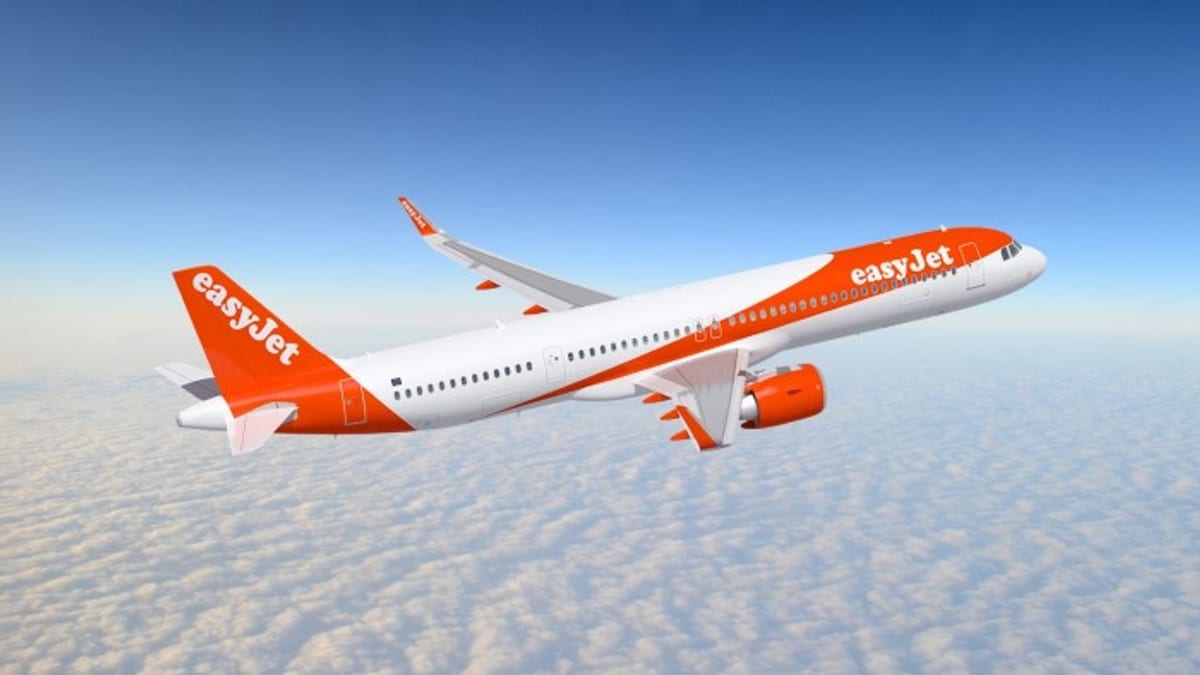
Image by Travel And Tour World
Flight U2439 Returns to Glasgow Shortly After Departure
According to publicly available flight-tracking data, easyJet service U2439 from Glasgow to Saint Helier departed as scheduled before abruptly reversing course over the United Kingdom. The aircraft, an Airbus A319 operating the busy leisure route to Jersey, climbed out of Glasgow as normal before initiating a tight turn and heading back to its departure airport.
Reports indicate that the turnaround occurred relatively early in the flight, minimizing the time the aircraft spent in the air after the decision was made. The jet subsequently entered a holding pattern near Glasgow to allow crew to run checklists and to sequence safely into the airport’s arrival flow.
The aircraft then carried out what has been described in published coverage as an emergency or precautionary landing. Fire and rescue vehicles were reported to be on standby at the airfield, which is standard procedure whenever a crew declares a concern during flight, whether technical, medical, or related to personnel.
No structural or mechanical problems with the Airbus A319 have been publicly linked to the incident so far, and early indications suggest the aircraft taxied to the stand under its own power after landing.
Crew Welfare Issue Triggers Mid-Air Scare
Initial information circulating in UK aviation and travel reports points to a crew welfare issue as the reason behind the abrupt return to Glasgow. This term is often used by airlines to describe situations ranging from sudden illness to stress-related concerns affecting those working on board.
In such circumstances, industry practice gives flight and cabin crew broad discretion to seek a rapid return to the nearest suitable airport, prioritising safety and ensuring that staff can be assessed on the ground. Available accounts suggest that this protocol was followed on U2439, leading to the decision to abandon the southbound leg to Jersey.
Passengers reportedly experienced an atmosphere of uncertainty, with some describing a tense period as the aircraft turned and began its descent. While serious inflight events are rare, any unscheduled diversion or emergency landing can be unsettling, particularly when the reason is initially described only in general terms.
At this stage, no injuries to travellers have been widely reported in connection with the diversion, and information in the public domain suggests the concern centered on the wellbeing of a member of the working crew rather than a technical failure.
Standard Safety Protocols and Passenger Experience
Aviation safety specialists note that a swift decision to return to base can reflect the conservative safety culture underpinning modern commercial flying. When questions arise about a crew member’s ability to carry out duties, especially during a relatively short sector, turning back to a major, well-equipped airport such as Glasgow is generally viewed as the safest course of action.
Publicly available aviation guidance underscores that air carriers must ensure minimum crew levels and that all safety-critical staff are fit to operate. If this threshold is put into doubt, continuing to destination may not be permissible under regulations, leaving a return or diversion as the only viable option.
For travellers on board U2439, the sudden change of plan likely meant disrupted holiday or business plans in Jersey. Experiences shared in online travel communities after similar events often describe a combination of relief at landing safely and frustration over missed connections, lost hotel nights, or rearranged itineraries.
In this case, early accounts suggest the landing was controlled and routine from an operational perspective, even as passengers processed the worry that typically accompanies an emergency declaration or visible presence of emergency vehicles along the runway.
Impact on the Glasgow–Jersey Route and EasyJet Operations
The Glasgow to Saint Helier route is an important seasonal and leisure link, connecting Scotland with the Channel Islands. EasyJet has grown its presence in both Scottish airports and Jersey in recent years, providing low-cost options for island breaks and visiting friends and relatives.
A disruption on a specific rotation such as U2439 can have knock-on effects across an airline’s schedule, particularly when an aircraft and crew are rostered for multiple sectors in a day. Operational data and recent reports on other easyJet incidents suggest that when a flight returns to base unexpectedly, subsequent legs may face delays or cancellations while aircraft and personnel are repositioned.
Travel industry commentary indicates that airlines commonly respond by rebooking affected passengers on later services, arranging alternative routings, or, when necessary, providing hotel accommodation. For travellers bound for Jersey, options can include later direct services or connections via other UK airports with links to the island.
While this latest event has drawn attention due to the dramatic mid-air U-turn, published information portrays it as an isolated operational issue rather than a systemic problem with easyJet’s Glasgow operation or with the Airbus A319 type.
What Passengers Should Know After an Inflight Diversion
Consumer advocates frequently remind passengers that, after an emergency return or diversion within Europe, entitlements depend on the underlying cause of the disruption. Under European and UK regulations, compensation is more likely when the issue is considered within the carrier’s control and less likely when it is categorised as an extraordinary circumstance, such as certain medical events.
In the immediate aftermath, however, the priority is usually basic care and clear communication. Travelers are generally advised, based on guidance from government and consumer bodies, to keep boarding passes, booking confirmations, and any receipts for additional expenses if a trip is significantly delayed or curtailed.
For those nervous about flying, incidents involving crew welfare can be particularly disconcerting, since crew are typically seen as calm, reassuring figures in the cabin. Aviation safety data, though, continues to show that serious accidents remain extremely rare, and that precautions like the one taken on the Glasgow to Saint Helier flight are designed precisely to keep it that way.
The episode involving flight U2439 is likely to add to ongoing conversations about staffing levels, crew wellbeing, and the pressures of operating busy short-haul networks. For passengers, it serves as a reminder that while diversions are unsettling, modern airline procedures are built to err firmly on the side of caution when anyone’s welfare on board is in question.