

More news on this day
easyJet has launched a new direct route between Birmingham and Rome Fiumicino, adding four weekly flights that boost connectivity between the UK Midlands and the Italian capital ahead of the busy 2026 summer season.
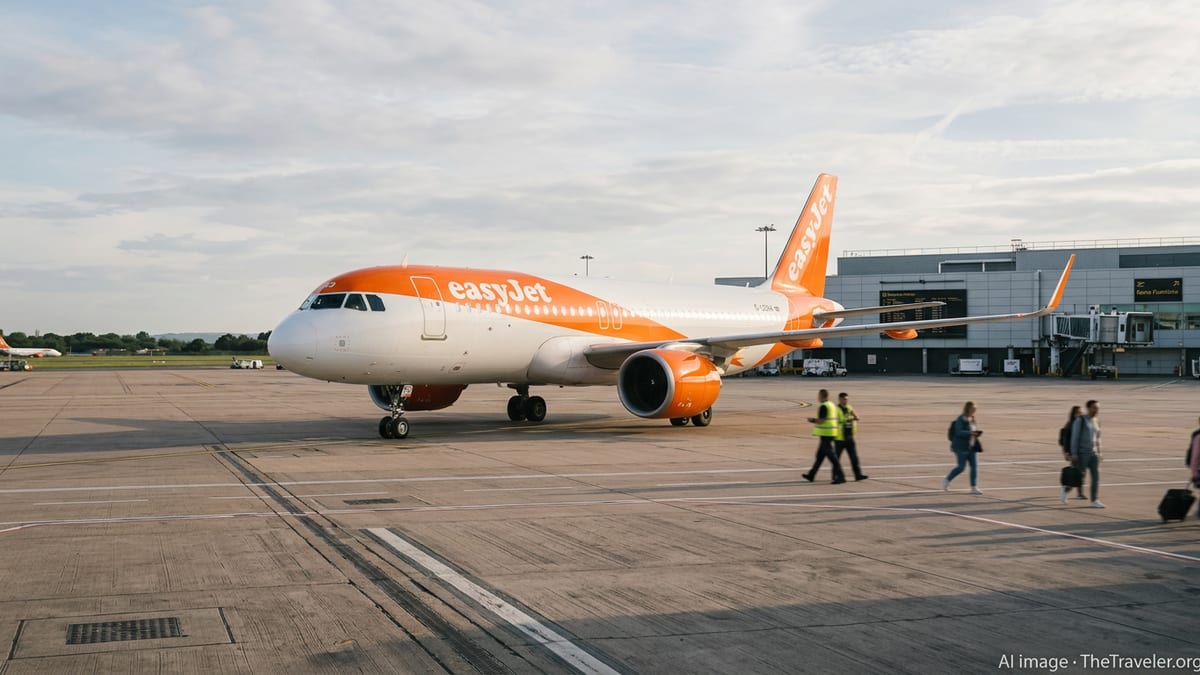
New Link Between the Midlands and the Eternal City
The new Birmingham to Rome service operates to Rome Fiumicino, one of Europe’s busiest hubs and Italy’s main international gateway. The route is scheduled four times a week, with flights departing on Mondays, Thursdays, Fridays and Sundays, offering both weekend and midweek options for leisure and business passengers.
The inaugural flights operated in early March 2026, timed to capture demand in the run-up to Easter and the main summer holiday period. Flight times average around two hours and fifteen minutes, giving travelers in central England a non-stop alternative to connecting via London or other European hubs.
Fares on the new route start from under £25 one way according to recent sales, positioning the service firmly in the low-cost segment. Seats are available through easyJet’s usual booking channels, including standalone flights and dynamically packaged holidays combining accommodation and transfers.
The move strengthens Birmingham Airport’s role as a regional gateway for international city breaks, giving local residents and nearby catchment areas a direct link to one of Europe’s most visited destinations.
Part of a Wider European Network Expansion
The Birmingham to Rome launch is one element of a broader reshaping of easyJet’s European network for 2026. The airline has announced several new city and leisure routes while withdrawing lower-performing services, reallocating capacity toward high-demand short-haul destinations.
As part of this strategy, easyJet is adding Rome to its Birmingham portfolio alongside existing routes to major European cities and popular beach destinations. Industry updates show that the Birmingham to Rome link is among a small group of new services introduced as the carrier pivots toward Mediterranean city breaks and sun markets that remain resilient in terms of demand.
Network specialists note that the airline has also committed additional Airbus A320 family aircraft to its UK bases, including Birmingham, to support this growth. The extra capacity allows more frequent flights on core routes and the introduction of new connections such as Rome Fiumicino, which align with strong customer interest in short cultural escapes.
For Rome’s Fiumicino Airport, the new service further consolidates its position as a key low-cost and full-service hub. easyJet now links the Italian capital with a growing number of UK cities, adding Birmingham to an existing roster that already includes London and other major regional airports.
Benefits for Leisure Travelers and City-Break Market
The route is expected to appeal strongly to leisure travelers, particularly those seeking long weekend breaks and flexible short stays. With four weekly frequencies, Midlands-based passengers can depart on a Thursday or Friday and return on Sunday or Monday, a pattern that matches typical European city-break travel habits.
Rome continues to rank among Europe’s most in-demand destinations, drawing visitors year-round to sites such as the Colosseum, the Roman Forum and the Vatican, as well as its food, fashion and neighborhood culture. Direct flights from Birmingham simplify trip planning for families, couples and solo travelers who previously faced longer journeys involving rail connections or transfers through other airports.
Travel trade analysts expect the new service to stimulate demand in both directions. Italian visitors gain easier access to the West Midlands and surrounding regions, including historic cities, countryside attractions and major events hosted in Birmingham and nearby areas. This two-way flow supports tourism economies at both ends of the route.
Tour operators and online agencies are already incorporating the Birmingham to Rome connection into package offerings, particularly for short breaks and tailor-made itineraries that pair time in Rome with side trips into the Lazio region or further afield in Italy.
Boost for Birmingham Airport and Regional Connectivity
Birmingham Airport has been steadily expanding its portfolio of European routes as airlines respond to strong regional demand. easyJet established its base at the airport in recent seasons and has since added aircraft and capacity, with management citing solid performance on both leisure and business-oriented services.
The addition of Rome enhances the airport’s mix of destinations, sitting alongside existing direct links to European cultural centers and beach resorts. Airport executives have consistently argued that improved point-to-point connectivity from Birmingham reduces reliance on London airports, making international travel more accessible for millions of residents across the Midlands.
A four-times-weekly schedule to Rome also gives the airport another high-profile continental capital on its departure boards, adding to its appeal for inbound tourism as well as local travelers. The service is expected to generate additional footfall for airport retailers and service providers, from car parks and lounges to food and beverage outlets.
Regional business groups have welcomed the route, highlighting Rome’s role not only as a leisure destination but also as a political and commercial center. Faster, direct access can support trade missions, academic links and cultural exchanges between institutions in the West Midlands and Italy.
Competitive Landscape on the Birmingham–Rome Corridor
The introduction of easyJet’s Birmingham to Rome flights comes amid growing competition on links between the UK and Italy. Other low-cost and leisure carriers have previously operated or announced services between Birmingham and Rome Fiumicino, indicating that the corridor is seen as commercially attractive.
Industry observers suggest that easyJet’s scale, brand recognition and established presence at both Birmingham and Rome Fiumicino give it a strong platform. By offering year-round services and integrating the route into its wider European network, the carrier can appeal to both price-sensitive holidaymakers and frequent travelers seeking flexible schedules.
For passengers, increased competition generally translates into sharper pricing and more choice of departure times. With multiple airlines active on UK to Rome routes, Midlands travelers are likely to benefit from promotional fares and a wider array of travel options, especially during off-peak periods.
As airlines continue to refine their 2026 schedules, the Birmingham to Rome route looks set to become a regular fixture, reflecting sustained appetite for affordable European city travel and the strategic importance of strong regional gateways beyond London.