

More news on this day
Spain’s Andalusian jewel Seville is set to become more accessible for UK travellers, with a new easyJet route planned to link Liverpool John Lennon Airport to the historic southern city, strengthening low-cost connections between northwest England and one of Europe’s standout cultural destinations.
Get the latest news straight to your inbox!
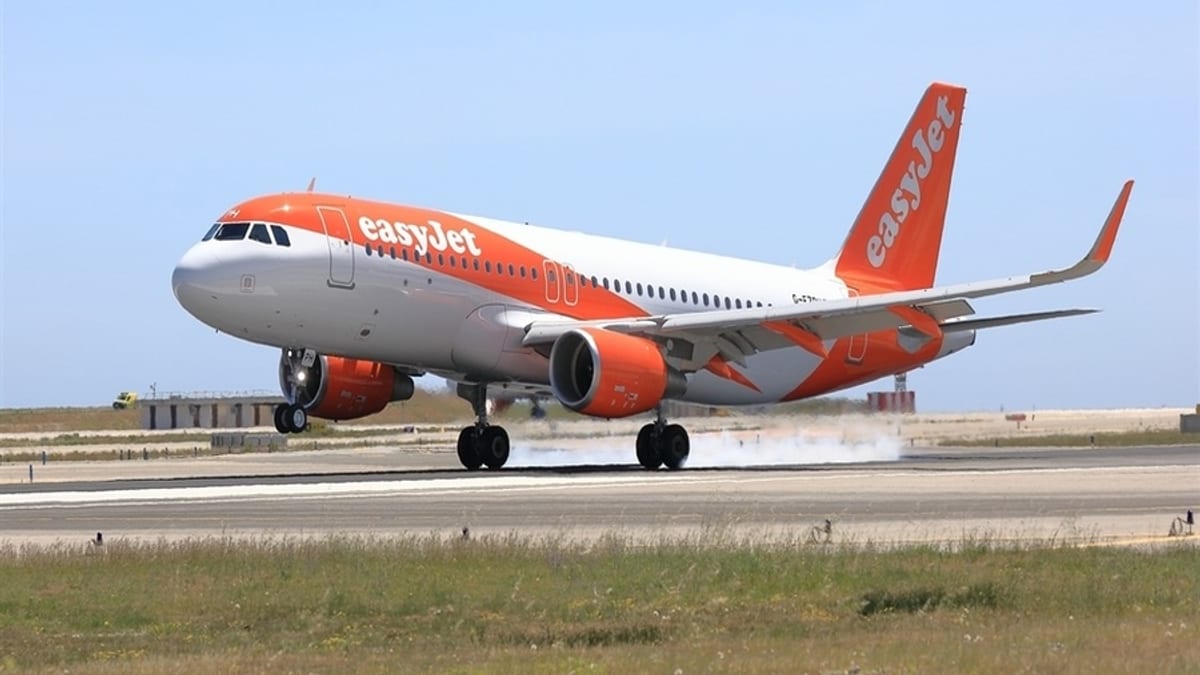
Image by Latest International / Global Travel News, Breaking World Travel News
New link from northwest England to Andalusia
Publicly available information from aviation industry coverage and airport schedules indicates that easyJet is preparing to add Seville to its expanding Spanish network, with Liverpool among the UK bases expected to benefit from new capacity into the region. The move follows the airline’s wider 2026 growth strategy, which introduces additional routes from Liverpool and other British airports to sun destinations across southern Europe.
Liverpool John Lennon Airport has been steadily reinforced as an easyJet base, including the recent addition of an eighth aircraft to support more leisure-focused routes. Reports indicate that these aircraft are being deployed on a mix of Mediterranean and city-break destinations, reflecting strong demand from travellers in Merseyside, Cheshire and North Wales for short-haul getaways.
While the precise start date and weekly frequency of the Liverpool to Seville service are subject to scheduling updates, the pattern of recent announcements suggests a focus on seasonal, several-times-weekly flights timed for weekend and short-break travel. That structure typically allows travellers to leave the UK after work and arrive in Spain in time for late-evening tapas in Seville’s historic centre.
The addition of Seville complements easyJet’s broader push into Spain, including new services from other UK airports to Andalusian and Mediterranean gateways. This positions Seville as part of a network of warm-weather options that can be combined with flexible fares and holiday packages aimed at price-conscious city-break travellers.
Affordable fares reshape Seville’s city-break appeal
Low-cost links have historically transformed the fortunes of European secondary cities, and analysts expect Seville to follow this trajectory as additional capacity comes online from the UK. With easyJet competing directly with other budget and legacy carriers on routes into southern Spain, average fares on Liverpool to Seville are likely to remain competitive compared with flights into more established hubs such as Málaga or Barcelona.
Travel industry reporting suggests that easyJet’s pricing on comparable Spanish city routes typically starts in the lower double digits each way outside peak dates, with full-trip costs rising according to add-ons such as checked baggage and flexible tickets. For travellers in northwest England, a direct Seville service from Liverpool removes the need for connections through London or Manchester, cutting both journey time and ancillary expenses such as rail transfers.
Package holiday options sold via airlines and tour operators are also expected to support affordability, bundling flights with centrally located hotels or apartments. For visitors on a budget, Seville’s living costs have often compared favourably with other major Spanish cities, particularly in off-peak months when accommodation rates drop and restaurant prices remain anchored to local rather than mass-market tourism demand.
The result is a city-break proposition where a long weekend in Seville can rival or undercut the cost of domestic leisure trips in the UK, especially outside school holidays. That equation is likely to resonate with travellers looking to stretch discretionary income while still accessing high-quality food, culture and sunshine.
Convenient connections from Liverpool’s compact hub
Liverpool John Lennon Airport’s relatively small size and layout have long been marketed as advantages for regional passengers, with short walking distances, straightforward terminal navigation and quick transfer times from check-in to departure gates. Public information from the airport highlights its position close to Liverpool’s city centre and its road and public transport links into wider northwest England.
For passengers heading to Seville, the convenience of a local departure point may prove as important as the ticket price. Travellers in Merseyside, Cheshire, North Wales and parts of Lancashire can reach Liverpool more quickly than larger hubs, reducing early-morning starts and associated travel costs. That is particularly attractive for families, older travellers and those on short breaks who want to maximise time in destination rather than in transit.
Operational data and passenger feedback reported in regional media point to relatively efficient security and boarding processes at Liverpool compared with some larger UK airports, though peak-time queues can still occur. The compact terminal environment means connection times are limited only by arrival at the airport and the timing of boarding, rather than by transfers between terminals or long internal transport links.
Combined with a direct flight of around two and a half to three hours, the overall journey from front door to Seville’s arrivals hall can be kept within a half day for many passengers. That convenience, when paired with low fares, is expected to make the new route particularly competitive for weekend city breaks and short midweek escapes.
Gateway to Seville’s historic charm and vibrant culture
Seville’s international airport, located to the northeast of the city, serves as the primary gateway to Andalusia’s capital and one of Spain’s most atmospheric urban destinations. According to destination overviews and tourism reports, passenger numbers have grown steadily in recent years, reflecting increased interest in the city’s mix of Moorish heritage, Renaissance architecture and contemporary cultural life.
The city itself is compact and walkable, with headline attractions such as the Seville Cathedral and its Giralda tower, the Real Alcázar palace complex and the Plaza de España conveniently clustered near the historic centre. Neighbourhoods such as Santa Cruz and Triana offer a dense concentration of tapas bars, flamenco venues and shaded plazas, supporting a visitor experience that can be comfortably explored over a long weekend.
Travel guides and cultural coverage highlight Seville’s role as a year-round destination, with peak visitor periods in spring and autumn when temperatures are milder. Major events including Holy Week processions and the Feria de Abril draw international audiences, while the city’s restaurant scene and growing portfolio of boutique hotels sustain off-season travel.
For visitors arriving from Liverpool, the direct link is expected to simplify access to this cultural landscape, turning what was previously a multi-step journey via other hubs into a straightforward city-pair connection. That shift typically encourages repeat visits and short-notice bookings, reinforcing Seville’s status as a practical as well as aspirational choice.
Accessibility, seasonality and sustainable growth
With airlines under increasing scrutiny for environmental performance, easyJet has widely publicised fleet and operational initiatives designed to reduce emissions per passenger. Industry summaries describe investments in newer aircraft, lightweight cabin materials and more efficient flight-planning tools, alongside partnerships intended to promote sustainable aviation fuel use on selected routes within Spain.
Although individual Liverpool to Seville services will continue to have a carbon impact, efficiency measures can improve the relative footprint compared with older aircraft or less direct routings. For travellers conscious of environmental considerations, the possibility of combining a single flight with a densely packed cultural itinerary in a walkable city may be more appealing than multi-leg journeys or car-based itineraries.
Seasonal scheduling is likely to play a role in shaping the new route’s long-term sustainability. Airlines commonly adjust frequencies on southern European services in response to demand, concentrating more flights in late spring and autumn when Seville’s climate is most comfortable for sightseeing. Public timetable data from comparable routes indicates that off-peak services can still attract city-break travellers seeking lower prices and quieter streets.
Regional tourism planners in Andalusia have generally aimed to spread visitor arrivals more evenly throughout the year to reduce pressure on popular districts and local infrastructure. Additional capacity from Liverpool, if managed in line with demand and supported by responsible tourism messaging, may fit within that strategy by diversifying the origin markets feeding into Seville’s visitor economy.