

More news on this day
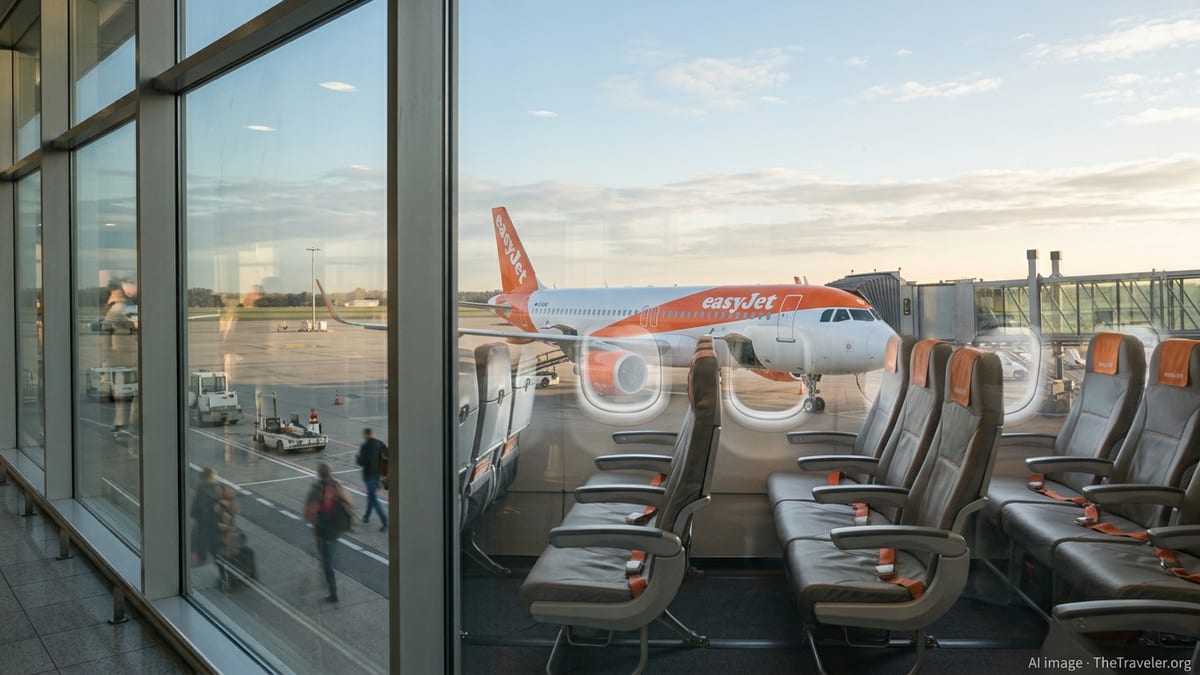
easyJet is moving to a new generation of ultra-lightweight Mirus Kestrel seats across its future Airbus A320neo and A321neo fleet, a cabin upgrade designed to cut fuel consumption and emissions while offering passengers noticeably more legroom without reducing seat count.
Get the latest news straight to your inbox!
A lightweight seat strategy for a high-density fleet
Publicly available information indicates that the Kestrel seat, developed by UK-based Mirus Aircraft Seating, has been selected for installation on hundreds of easyJet’s future single-aisle aircraft from the late 2020s. The decision aligns with the airline’s long-running focus on incremental efficiency gains across its large, high-density Airbus fleet.
Mirus markets Kestrel as an ultra-lightweight, fixed-recline economy seat weighing from around 6.9 kilograms per passenger in a typical airline configuration. Compared with many existing short-haul economy seats, that represents a double-digit percentage reduction in weight per seat, a factor that can translate directly into lower fuel burn over thousands of flights.
Industry coverage of the announcement notes that the seats will be installed on new A320neo and A321neo deliveries rather than retrofitted across the existing fleet. This approach allows easyJet to combine the fuel-efficient neo airframes with lighter cabin equipment, stacking multiple small savings that collectively support its emissions reduction targets.
The airline operates some of the densest configurations in Europe, particularly on the A321neo, so any change to seating must preserve overall capacity. The Kestrel seat has been designed specifically for this high-density single-aisle market, with a compact structure that maintains existing pitch while rebalancing space to improve passenger comfort.
How slimmer seats add legroom without losing rows
According to published coverage of the deal, easyJet expects the Kestrel seats to provide extra legroom even though the number of seat rows and the basic pitch remain unchanged. The key lies in the slimline engineering of the seatback and the way the seating position is angled.
Mirus technical material explains that Kestrel uses a thin, sculpted backrest and positions the hips and spine slightly farther rearward relative to the seat structure. This geometry increases what designers refer to as “living space,” particularly around the knees, even at tight pitches common to low-cost carriers. A fixed pre-recline of about 22 degrees is intended to improve posture and comfort while avoiding the complexity and space penalty of traditional recline mechanisms.
Reports also highlight the use of carbon fibre and other lightweight materials in the seatback and supporting structure. These enable a slimmer profile without sacrificing the stiffness required to meet certification standards for crashworthiness and head injury criteria. For airlines, that combination of strength and slimness is central to the promise of more legroom without surrendering capacity.
For passengers, the change is expected to be most noticeable around the knees and shins rather than in an increase in absolute pitch. The overall space envelope per traveller remains constrained by the cabin layout, but the redistribution of volume away from the seatback structure and into the passenger’s personal space is designed to make the environment feel less cramped.
Emissions reductions through cabin weight savings
EasyJet and Mirus are framing the new seating as both a comfort upgrade and a sustainability measure. Industry reports on the announcement suggest that the lighter seats will shave roughly 500 kilograms from the weight of a typical aircraft once a full shipset is installed, depending on configuration and options.
On busy short-haul networks, where aircraft can operate multiple sectors per day, that weight reduction is expected to produce tangible fuel savings. Estimates cited in recent coverage point to annual fuel savings across the future fleet on the order of tens of thousands of tonnes, resulting in a significant cut in carbon dioxide emissions when the programme is fully rolled out.
The Kestrel seat’s low part count and emphasis on durability are also presented as environmental advantages. Fewer components can mean reduced maintenance requirements, lower demand for spare parts over the life of the seat, and less waste material when components are replaced. Mirus has promoted the seat as a more sustainable choice across its life cycle, factoring in manufacturing, in-service performance and end-of-life considerations.
The seats were developed and tested at Mirus’s in-house M-TEST facility in the United Kingdom, one of the largest dedicated aircraft seat testing centres. Using an internal test centre is described by the company as a way to accelerate development while reducing the emissions associated with transporting seats to third-party facilities for certification work.
Certification, catalogue status and rollout timeline
Kestrel has been progressing steadily through key commercial milestones over the last two years. The seat obtained technical standard order certification from the UK Civil Aviation Authority in 2024, clearing the way for installations on commercial aircraft that meet stringent safety requirements.
Following certification, Kestrel was added as a selectable option in the Airbus A320 family buyer-furnished equipment catalogue as a future product. That catalogue status signalled to airlines that the seat was ready for consideration on new-build aircraft, particularly those in the A320neo family where every kilogram of cabin weight is closely scrutinised.
In the case of easyJet, published reports indicate that the new seats will begin appearing on deliveries from 2028, initially focused on future A320neo and A321neo aircraft. The long lead time reflects the complexity of aircraft interiors planning, where seat selection must be locked in well before production, and where new products are phased in gradually alongside existing cabin layouts.
Industry observers note that early adoption of a new seat type can also position an airline to benefit from subsequent design refinements and options, such as updated power outlets or minor comfort enhancements, during the production run. For suppliers like Mirus, securing a large launch customer provides volume that supports further investment in design and manufacturing capacity.
What passengers can expect on board
For travellers, the most visible changes will be the look and feel of the new seat and the perception of space at knee level. Imagery released by Mirus and coverage of aircraft interiors events show Kestrel with a clean, minimal aesthetic, featuring slim seatbacks, integrated literature pockets and options for USB power at each seat.
The fixed recline angle is likely to influence the onboard experience as well. While some passengers may miss the ability to adjust recline, fixed-back seats are increasingly common on short-haul routes, where flights are usually under three hours. The design focus shifts to achieving a comfortable default posture, adequate cushioning and good support around the lower back and thighs.
Because easyJet does not plan to remove rows to create legroom, overall cabin density is expected to remain similar to today’s layouts, especially on the larger A321neo. However, the additional living space created by the slimmer structure is intended to make these high-density cabins feel more tolerable, particularly for taller passengers who currently find knee room tight on some routes.
As the first aircraft with Kestrel seats enter service later in the decade, customer reactions will provide a real-world test of whether the combination of extra legroom, weight savings and fixed recline strikes the right balance between comfort, cost and sustainability in Europe’s competitive short-haul market.