

More news on this day
EasyJet is urging travellers to bring forward flight bookings after a sharp jump in jet fuel prices linked to the Iran crisis, warning that continued volatility in global energy markets could translate into higher airfares and potential supply strains in the coming weeks.
Get the latest news straight to your inbox!
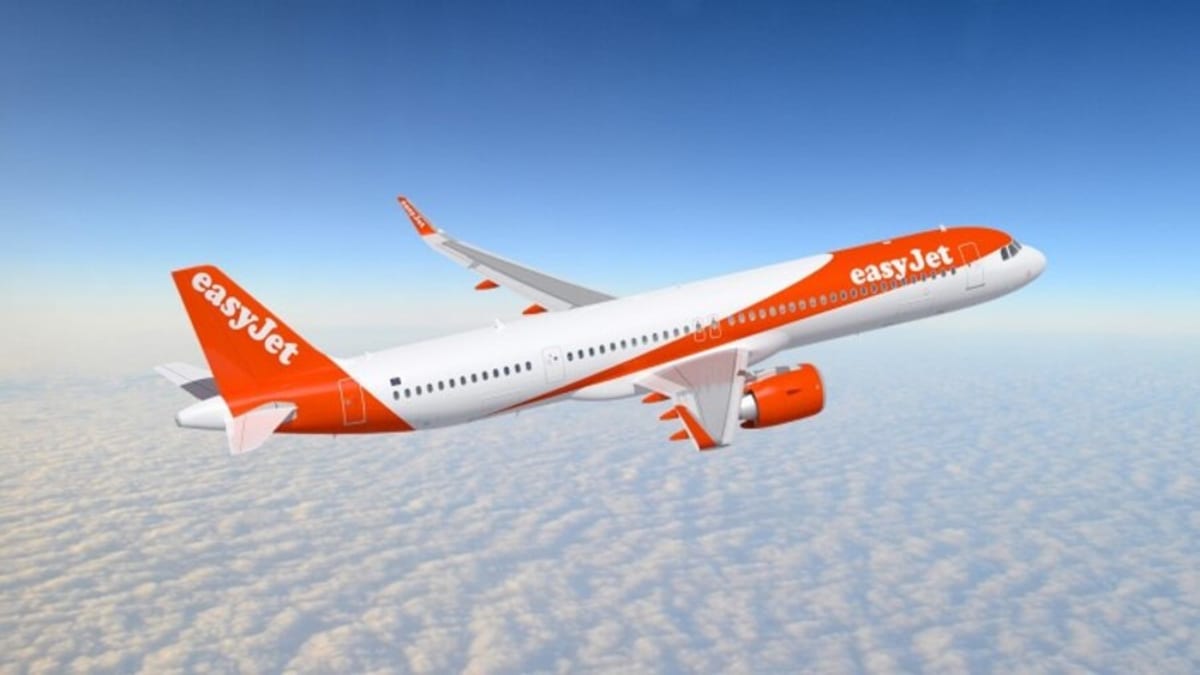
Image by Global Travel Alerts, Advisories, International Travel Alerts
Carrier Signals Rising Costs As Iran Conflict Disrupts Fuel Supply
The warning from Europe’s low cost giant comes as the war involving Iran continues to unsettle global oil flows, particularly through the Strait of Hormuz, a critical corridor for crude and refined products used in jet fuel. Publicly available data shows that the conflict and shipping disruptions have driven a rapid surge in aviation fuel prices, reviving concerns about supply security for airlines worldwide.
Industry analysis cited in recent coverage indicates that jet fuel prices have roughly doubled since the start of large scale hostilities, erasing billions of dollars from airline market valuations and pushing carriers to reassess their capacity and pricing plans for 2026. The International Air Transport Association has highlighted the spike in fuel as one of the most immediate financial pressures on global aviation, warning that sustained high costs could significantly erode profitability across the sector.
Reports focused on easyJet’s position note that the airline, like many of its peers, hedged a substantial portion of its fuel needs for the first half of the year, partially shielding it from the most abrupt price swings. However, fuel hedging provides only temporary protection. If elevated prices persist or if physical availability tightens, carriers ultimately face higher operating costs that are typically passed on to passengers through increased fares.
Analysts tracking the fallout from the Iran conflict emphasize that the situation remains fluid. A combination of disrupted tanker routes, higher insurance and shipping costs, and targeted strikes on energy infrastructure has contributed to what some observers describe as the most severe shock to oil markets in years. That backdrop is now feeding into airline fuel procurement strategies and ticket pricing decisions across Europe and beyond.
EasyJet Urges Early Bookings To Lock In Lower Fares
Against this environment, easyJet’s leadership has been highlighting the importance for customers of booking early, particularly for popular holiday periods. According to recent broadcast and financial media coverage, the airline expects ticket prices to rise as it renews fuel purchases at higher market rates, and it is advising travellers that current fares may not be available later in the season if jet fuel remains expensive.
Reports indicate that the airline is already seeing strong demand for summer travel, especially on leisure routes into the Mediterranean, at the same time as operational costs climb. Encouraging customers to secure flights sooner serves a dual purpose: it offers travellers a chance to lock in lower prices and provides the carrier with greater visibility over demand levels and revenue, which can help offset rising fuel expenditure.
Recent commentary in European business media notes that easyJet has not announced across the board surcharges but is instead signalling that future fare adjustments are likely as market conditions evolve. Some routes and travel dates are expected to see steeper increases than others, depending on competitive dynamics, aircraft utilisation and the extent of fuel cost pass through required to maintain viable margins.
Travel industry observers suggest that passengers with flexible plans might benefit from monitoring routes where competition remains intense, as rival carriers may be slower to raise prices. Nonetheless, the broader trend points toward more expensive air travel if energy markets stay constrained by the Iran crisis and related shipping risks.
Jet Fuel Shortage Fears Add To Aviation Uncertainty
Beyond immediate price spikes, concerns are mounting about potential jet fuel shortages if the conflict and shipping disruption persist. Specialist aviation and energy reporting has highlighted warnings from airline executives and market analysts that inventories in some regions could come under pressure within weeks without more stable flows from the Middle East.
Recent assessments of the global aviation market describe how rapid increases in jet fuel premiums and so called cracks over crude reflect not only higher prices but also fears of physical tightness. In several countries, governments have been reviewing fuel reserve policies to strengthen resilience, while airlines explore options for diversifying supply and adjusting refuelling patterns where possible.
Coverage of easyJet’s situation notes that the carrier currently has assured fuel delivery only over a relatively short horizon, underscoring the commercial and operational challenges posed by an unpredictable supply chain. While no widespread shortages have yet been reported at major European hubs, industry commentary stresses that the balance could shift quickly if the conflict widens or if further infrastructure is damaged.
Other airlines have already begun to respond to the fuel shock. Reports from North America describe major carriers trimming capacity on selected routes and reviewing growth plans in response to higher costs. In Europe, some regional airlines are introducing modest fare hikes or fuel surcharges on new bookings, pointing to the Iran crisis and associated shipping constraints as the primary driver.
Tourism Hotspots Face Higher Prices And Changing Demand
The pressures on fuel supply and pricing are emerging just as European tourism destinations prepare for the peak summer season. Travel industry coverage focused on Greece and Cyprus notes a rise in booking cancellations and weaker demand from key markets, with the Iran conflict cited among the reasons for increased uncertainty and nervousness among holidaymakers.
At the same time, reports indicate a shift in demand patterns rather than a uniform decline. Some travellers are choosing destinations further from the eastern Mediterranean, favouring Spain and other parts of western Europe perceived as less exposed to regional instability. EasyJet, which has a substantial network across both regions, is likely to adjust capacity and pricing in line with these trends as the season approaches.
Higher airfares linked to fuel costs could also influence consumer behaviour. Analysts suggest that price sensitive travellers may shorten trips, opt for lower cost accommodation, or delay booking in the hope of last minute deals. However, if airlines follow through on guidance that prices will rise, late bookers may instead encounter fewer promotional fares and more dynamic pricing as remaining seats are sold.
Tourism boards and industry groups across Europe are monitoring developments closely, with some warning that a protracted fuel price shock could dampen the post pandemic recovery in international travel. For carriers such as easyJet that rely heavily on discretionary leisure spending, the balance between passing on costs and preserving demand has become a central strategic question for the months ahead.
What Travellers Should Consider Before Booking
For passengers planning trips in the coming months, publicly available guidance from travel analysts points to several factors to weigh as the Iran conflict affects aviation. Booking earlier than usual on preferred dates and routes is widely recommended as a way to reduce exposure to potential fare increases tied to fuel costs.
Travellers are also being encouraged, in media coverage and consumer advice columns, to pay close attention to fare conditions, including change fees and flexibility options. With energy markets and geopolitics both volatile, itineraries may be subject to schedule adjustments or aircraft changes. Choosing tickets that allow modifications at reasonable cost can provide additional security if circumstances shift.
Another consideration is the timing of travel insurance purchases and the scope of coverage. While policies vary, some products may offer limited protection against disruptions related to conflict or indirect effects such as fuel driven schedule changes. Comparing terms carefully can help travellers understand where they may be exposed and where additional protection might be worthwhile.
Ultimately, the advisory tone adopted by easyJet reflects a broader message across the airline industry. As the Iran crisis continues to reverberate through global fuel markets, passengers are likely to face a period of higher prices and greater uncertainty. Acting sooner on travel plans, and remaining informed about evolving conditions, may help mitigate the impact of these rapid changes on individual budgets and itineraries.