

More news on this day
EasyJet is urging customers to lock in tickets early as the Iran crisis sends jet fuel prices sharply higher and fuels concerns over potential supply tightness, raising the prospect of more expensive flights across Europe ahead of the busy summer season.
Get the latest news straight to your inbox!
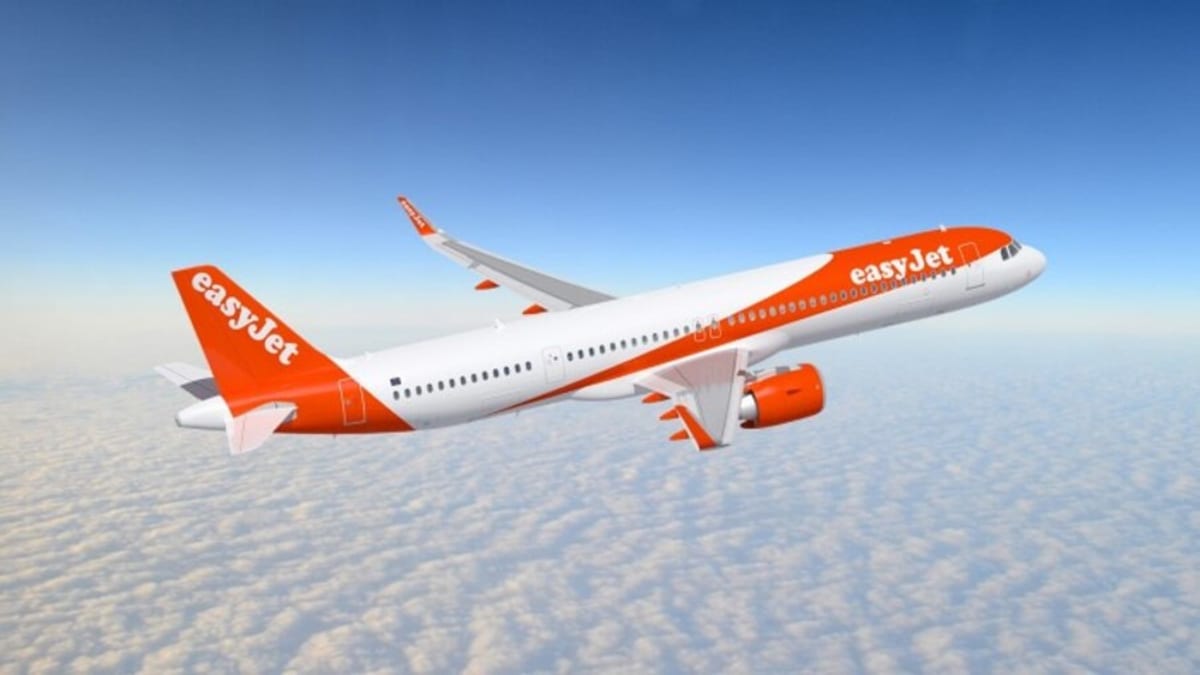
Image by Latest International / Global Travel News, Breaking World Travel News
Iran Conflict Pushes Up Oil and Jet Fuel Prices
The conflict involving Iran has roiled global energy markets, with oil benchmarks climbing well above prewar levels as tanker traffic through key maritime chokepoints has been disrupted. Analysts note that the Strait of Hormuz and Red Sea routes are central to global flows of crude and refined products, including aviation kerosene, leaving airlines particularly exposed to price swings.
Recent assessments of the Iran war’s economic impact indicate that prices for kerosene-based fuels such as diesel and jet fuel have more than doubled compared with levels before the escalation, as refineries struggle to replace certain grades of crude. Industry reports highlight mounting volatility in the European jet fuel market, where traders describe difficulty agreeing on clear price levels amid rapidly shifting paper and physical markets.
Infrastructure and risk consultancies tracking global aviation disruptions state that elevated jet fuel prices are already feeding into higher operating costs for airlines in Europe, the Middle East and Asia. These studies suggest that as long as shipping constraints and geopolitical uncertainty persist, airlines are likely to face sustained pressure on fuel bills, with limited scope to fully offset the increases through efficiency measures alone.
The International Air Transport Association and regional aviation bodies have previously warned that fuel typically accounts for up to a quarter of an airline’s operating expenses. With the Iran conflict driving crude prices above 100 dollars per barrel and squeezing supplies of refined products, this share is rising, forcing carriers to reconsider network plans and pricing strategies.
EasyJet Moves To Protect Margins Through Higher Fares
Against this backdrop, EasyJet has begun flagging higher costs to investors and travellers, pointing to the Iran-related energy shock as a key driver. According to recent financial commentary and European business press coverage, the low cost carrier has indicated that summer fares will need to rise to reflect the sharp jump in jet fuel prices, alongside broader inflation in airport fees and supplier contracts.
EasyJet, which operates one of Europe’s largest short haul networks, is especially exposed to fuel market turbulence because of its dense schedule and high aircraft utilisation. While the airline employs hedging strategies to smooth short term price spikes, publicly available analysis suggests that the speed and scale of the recent increase in fuel costs have outpaced earlier assumptions, limiting the protection that existing hedges can provide for the peak 2026 travel season.
Reports in European media also describe EasyJet’s parallel push to improve long term fuel efficiency as a structural response to the crisis. The company has announced the introduction of new ultralight seats on future Airbus A320neo and A321neo aircraft, expected to reduce aircraft weight and lower fuel burn once they enter service later this decade. However, these savings will not materially offset the immediate cost surge tied to the Iran conflict.
In the near term, analysts following the airline sector say the clearest lever for EasyJet and its peers is pricing. With demand for European leisure travel still resilient despite economic headwinds, carriers are expected to test how far they can pass higher fuel costs on to passengers without materially dampening bookings.
Warnings of Tight Jet Fuel Supply and Regional Disruption
While much of the focus has been on price, recent energy market commentary has also raised the risk of physical jet fuel shortages in certain regions. Research on the economic impact of the Iran war notes that Europe has lost a significant volume of refined fuel supply from global markets, including jet fuel, as trade routes are reshaped and exporters prioritise domestic needs.
Some major energy companies have warned that, absent a rapid easing of tensions or coordinated stock releases, Europe could face localised shortages of refined products from early spring. Security analyses and infrastructure situation reports highlight that jet fuel availability is particularly sensitive to disruptions in Gulf refining hubs and shipping lanes, given the limited spare capacity elsewhere.
Airlines in several parts of the world have already reacted to the combination of higher prices and constrained supply. Published coverage from Asia and the Middle East describes carriers trimming flight schedules, suspending selected routes and introducing fuel surcharges to conserve stocks and protect balance sheets. Travel and tourism outlets in the eastern Mediterranean, including Greece and Cyprus, report higher operating costs and weaker booking trends as uncertainty around air connectivity grows.
European aviation monitoring reports indicate that the jet fuel price shock is adding to existing pressures on the sector, including airspace restrictions around conflict zones and lingering supply chain issues. Industry observers caution that if supply tightness worsens, airports and airlines may need to implement additional rationing measures, potentially leading to last minute schedule changes for passengers.
Early Booking Advice as Airlines Reprice Summer Travel
In this context, EasyJet’s message to travellers is that booking earlier rather than later could help avoid steeper fares as the full effect of higher fuel costs works its way into ticket pricing. Consumer travel advisories circulating in the UK and wider European market reflect a growing expectation that peak season airfares will drift higher as airlines update their fuel surcharges and inventory strategies in the coming weeks.
Historical patterns show that when fuel prices spike rapidly, many airlines initially absorb part of the increase, particularly on routes where competition is intense. Over time, however, the need to protect margins typically leads to gradual fare adjustments, often concentrated in the most in demand travel windows such as school holidays and major events. Analysts assessing the current situation argue that the speed of the Iran related shock makes such pass through more likely and more visible to consumers.
Travel agencies and online booking platforms are also starting to flag shorter “Best Price” windows on popular routes, suggesting that attractive promotional fares may sell out earlier than in previous years. Publicly available booking data for European leisure travel points to solid demand for western Mediterranean destinations, while routes closer to the Middle East show softer trends amid security concerns, creating additional complexity in how airlines structure their pricing.
For passengers, the combination of higher underlying fuel costs and dynamic pricing algorithms means that waiting for last minute deals could be riskier than usual. Budget conscious travellers are being encouraged by consumer groups and travel media to lock in key trips early, consider flying midweek rather than at weekends, and be flexible on departure airports to mitigate the impact of rising fares.
What Travellers Should Watch In The Weeks Ahead
Looking ahead to spring and summer 2026, several indicators will be critical for travellers assessing potential cost and disruption risks. Market analysts are closely tracking movements in Brent crude and European jet fuel benchmarks, as well as any announcements on the release of strategic oil reserves by major consuming nations. A sustained retreat in energy prices could ease pressure on airline costs, while further escalation around Hormuz or additional shipping incidents could send them higher.
Passengers flying with EasyJet and other European carriers are also being advised to monitor schedule updates and fare trends, particularly on routes that rely heavily on airspace near the Middle East or refuelling stops in affected regions. Aviation intelligence providers have noted that airlines are adjusting capacity and routing as conditions evolve, which could lead to changes in flight times or frequencies even on established leisure corridors.
Regulatory and policy responses will play a role as well. European institutions and national governments are weighing measures to safeguard energy security, including potential tax adjustments, temporary support for critical transport links, or targeted interventions to stabilise fuel markets. Any shift in these areas could influence the trajectory of airfares and the resilience of airline networks over the remainder of the year.
For now, publicly available information paints a picture of an airline industry entering the main travel season under significant fuel related strain. EasyJet’s call for early bookings underscores how closely airlines and passengers are tied to developments in the Iran crisis, and how geopolitical shocks in energy markets can rapidly translate into higher costs for holidaymakers across Europe.